
Hand & Foot Implant Systems
Hand and foot implants are orthopaedic devices used in selected surgical procedures to stabilise bones. Plates and screws are among the fixation options, with implant selection depending on the anatomy, fracture pattern and requirements of the individual procedure. StahlmannPro’s Hand and Foot category helps healthcare professionals and procurement teams explore product specifications and identify the references needed for an informed enquiry.
Our featured 1.5mm Hand System includes titanium locking plates and self-tapping screws for the hand applications described in the product catalogue. Compare plate shapes, shaft and head hole configurations, right and left options, and screw lengths before reviewing individual product details. For foot implant enquiries, provide the anatomical location and required system so that the relevant product information can be confirmed.
Explore the 1.5mm Hand System
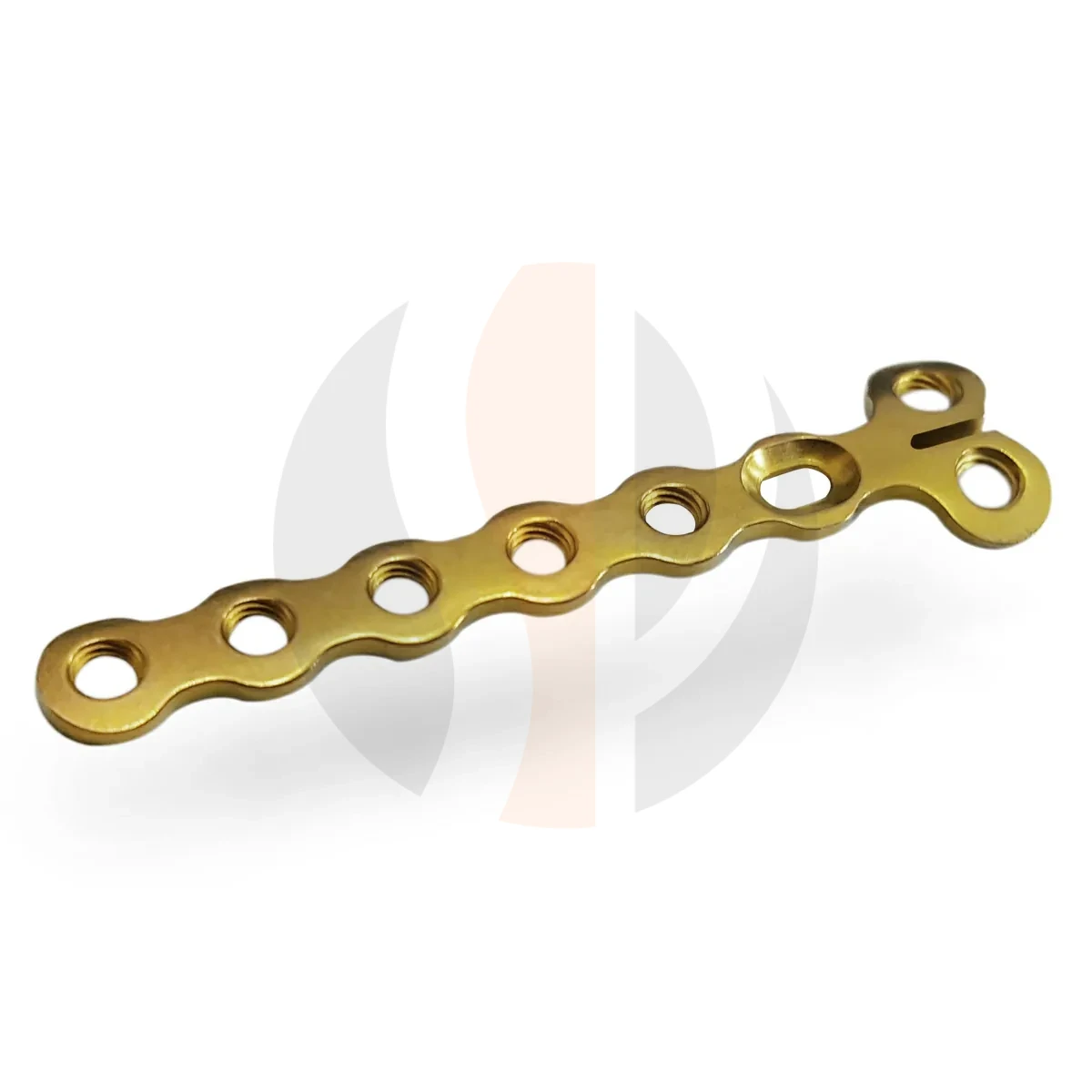
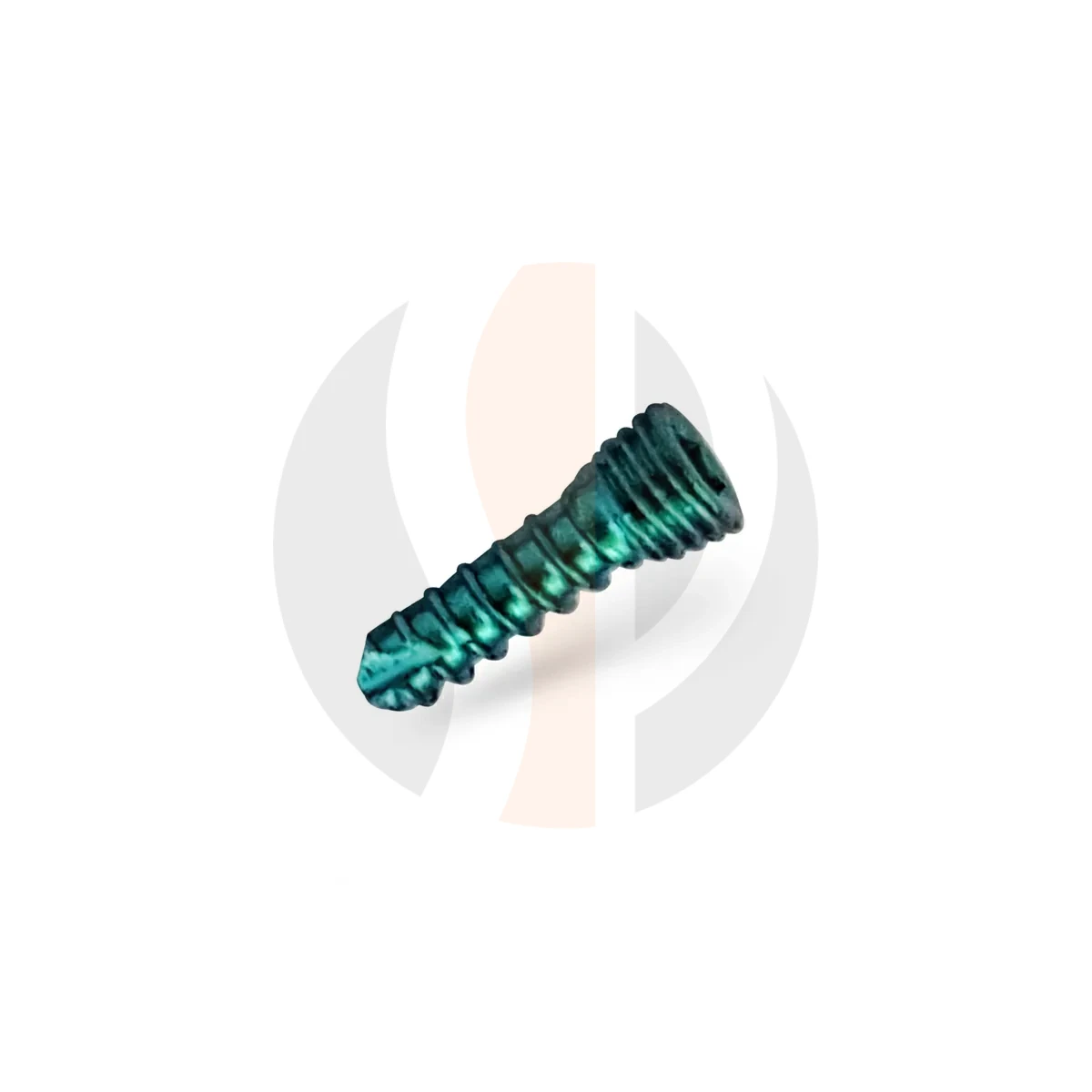
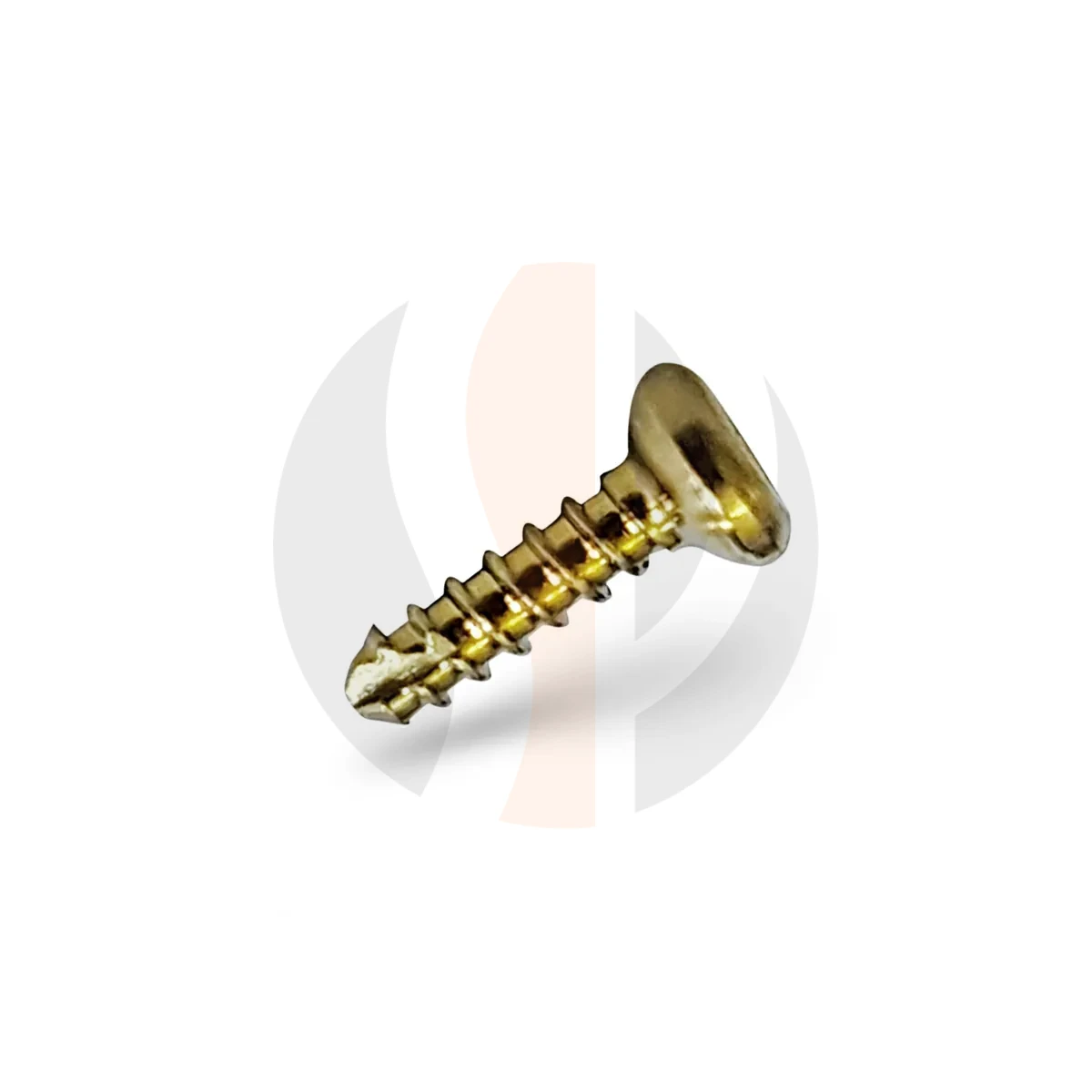
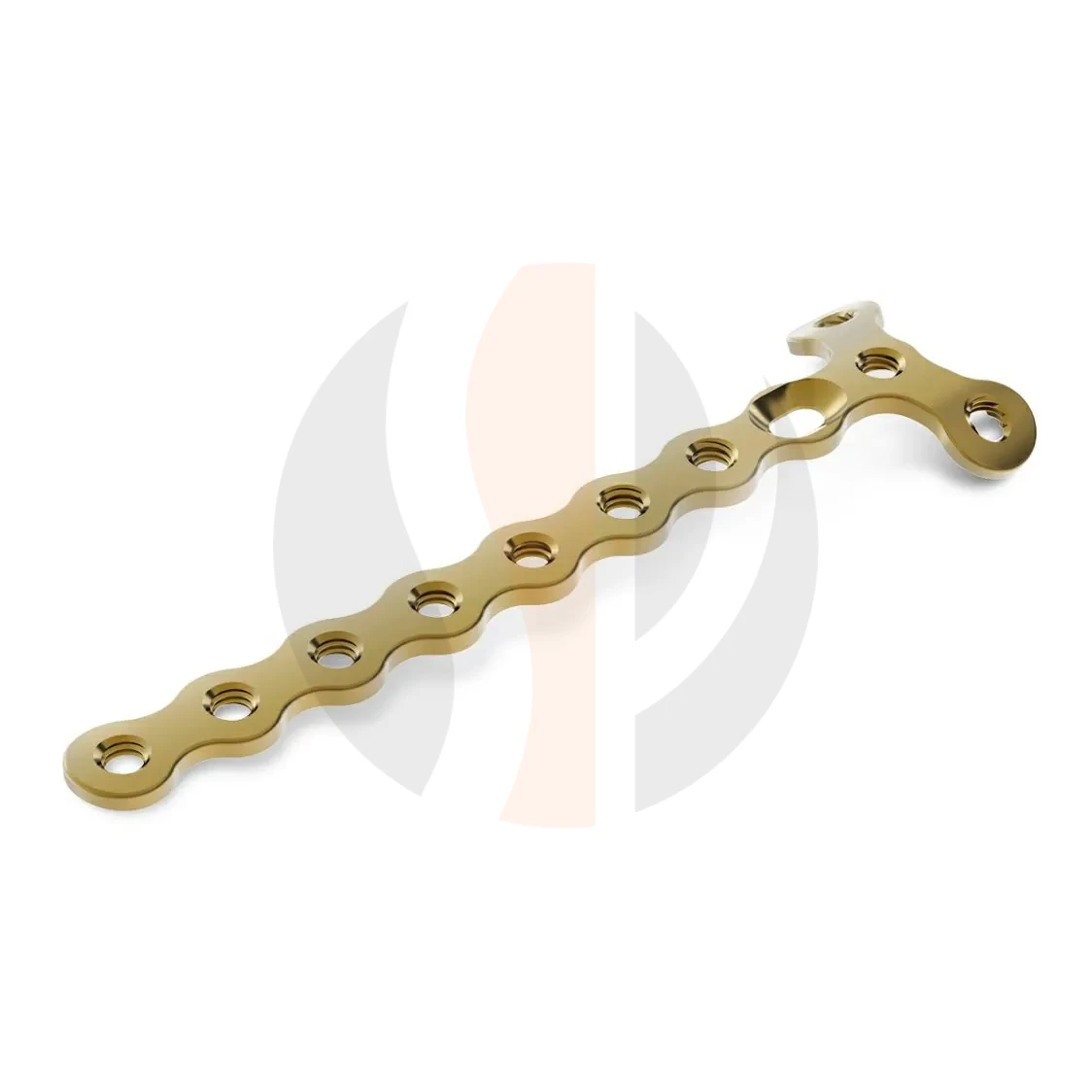
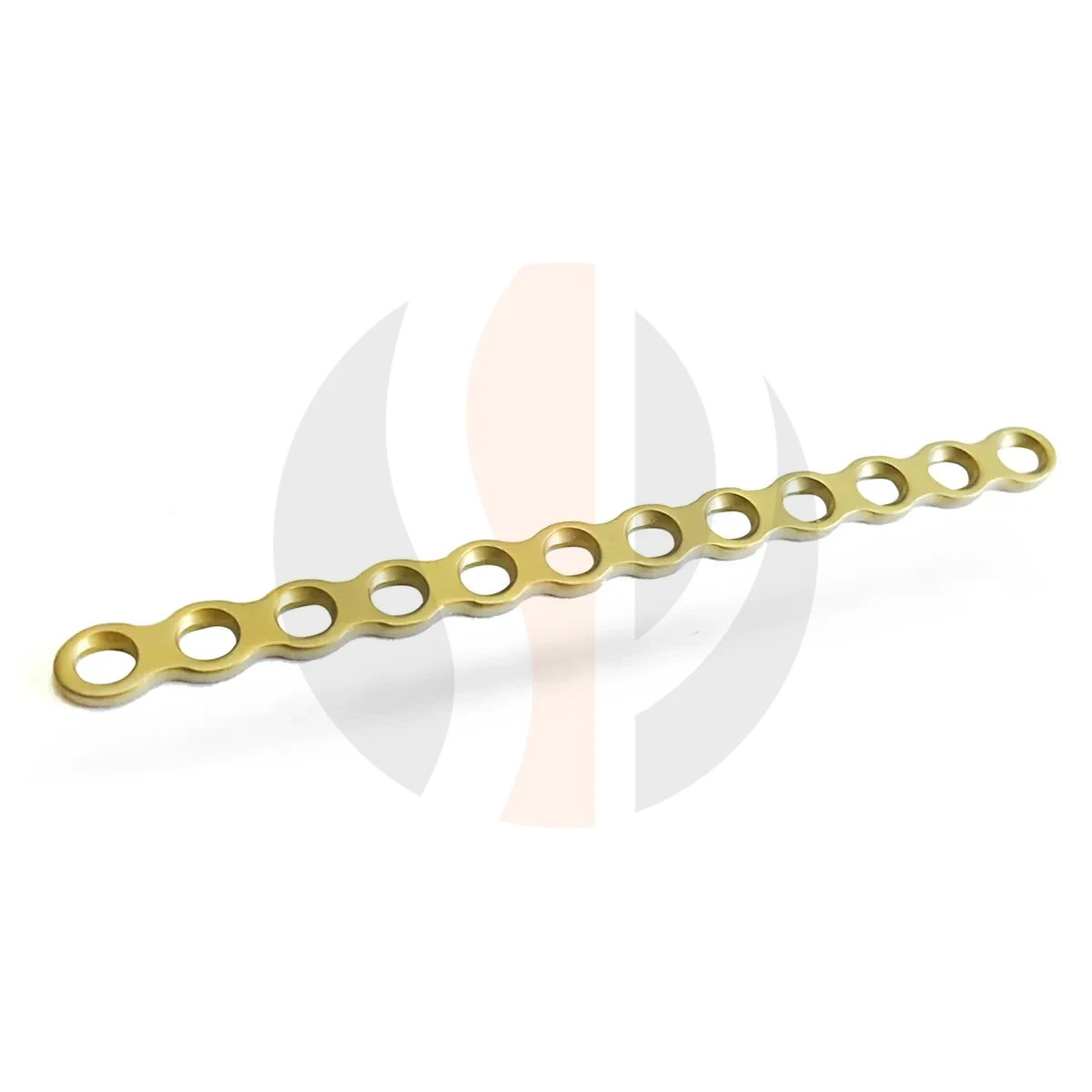
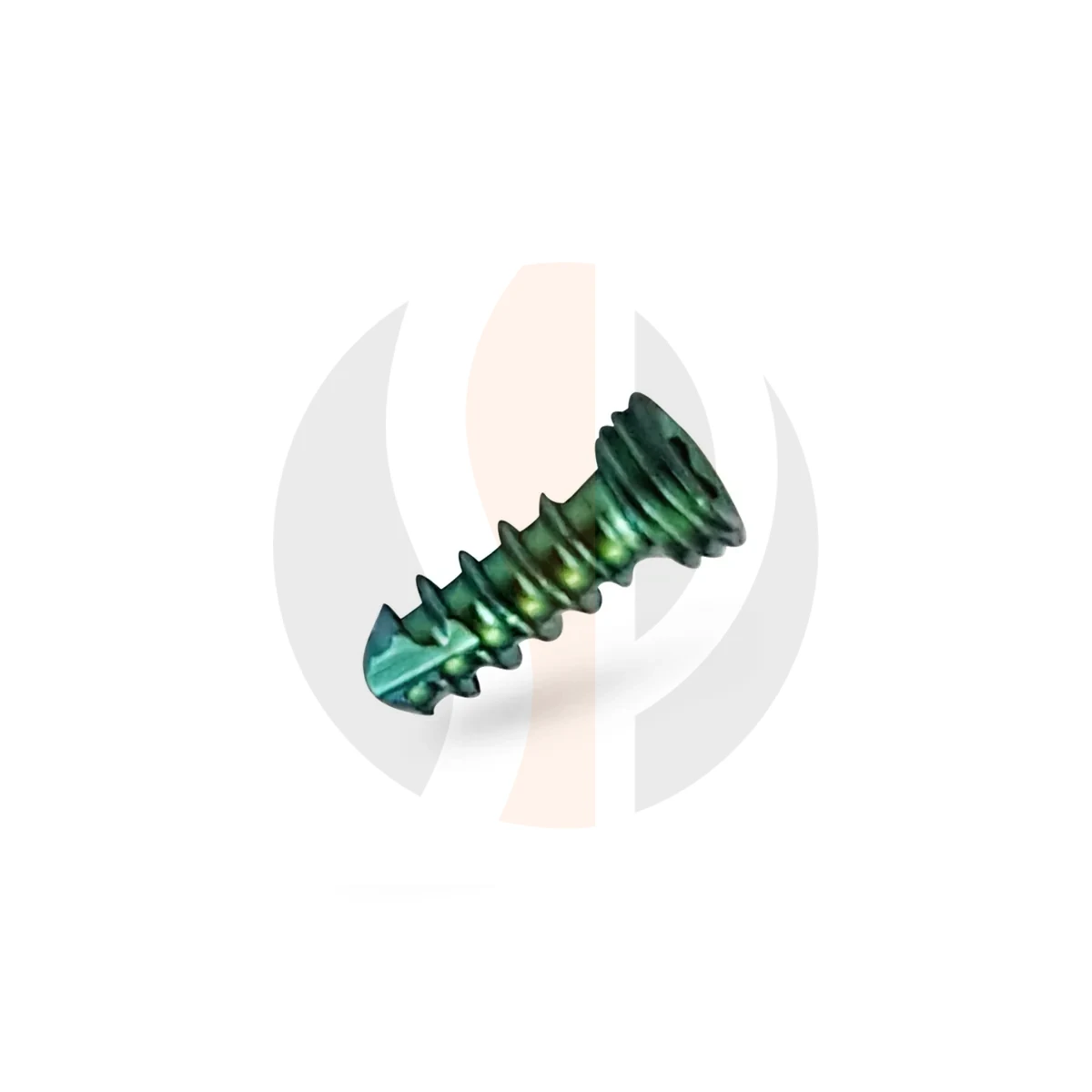
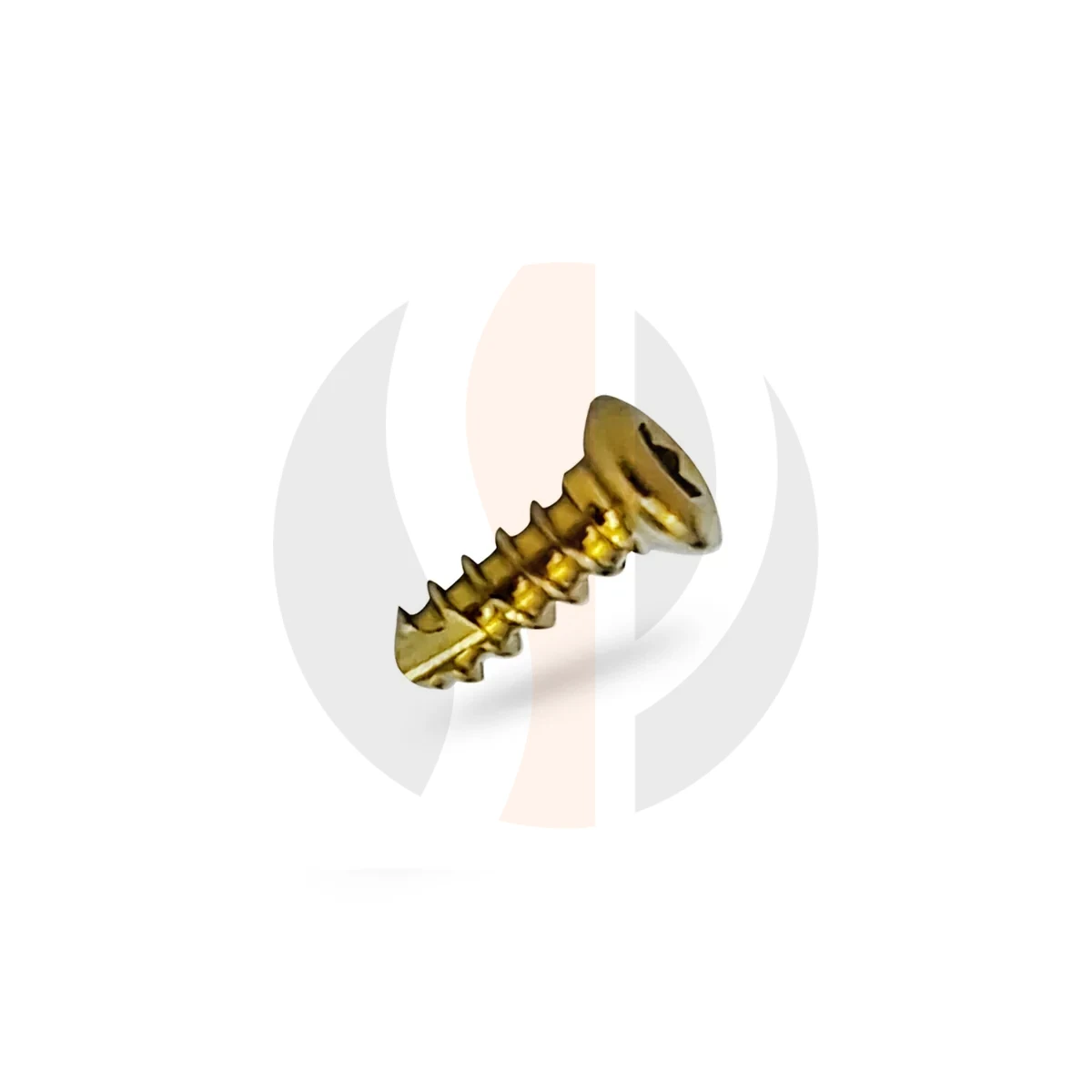
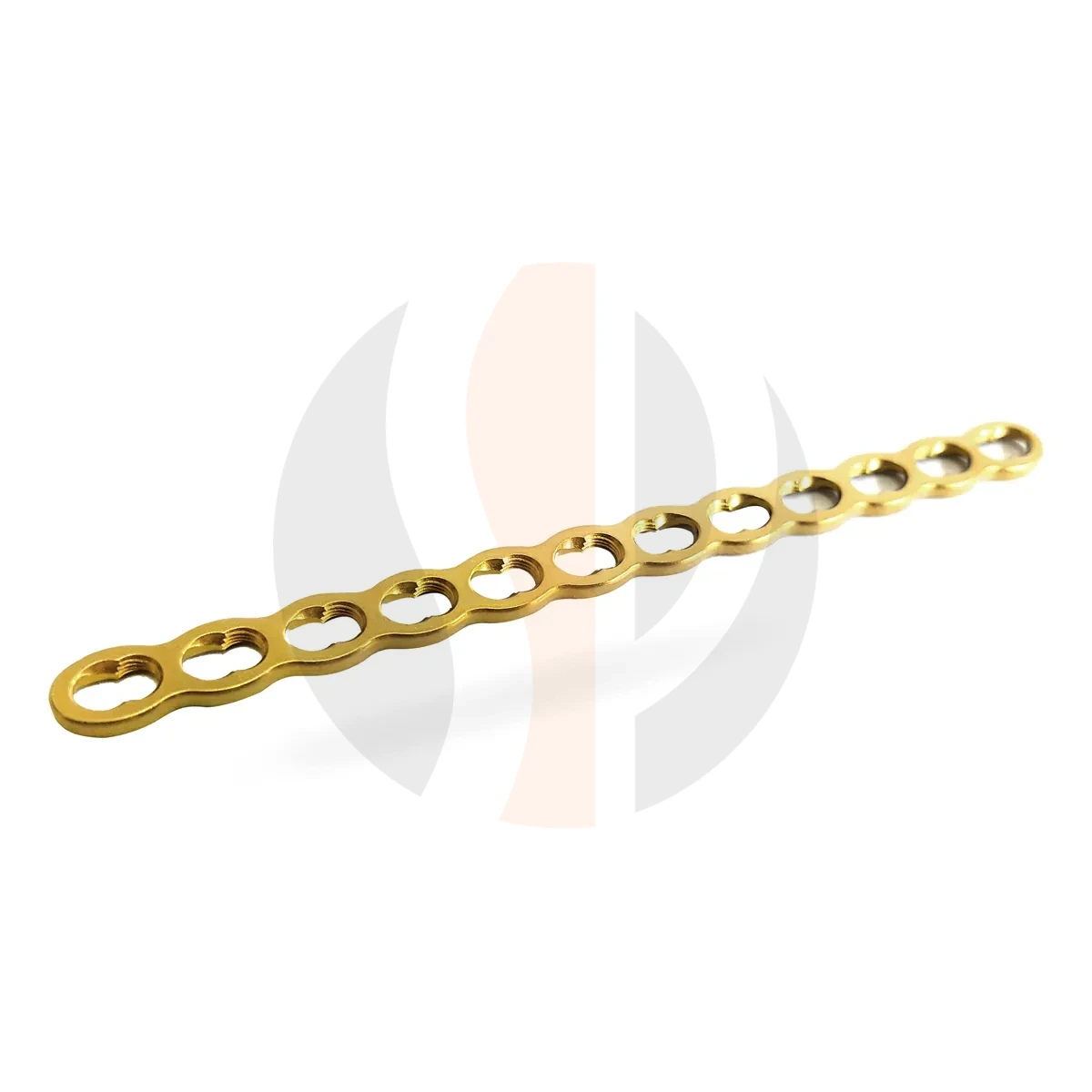
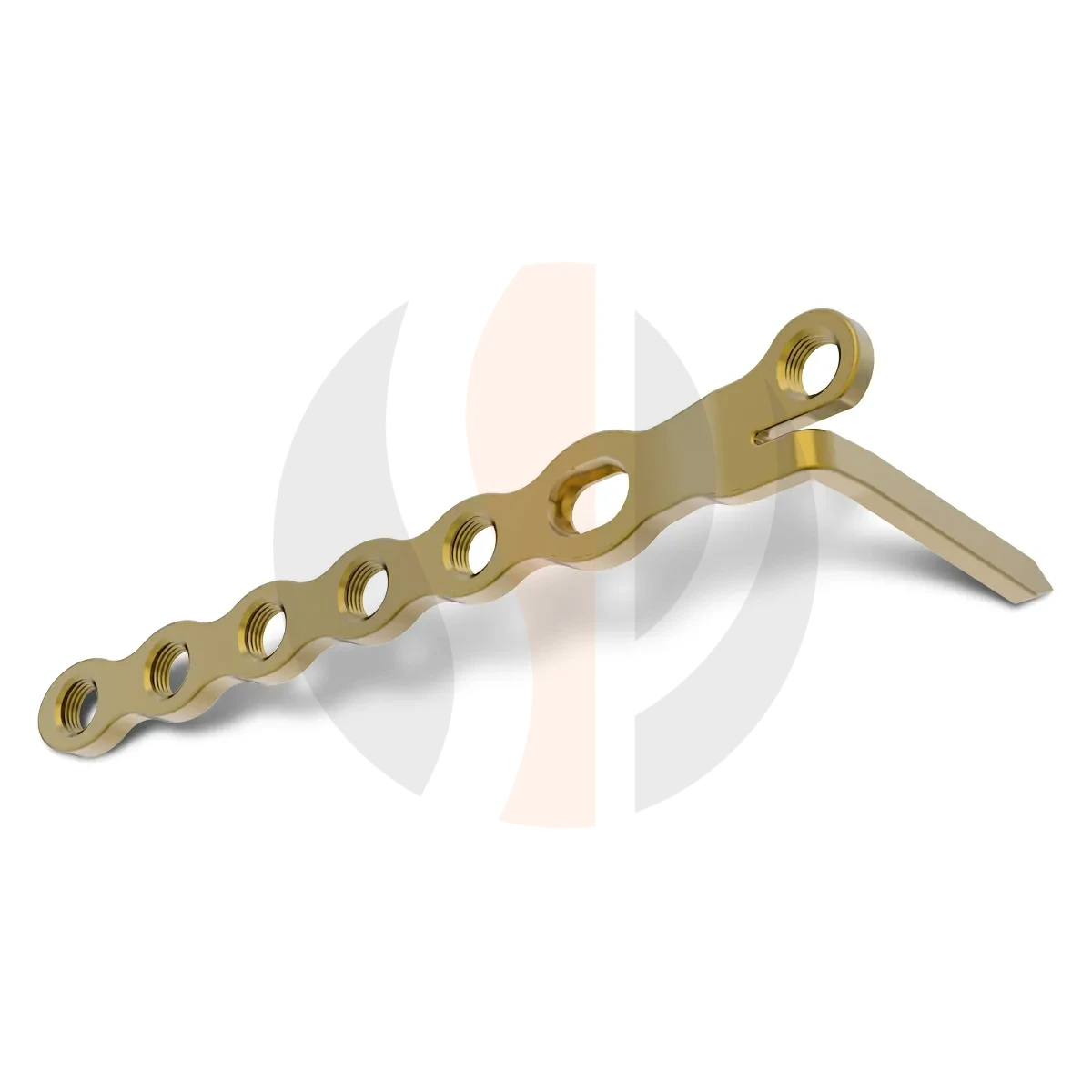
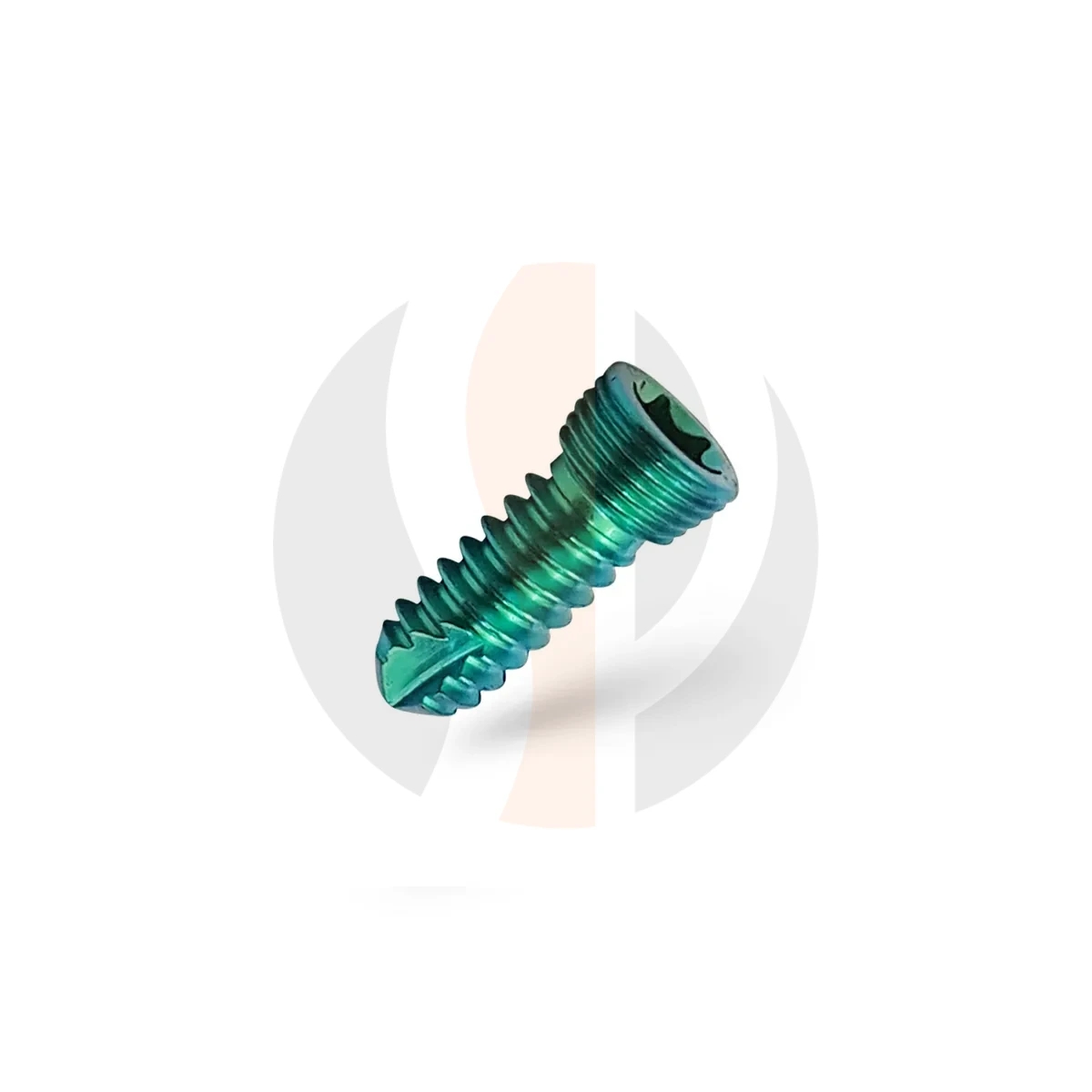
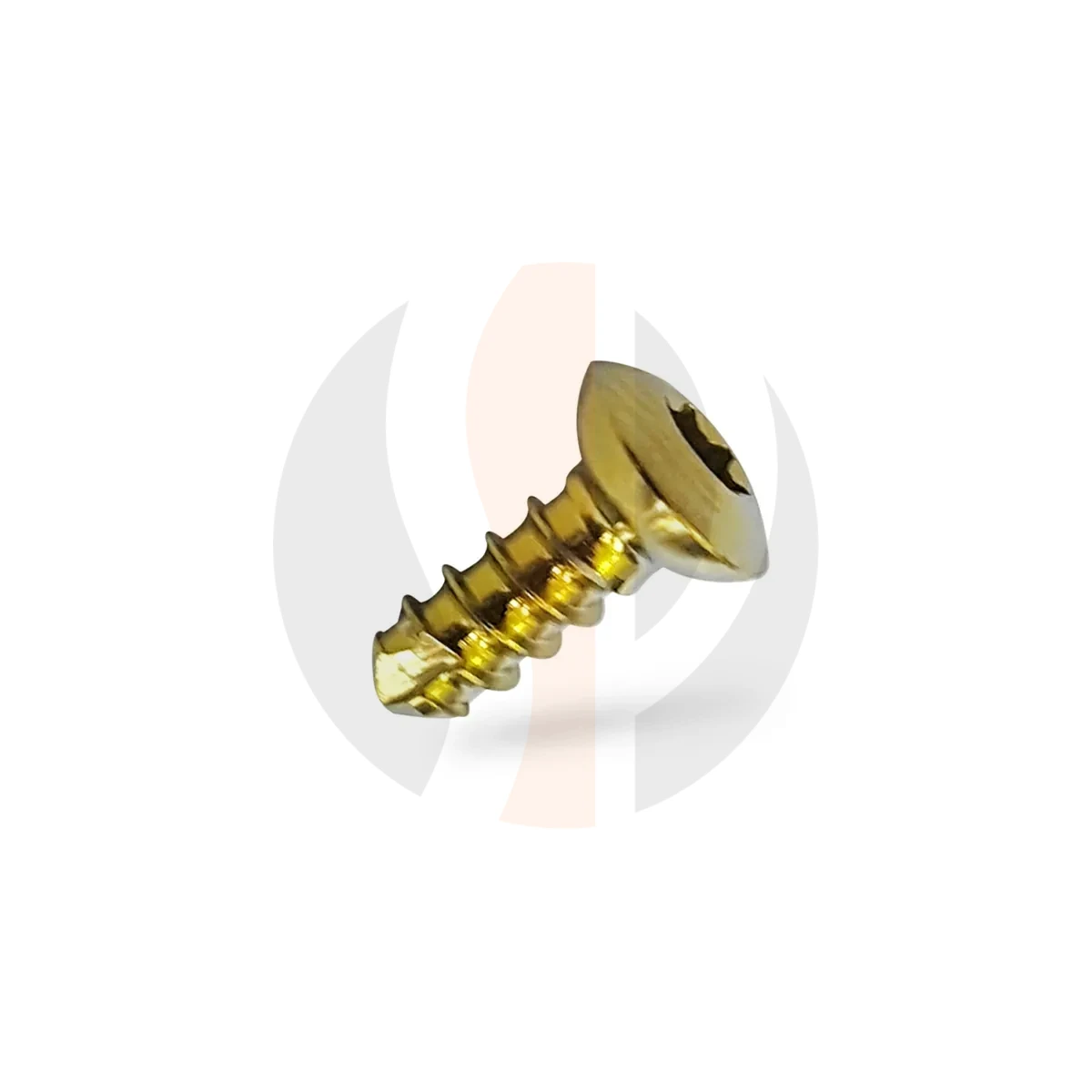
The 1.5mm Hand System brings together six plate designs and two screw families. Its plate range includes Strut, Adaption Y, Adaption T, Adaption Straight, Straight and Condylar Locking Plates. The screw range includes 1.5mm Locking Screws and 1.5mm Cortical Screws, both described as self-tapping with a star head.
Each product page provides a focused view of the available configurations. A plate name identifies the design, while its specification table identifies the actual size or version. This distinction matters when several products share the same screw diameter but differ in length, hole arrangement or intended application.
All six plate descriptions state compatibility with 1.5mm cortical and locking screws in their holes. This compatibility information applies to the listed system. Compatibility with another manufacturer’s implants or instruments must be confirmed separately, even when the nominal screw diameter appears identical.
Titanium Locking Plates for Hand Fracture Fixation
The hand contains metacarpals and phalanges, and the catalogue distinguishes between products listed for these anatomical areas. Some hand fractures require surgical stabilisation with fixation devices, while others can be managed without surgery. Product selection belongs to the treating surgical team and should follow the relevant device instructions.
Within this range, plate shape provides a useful starting point for browsing. A detailed comparison should then consider the specified application, number of holes, plate length and available side. A shape description alone does not establish that a plate is suitable for a particular fracture.
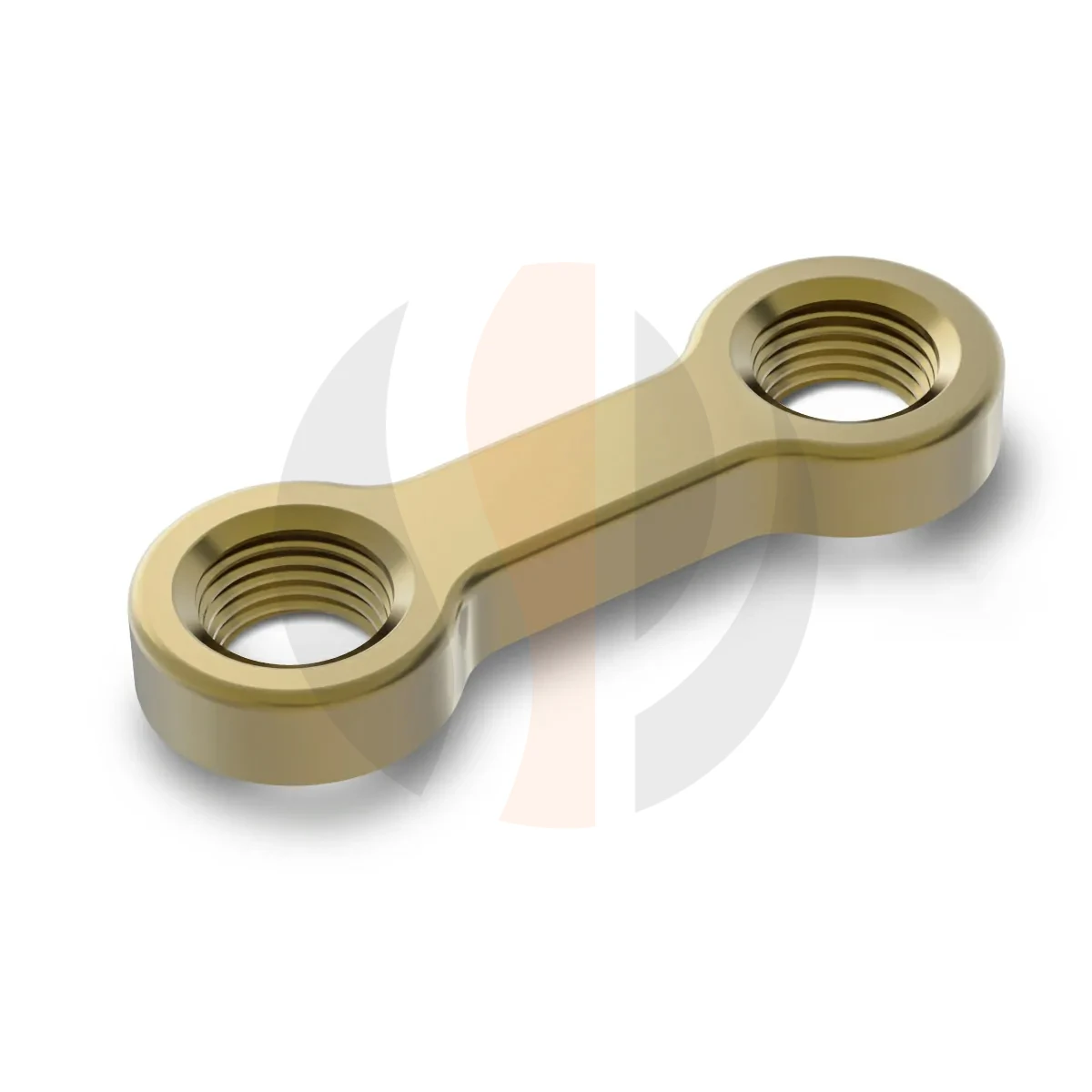
1.5mm Strut Locking Plate
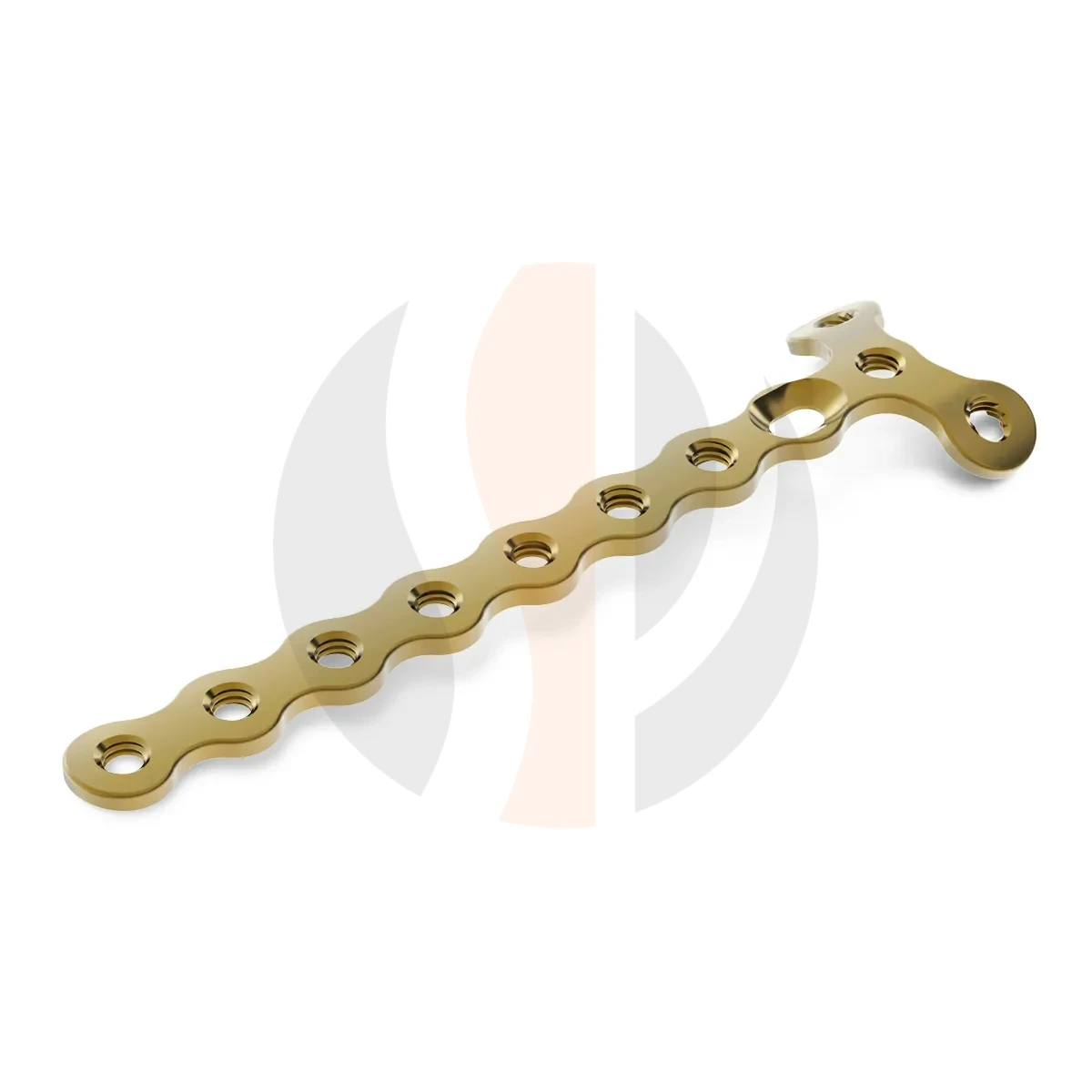
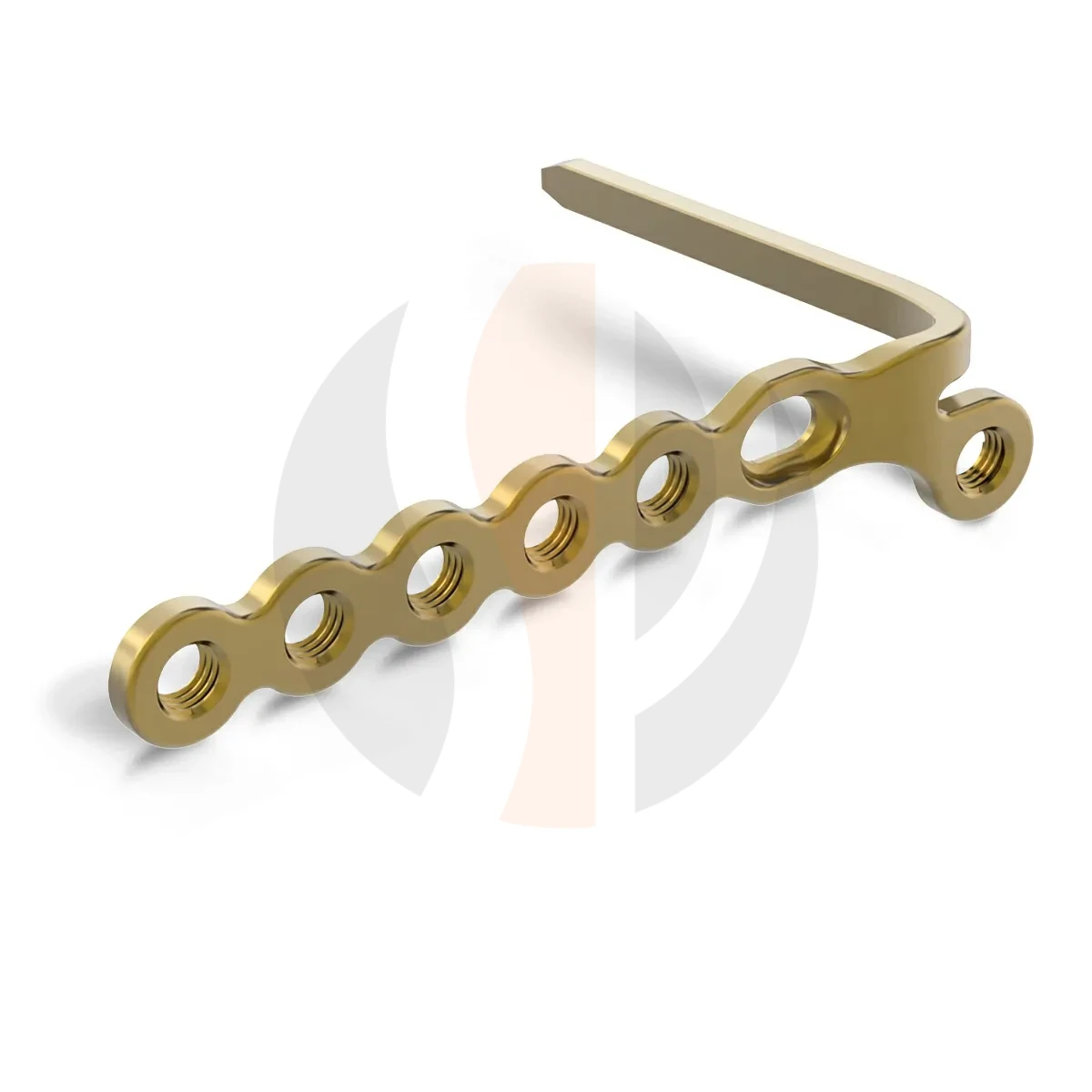
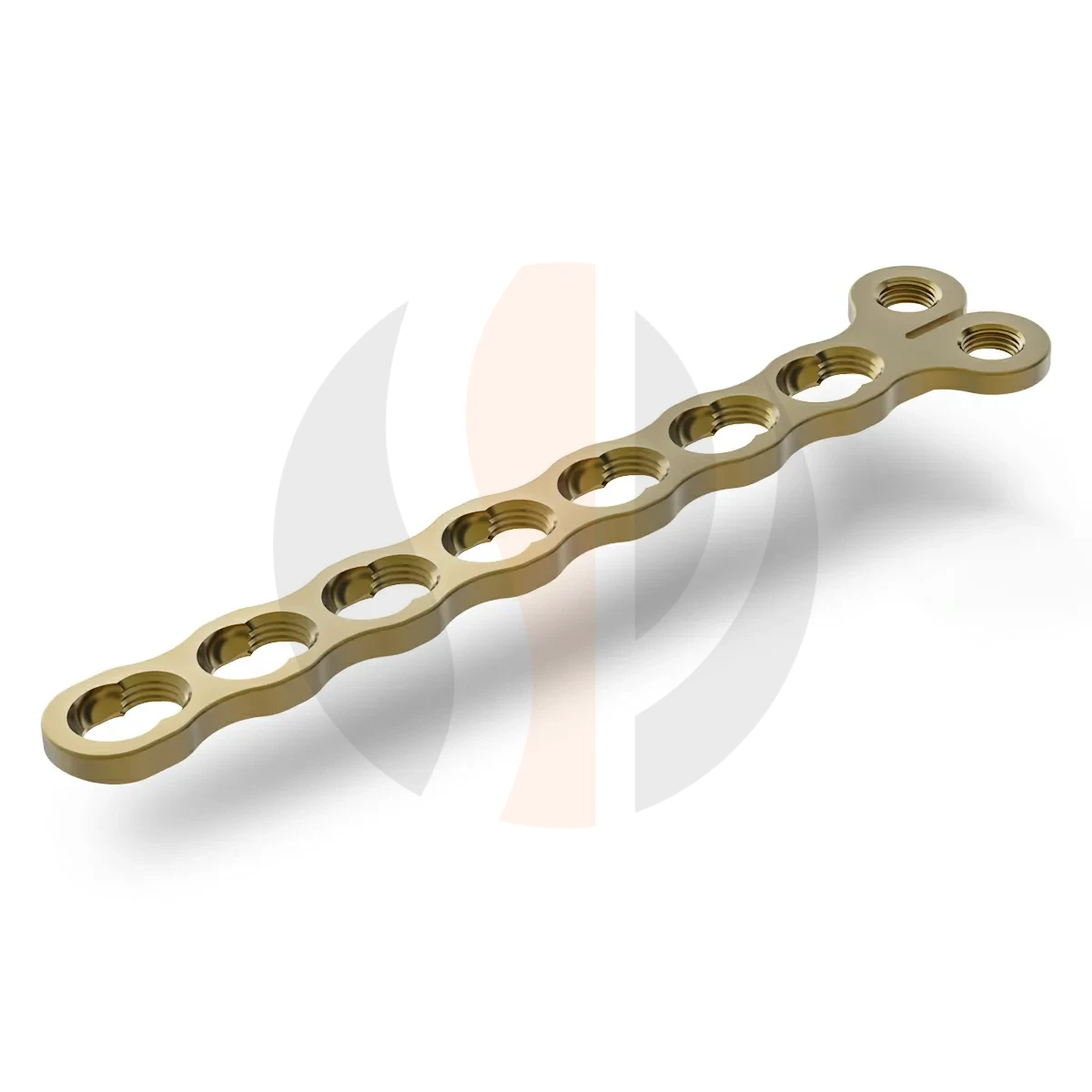
The 1.5mm Strut Locking Plate is a titanium plate listed for fixation of metacarpal and phalangeal fractures. It has 8 holes and measures 23 mm. Right and left versions are available, with separate catalogue references for each side.
For this model, laterality is the main distinction between the two listed options. Both share the same length and hole count. When requesting a quotation, include the required side as well as the product reference to identify the correct version.
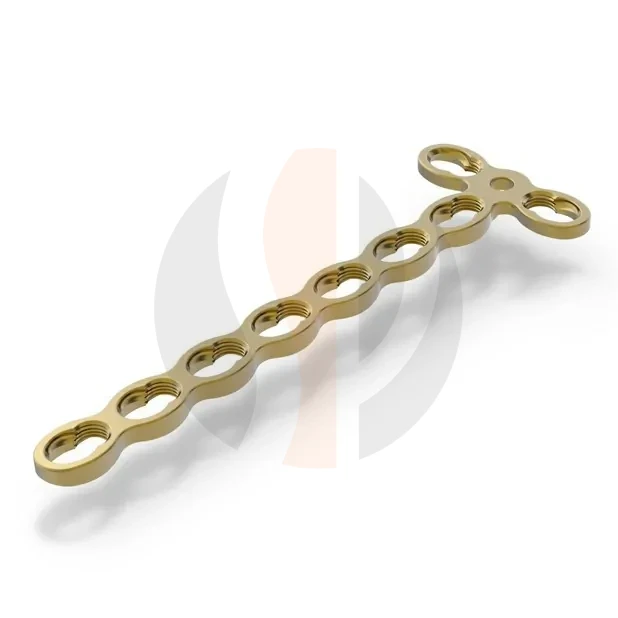
1.5mm Adaption Y Locking Plate
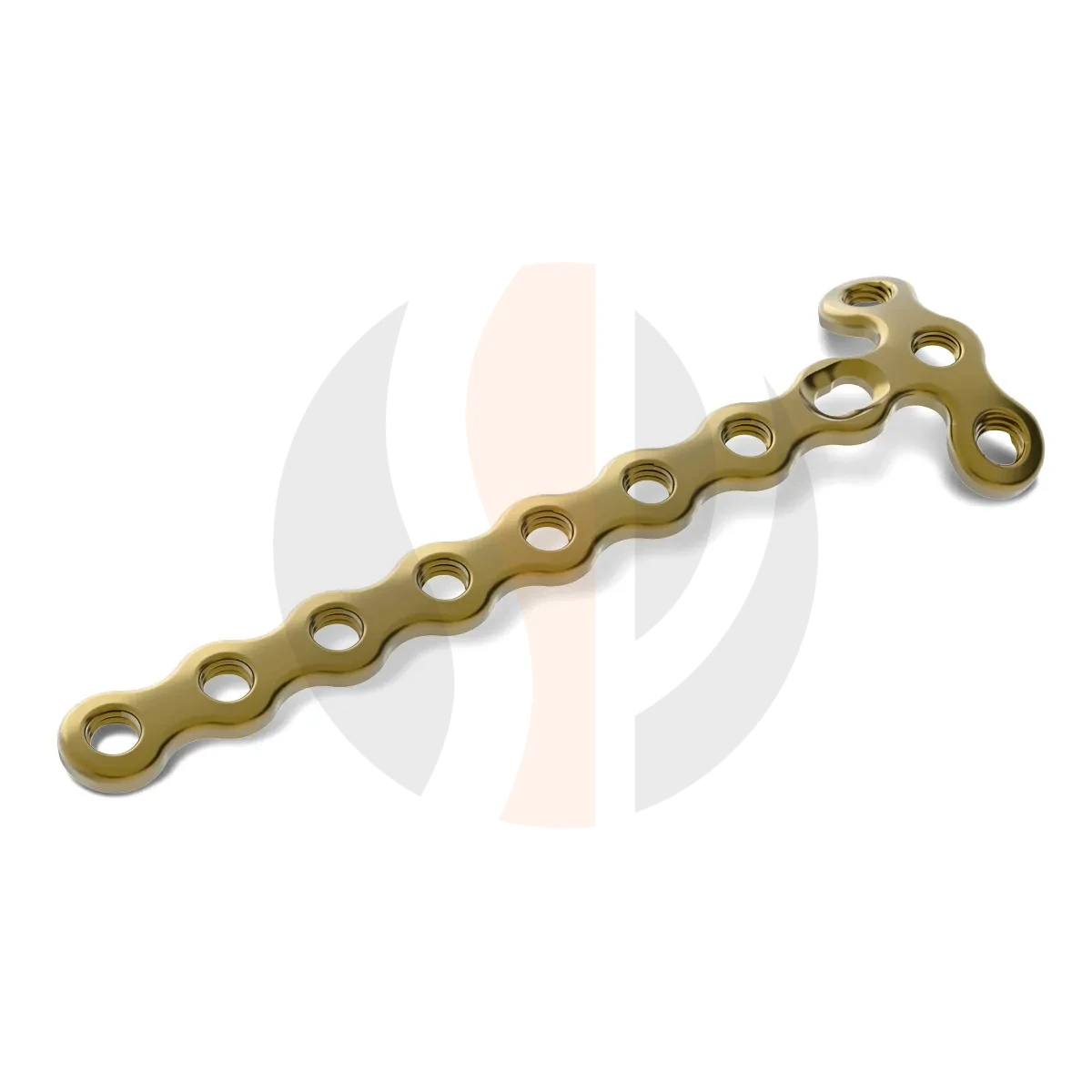
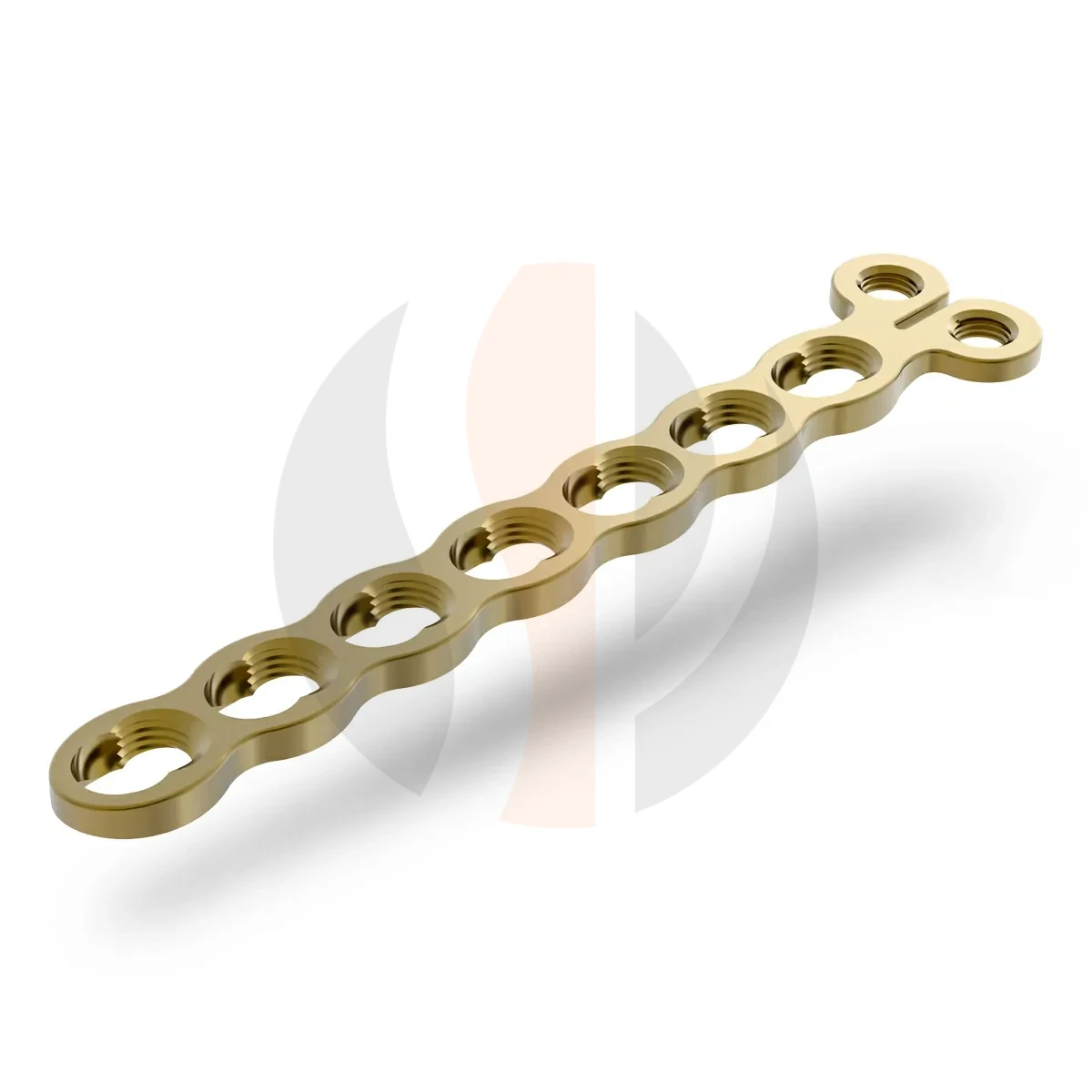
The 1.5mm Adaption Y Locking Plate has 8 shaft holes and 3 head holes. Its listed length is 47 mm, and its catalogue application is metacarpal fracture fixation. The plate is available in titanium and supports the specified 1.5mm cortical and locking screws.
This Y configuration has one size entry in the system catalogue. Keeping the shaft and head hole counts separate makes it easier to compare the design with the Adaption T and Condylar models, which use different head configurations.
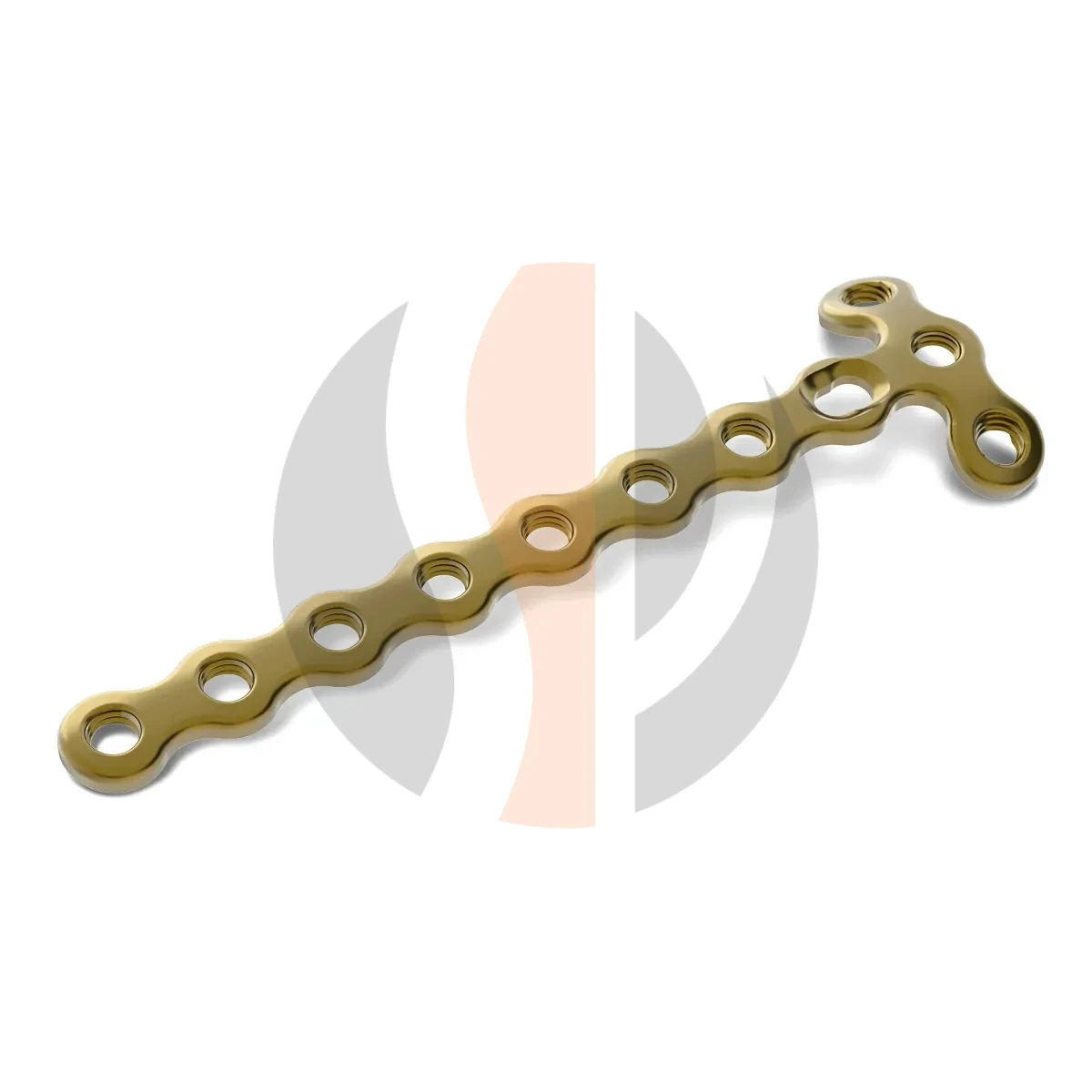
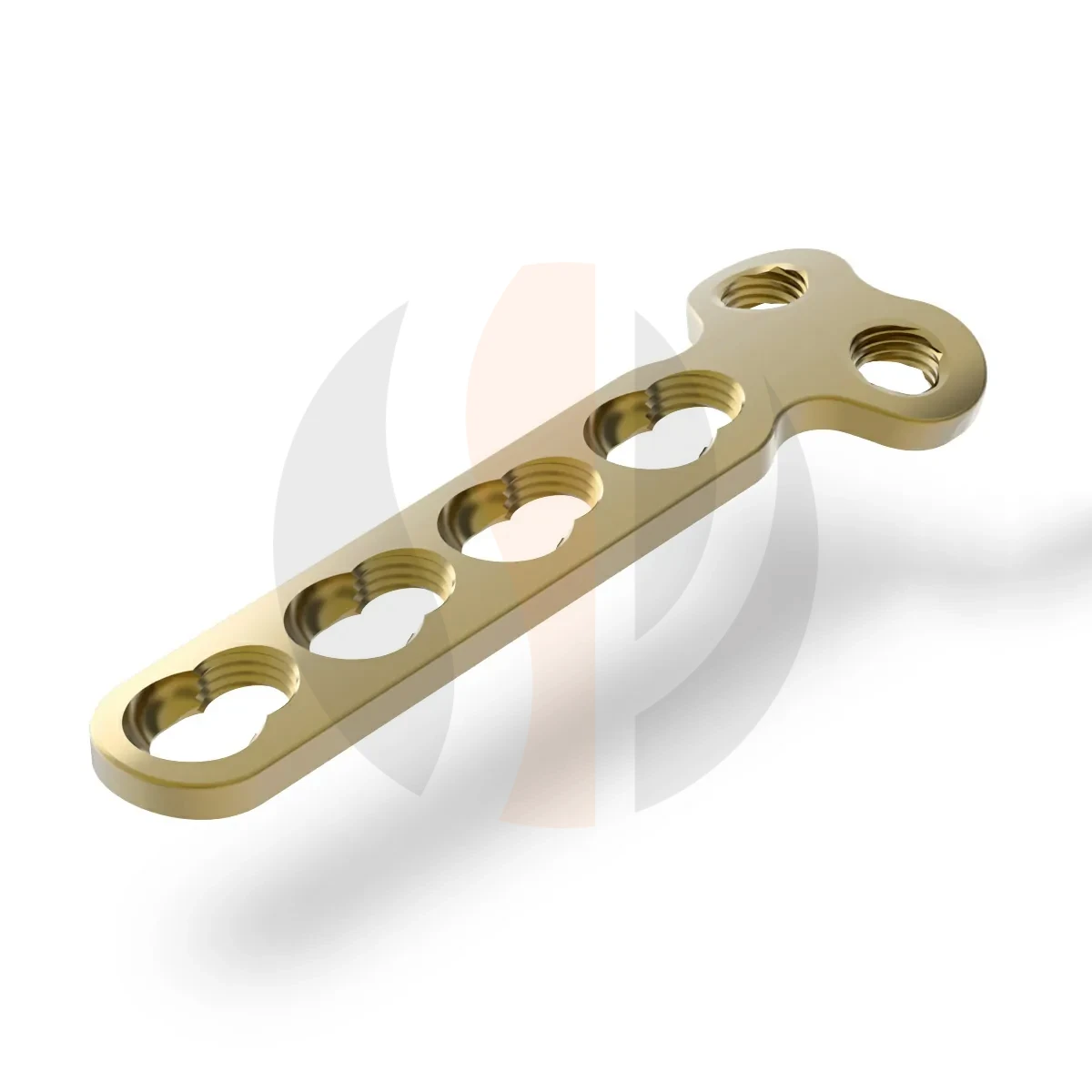
1.5mm Adaption T Locking Plate
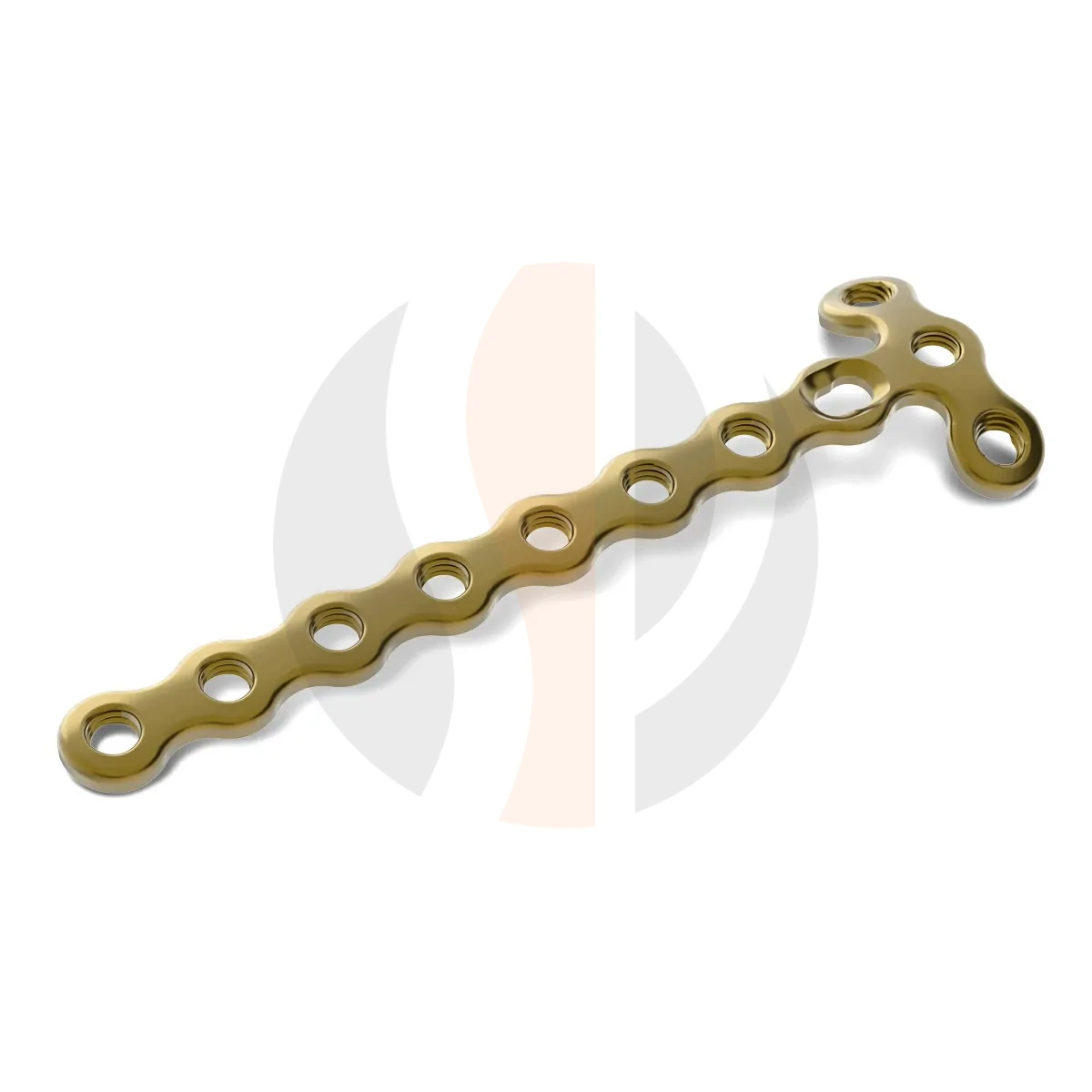
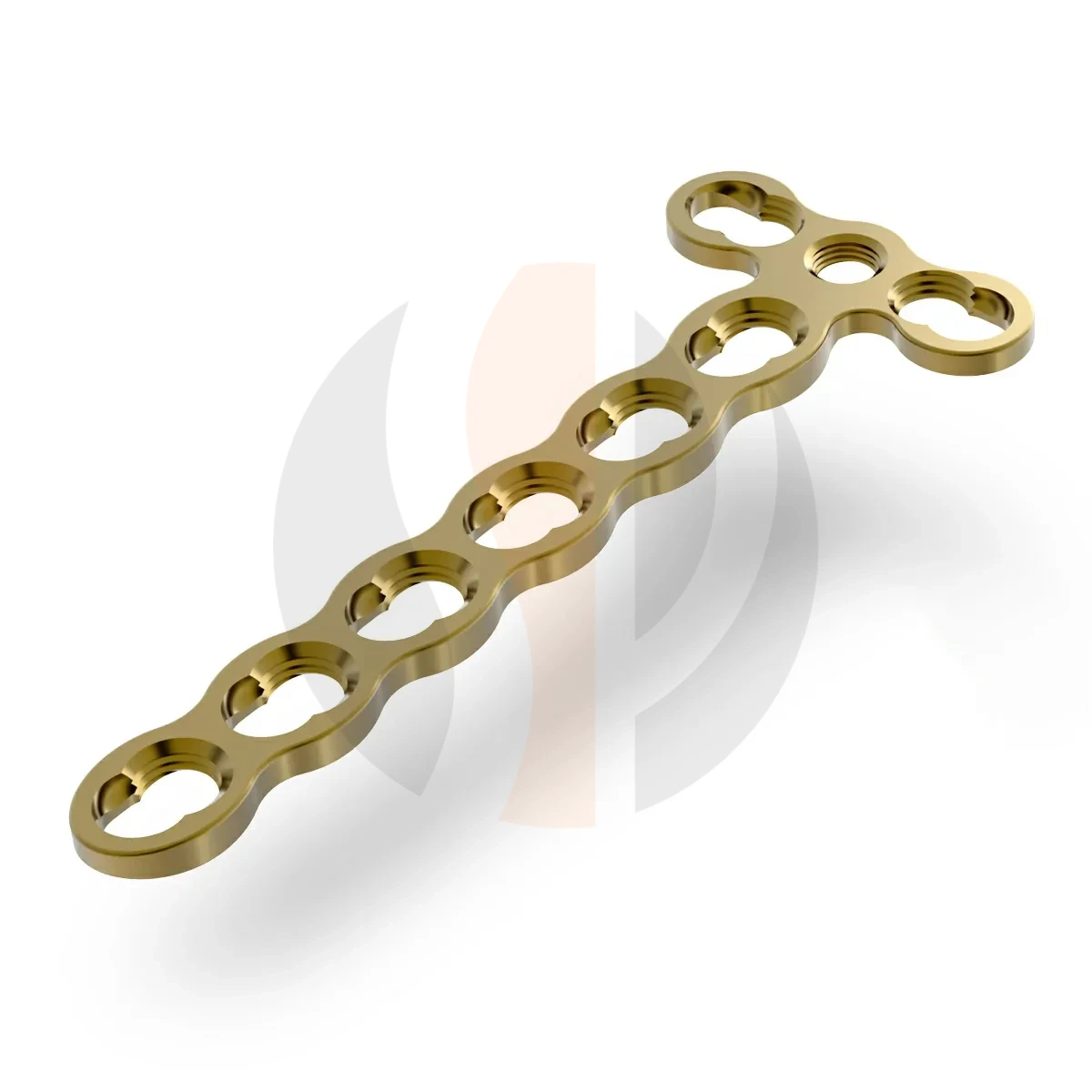
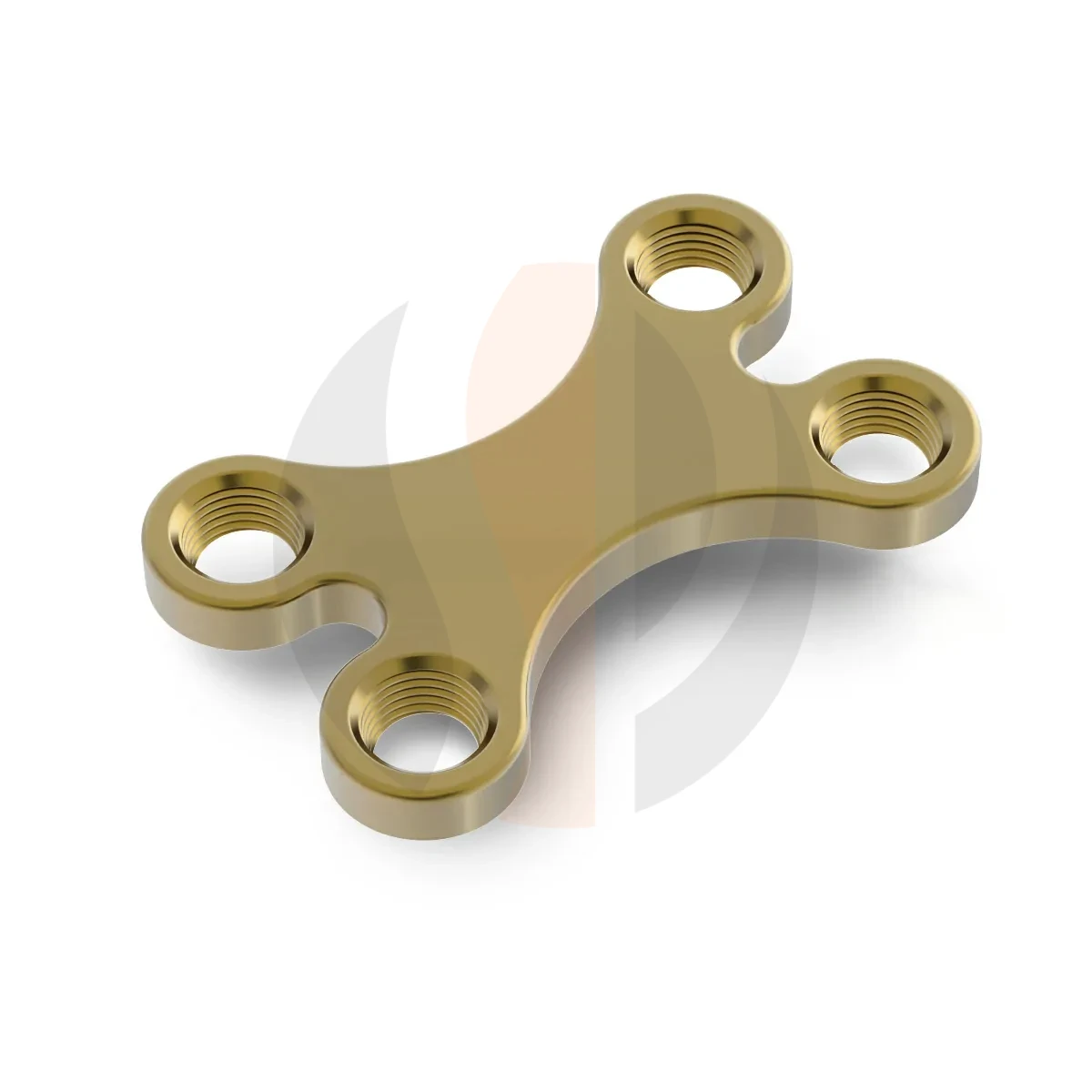
The 1.5mm Adaption T Locking Plate is available with 8 shaft holes and either 3 or 4 head holes. Both versions measure 44.5 mm. The catalogue lists proximal and distal extra-articular, partial articular and complete articular fractures of the hand among its applications.
The head hole count determines which of the two product references is needed. Because both plates have the same length, an enquiry stating only “44.5 mm T plate” would leave the configuration unclear. Include the head hole option when selecting this titanium hand plate.
1.5mm Adaption Straight Locking Plate
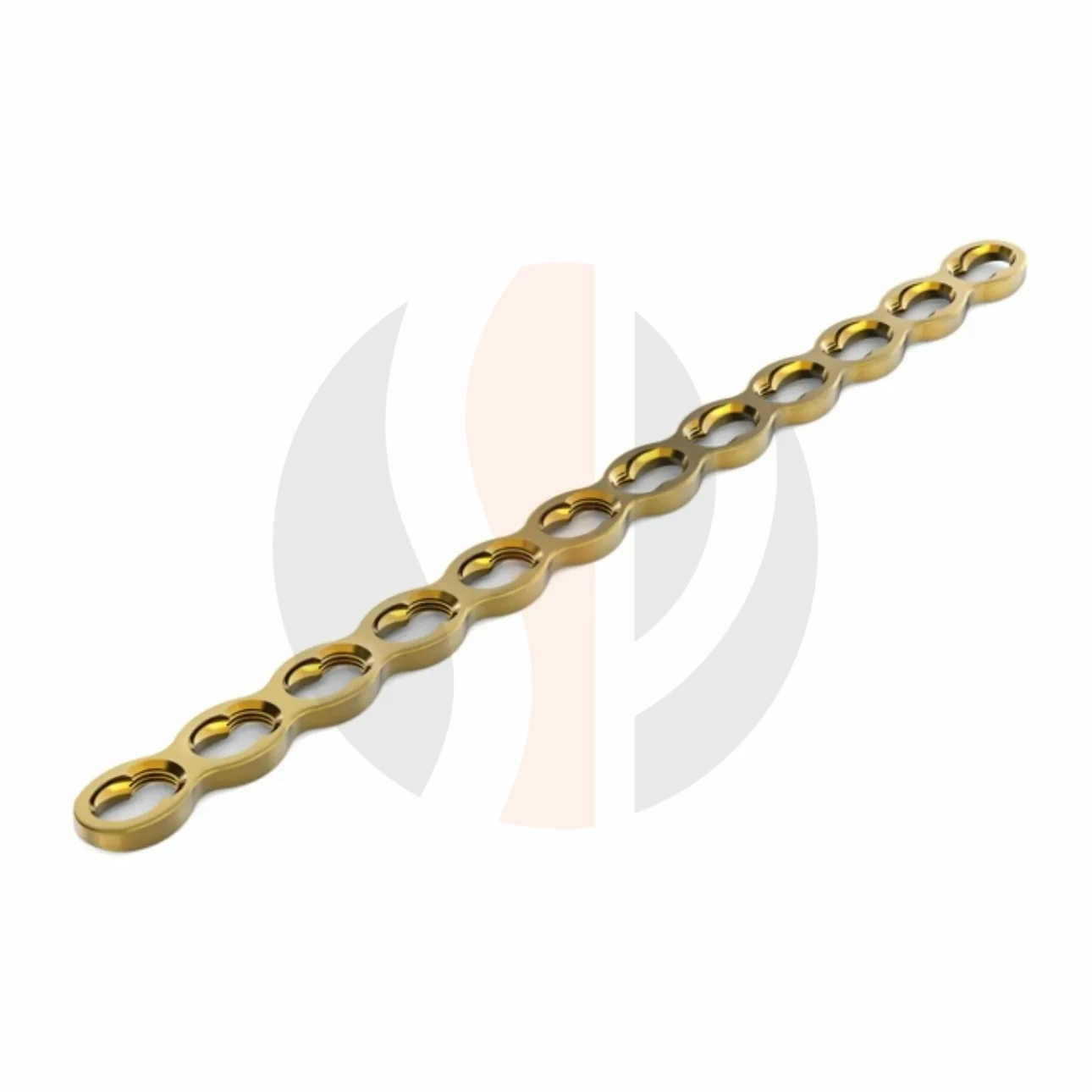
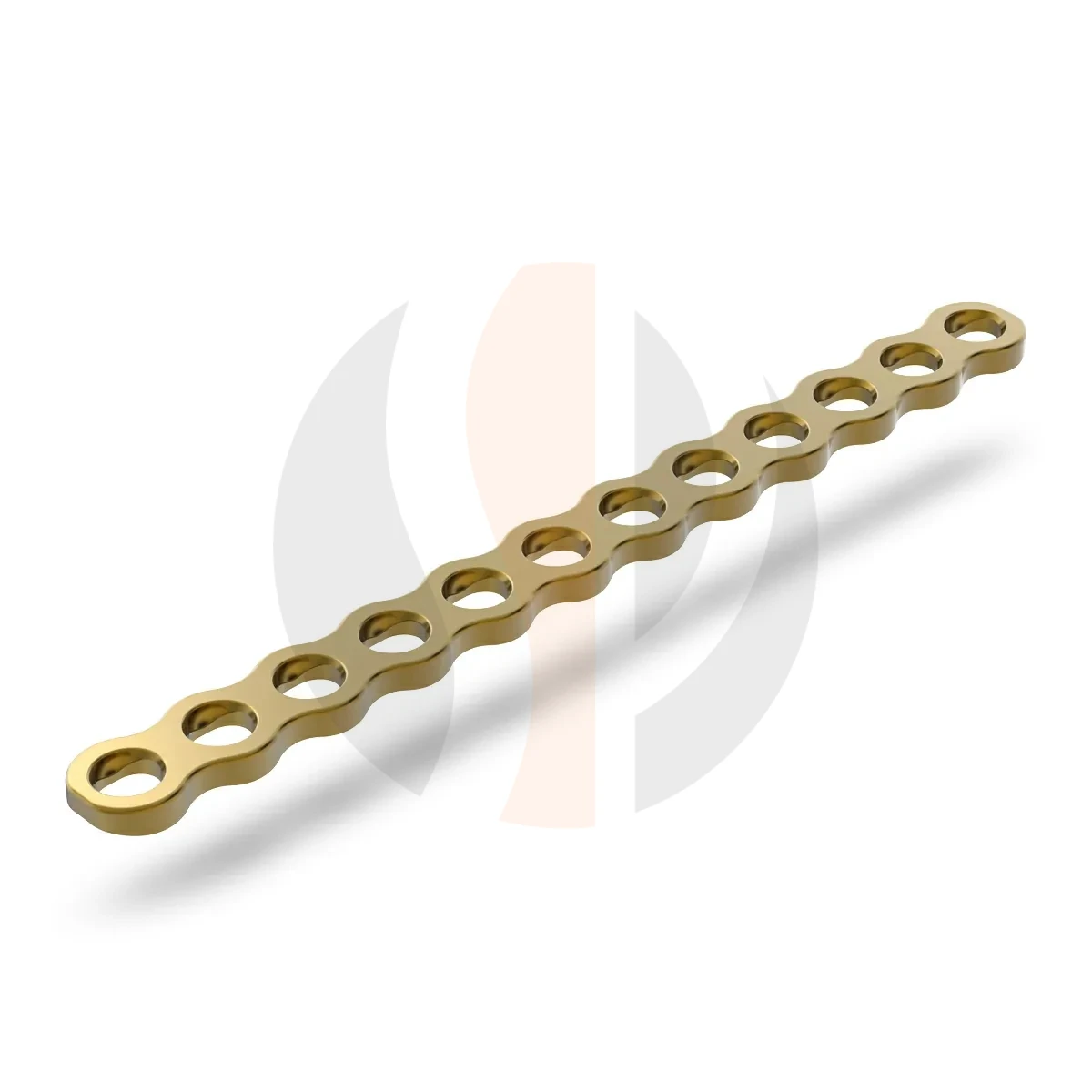
The 1.5mm Adaption Straight Locking Plate comes in a 6-hole, 29 mm version and a 12-hole, 59 mm version. Its listed applications involve non-comminuted, wedge-comminuted and comminuted diaphyseal fractures of the hand phalanges.
Here, “diaphyseal” refers to the shaft of the bone. Buyers comparing phalangeal fracture plates can use the hole count and overall length to distinguish the two catalogue options. The required configuration should follow the surgical team’s specification.
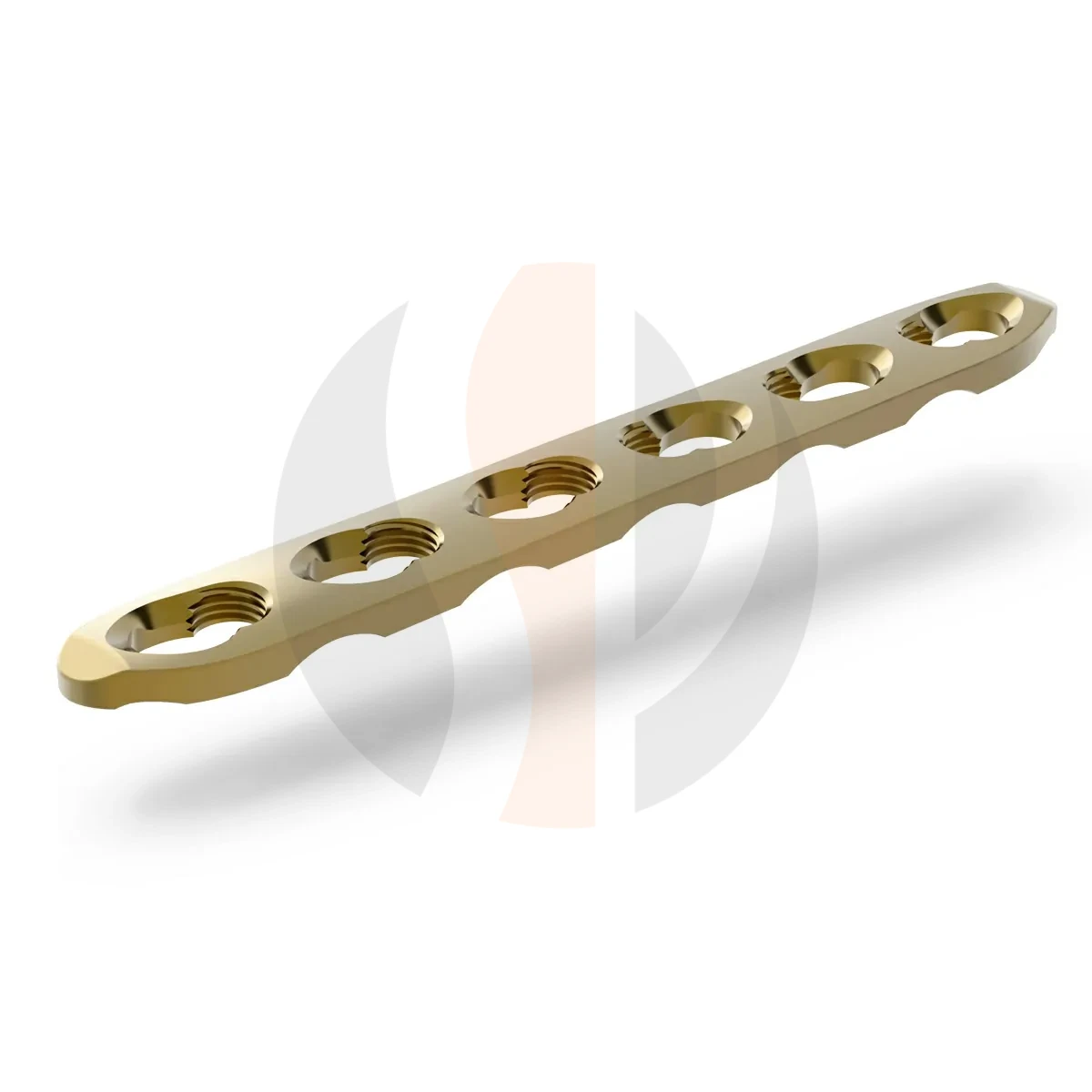
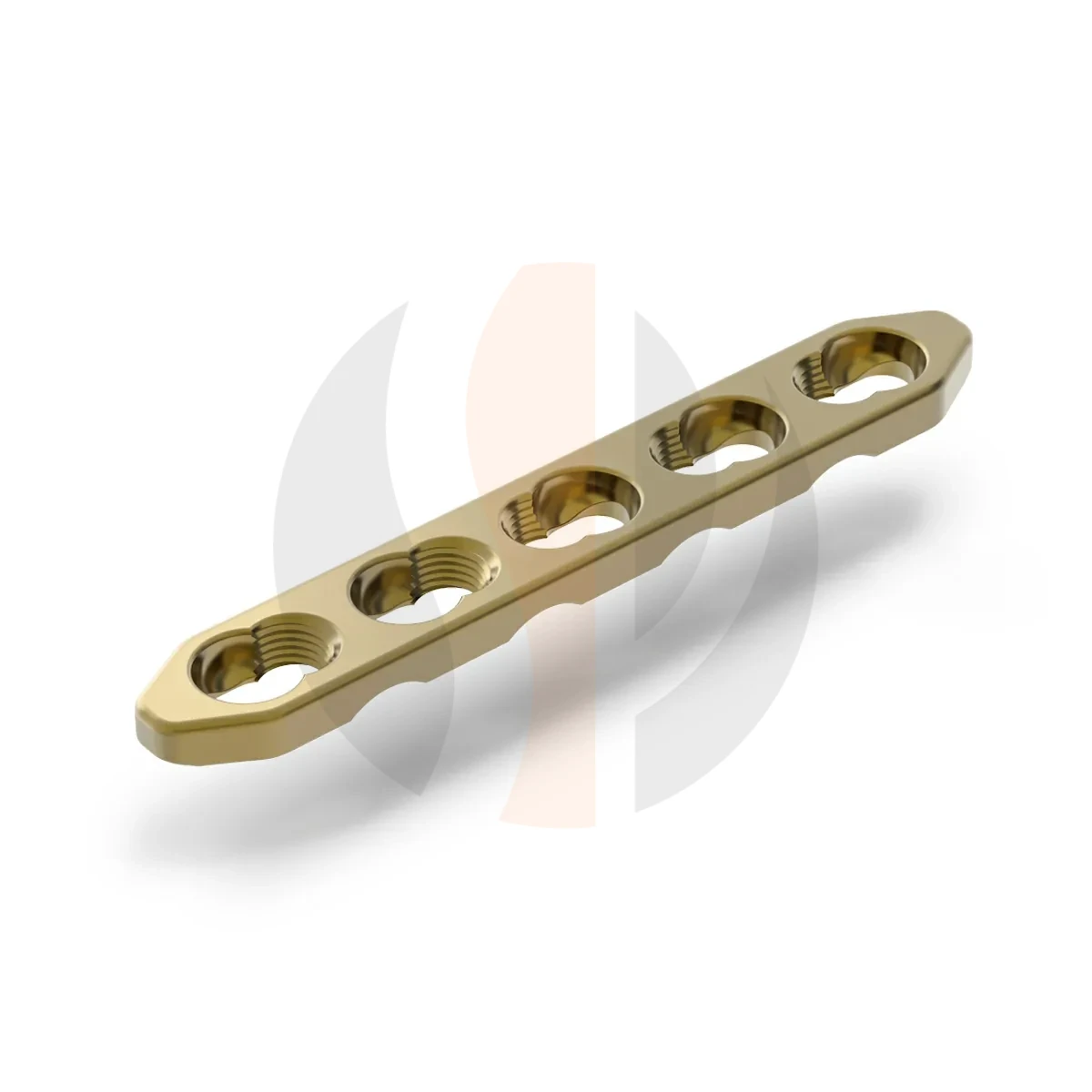
1.5mm Straight Locking Plate
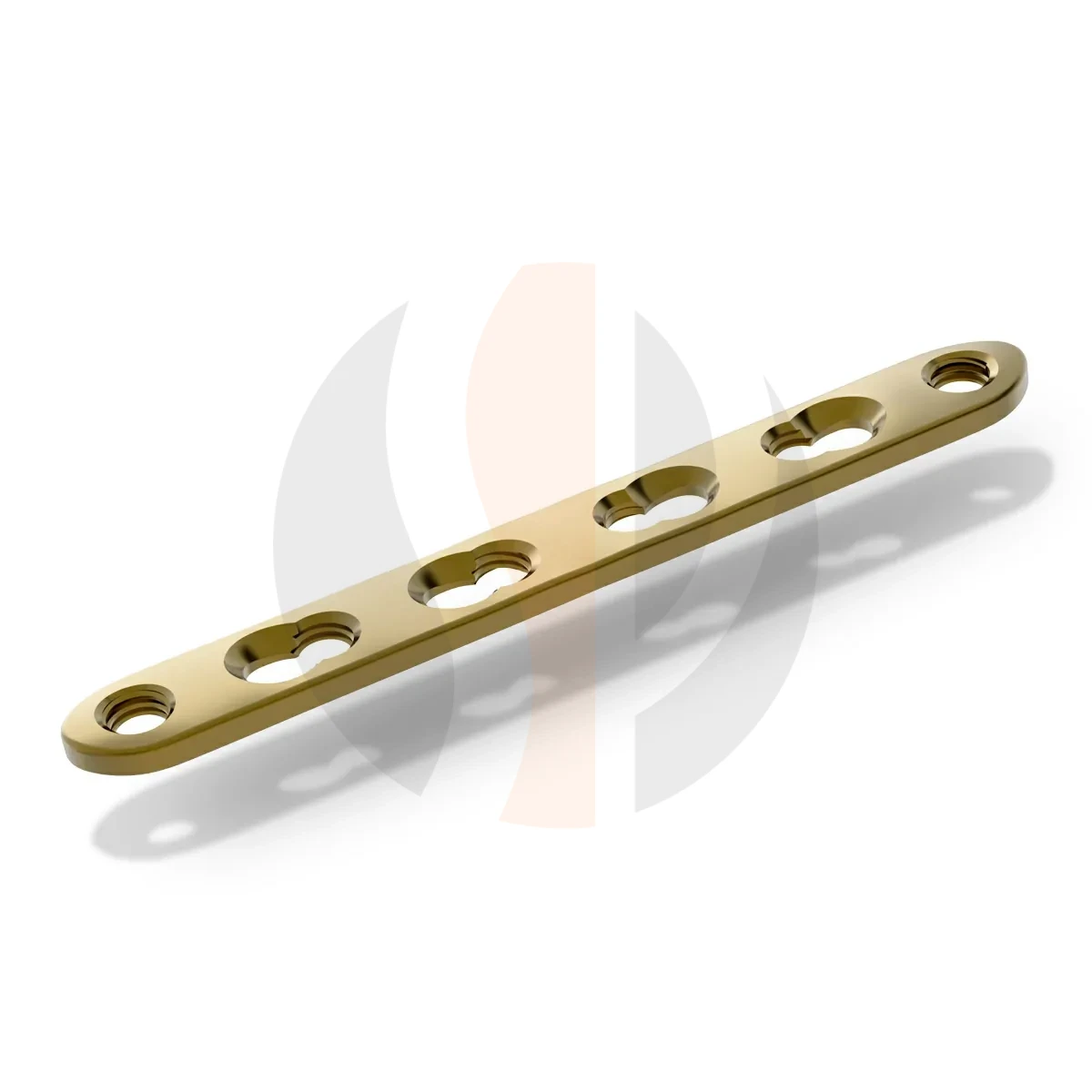
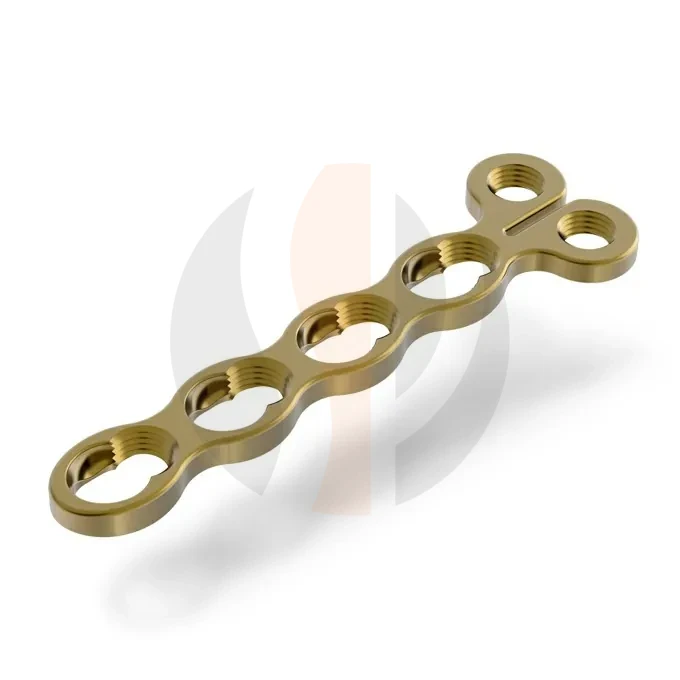
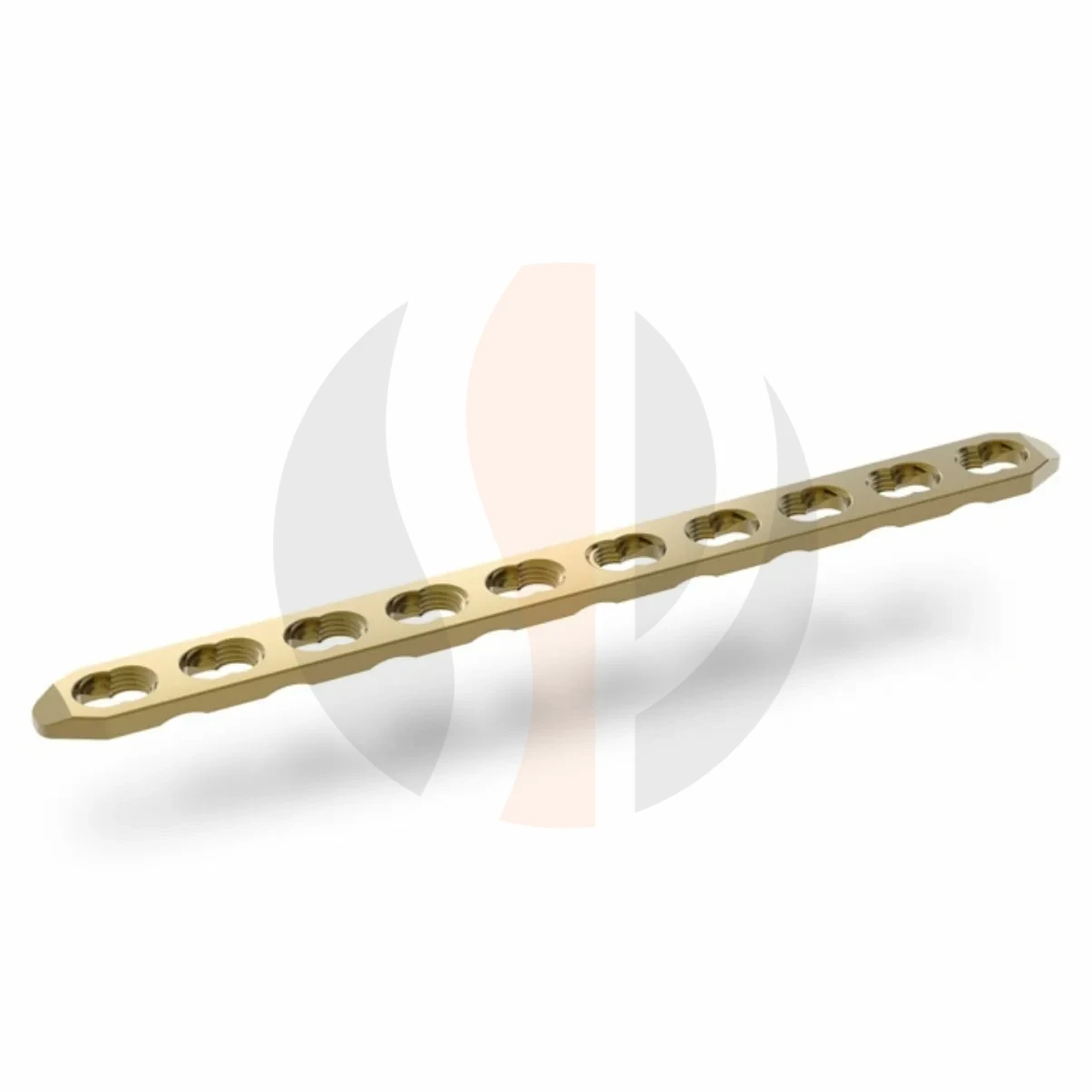
The 1.5mm Straight Locking Plate features compression and locking holes. It is available with 4 holes at 23 mm or 6 holes at 36 mm. The catalogue lists non-comminuted, wedge-comminuted and comminuted diaphyseal fractures of the hand phalanges among its applications.
The Straight and Adaption Straight models are separate products with different dimensions and references. In particular, the 6-hole Straight Locking Plate measures 36 mm, while the 6-hole Adaption Straight Locking Plate measures 29 mm. Use the full product name and code when comparing or requesting either option.
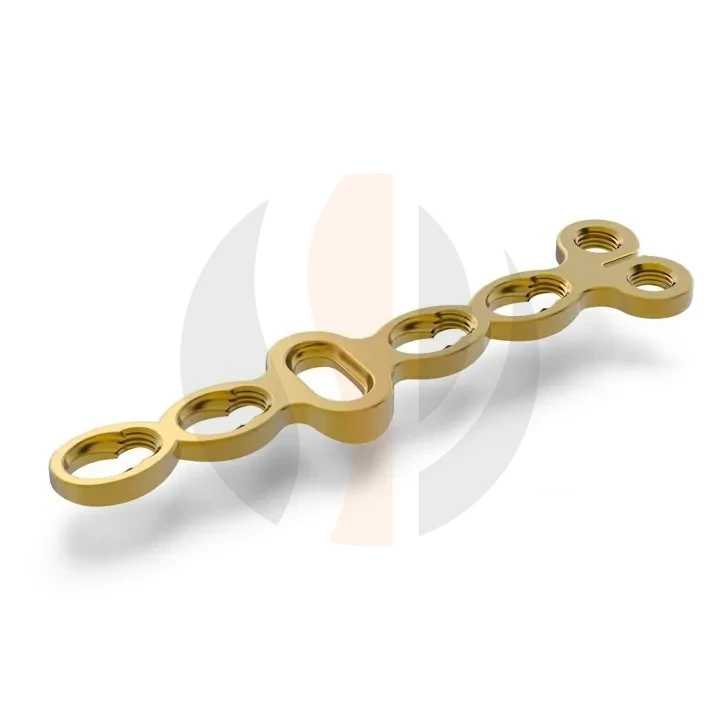
1.5mm Condylar Locking Plate
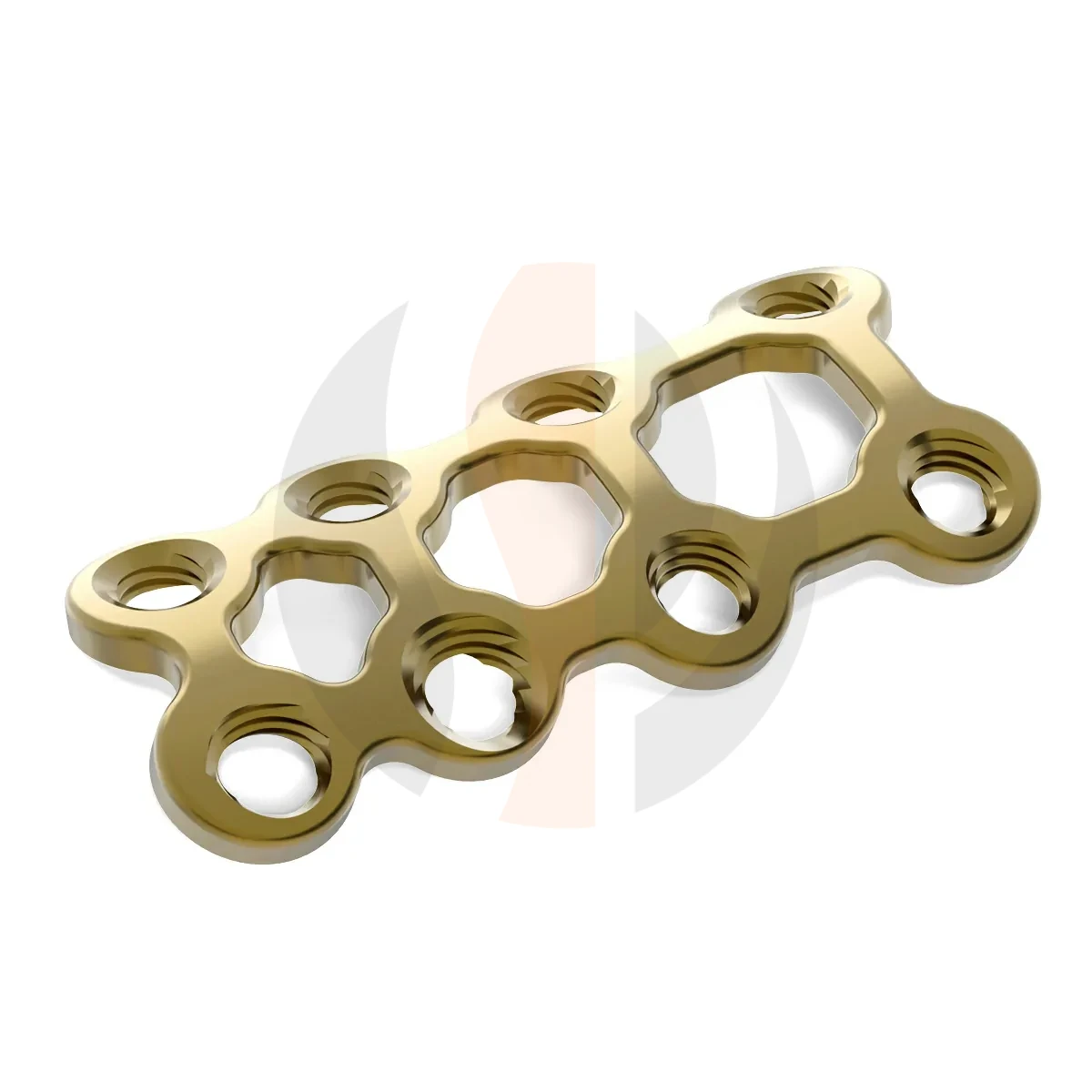
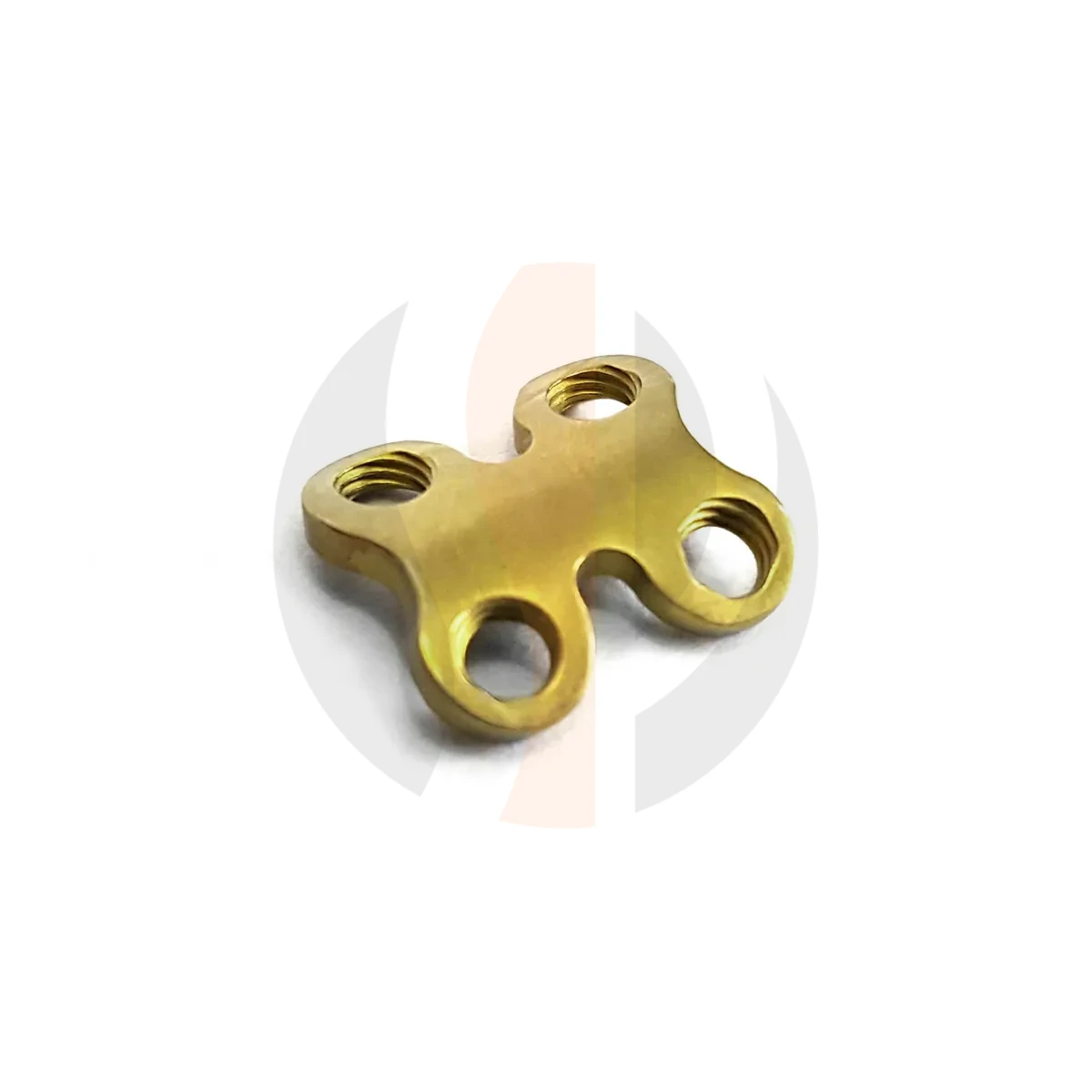
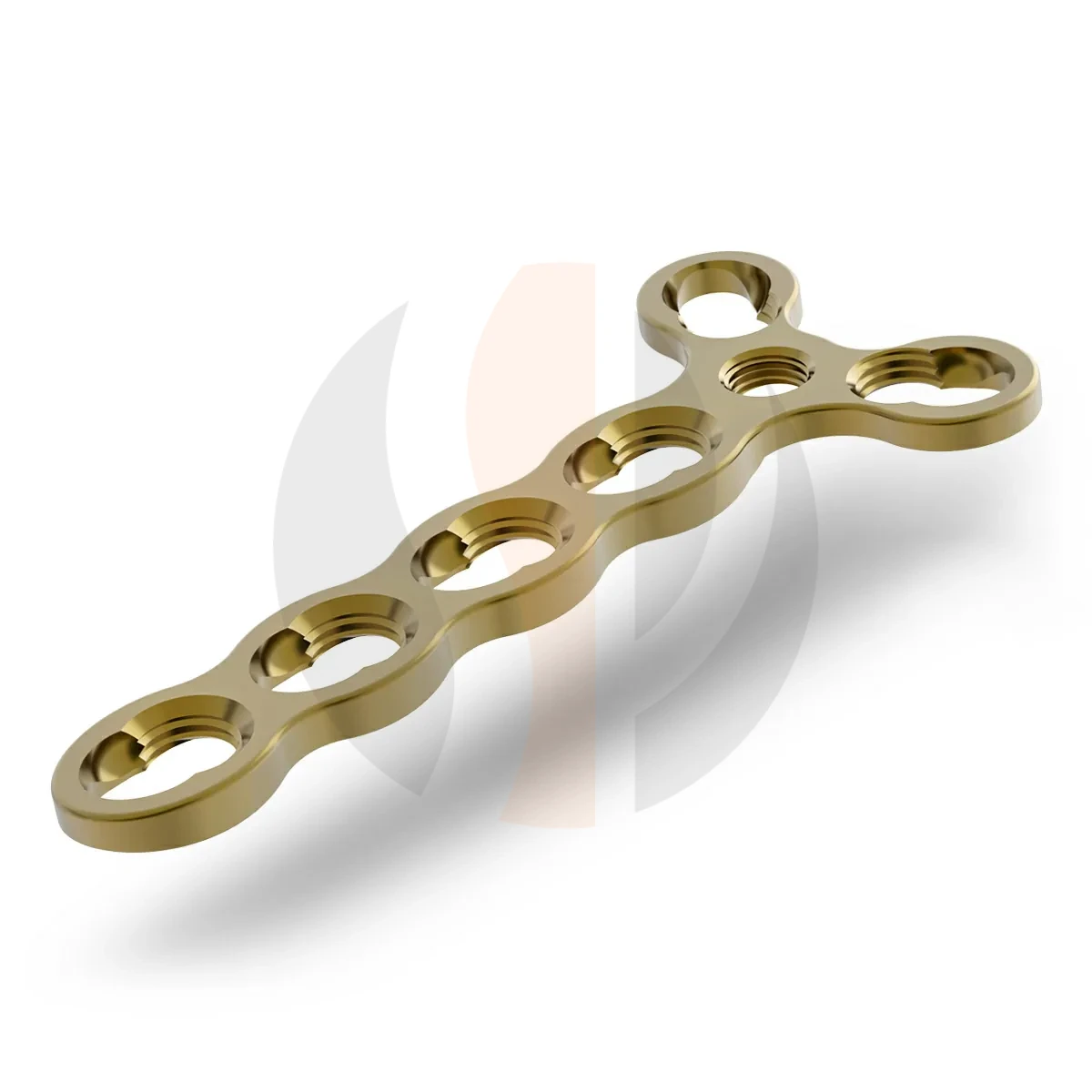
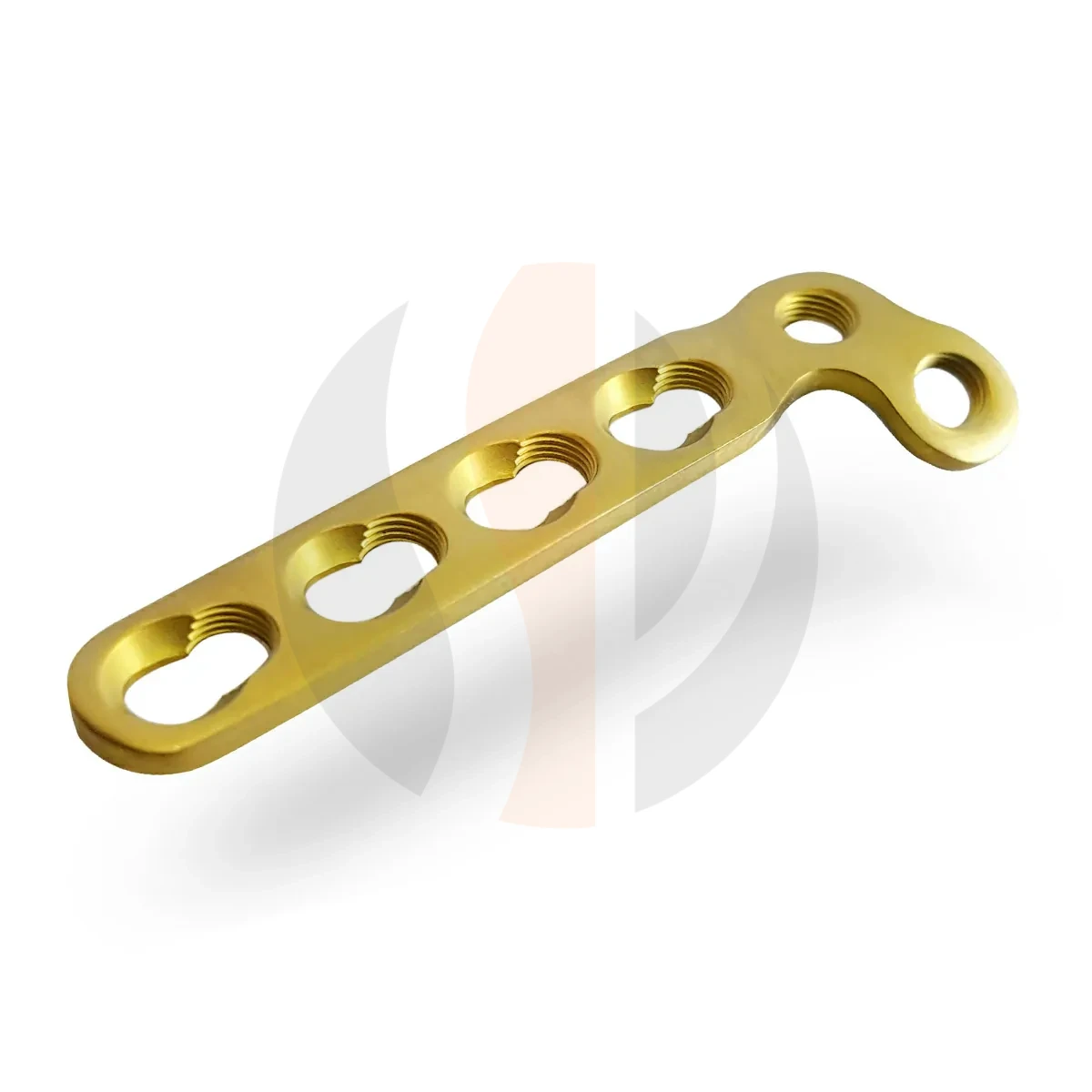
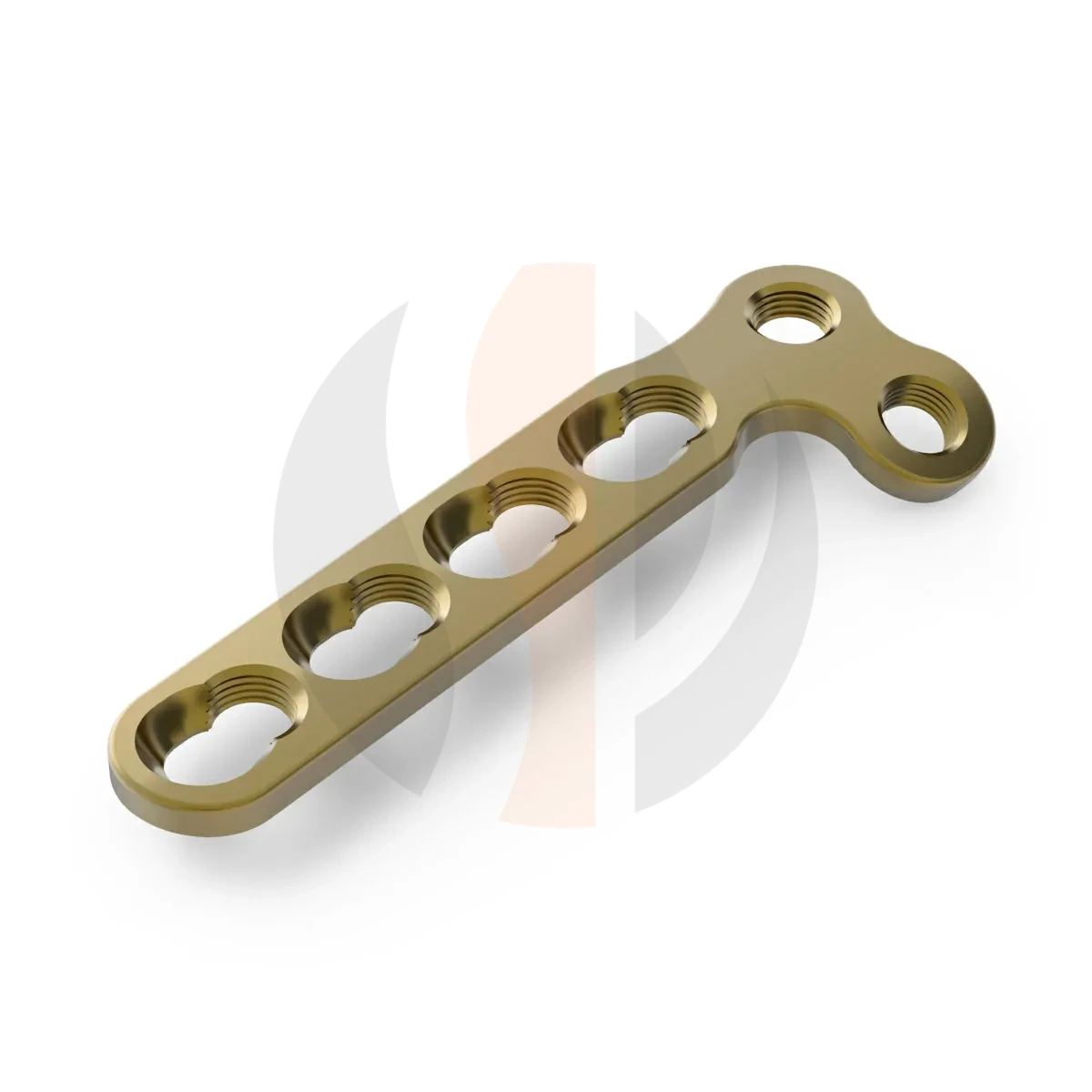
The 1.5mm Condylar Locking Plate has 6 shaft holes and 2 head holes, with a listed length of 36 mm. This titanium plate is included for metacarpal fracture fixation and supports 1.5mm cortical and locking screws in all holes.
Its head and shaft arrangement distinguishes it from the straight designs. The product table identifies the complete configuration under one catalogue reference, allowing buyers to check the model without relying on a product photograph alone.
Locking and Cortical Screws
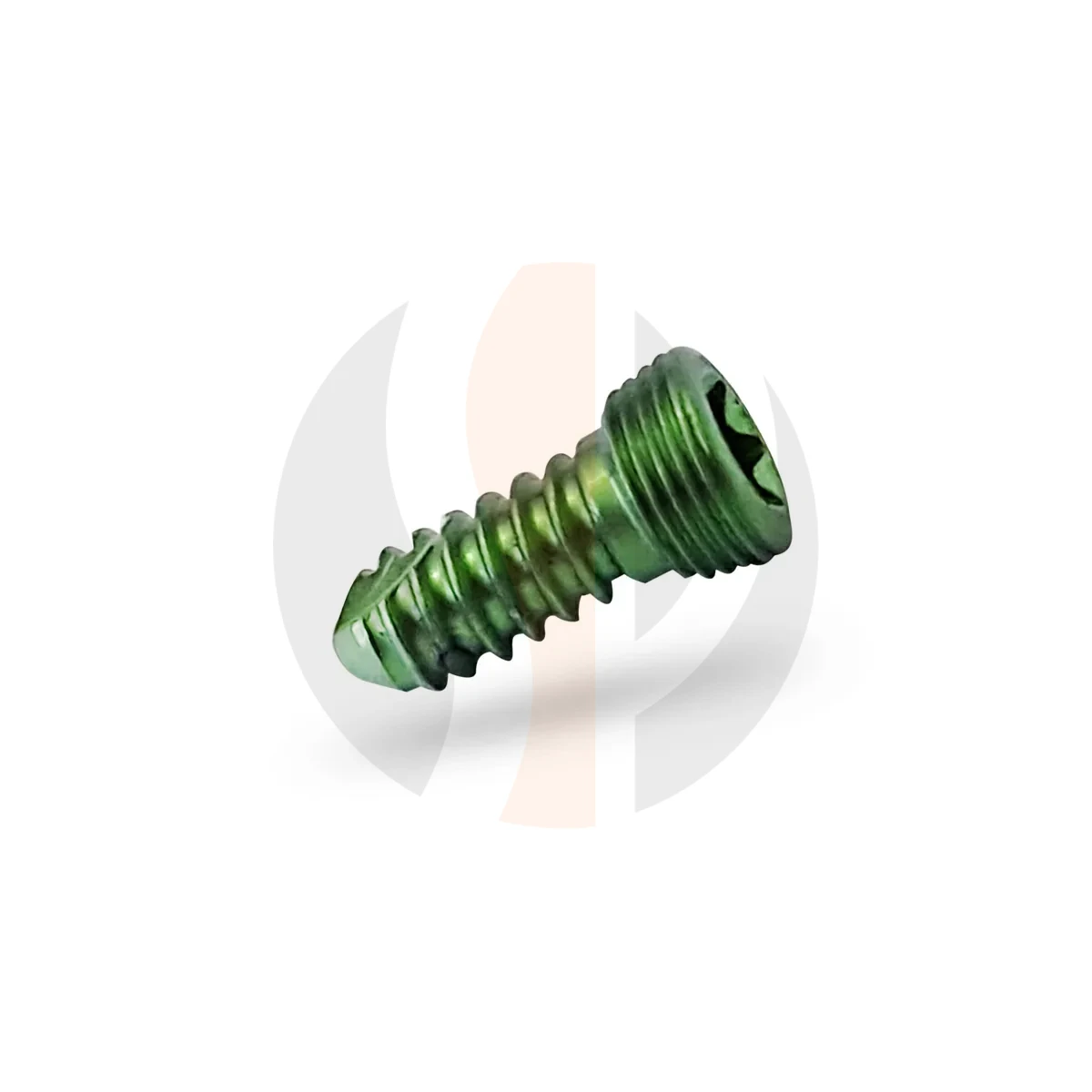
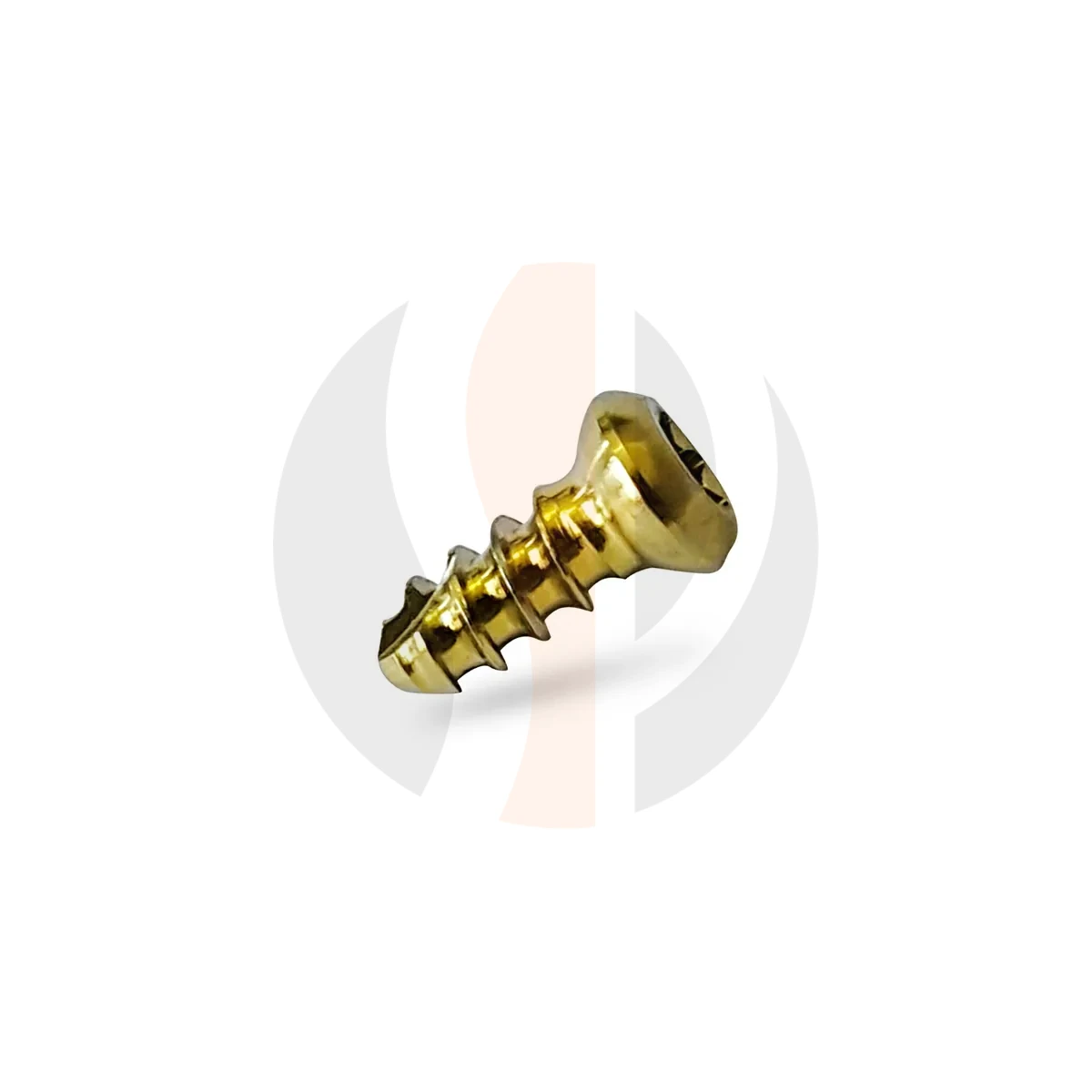
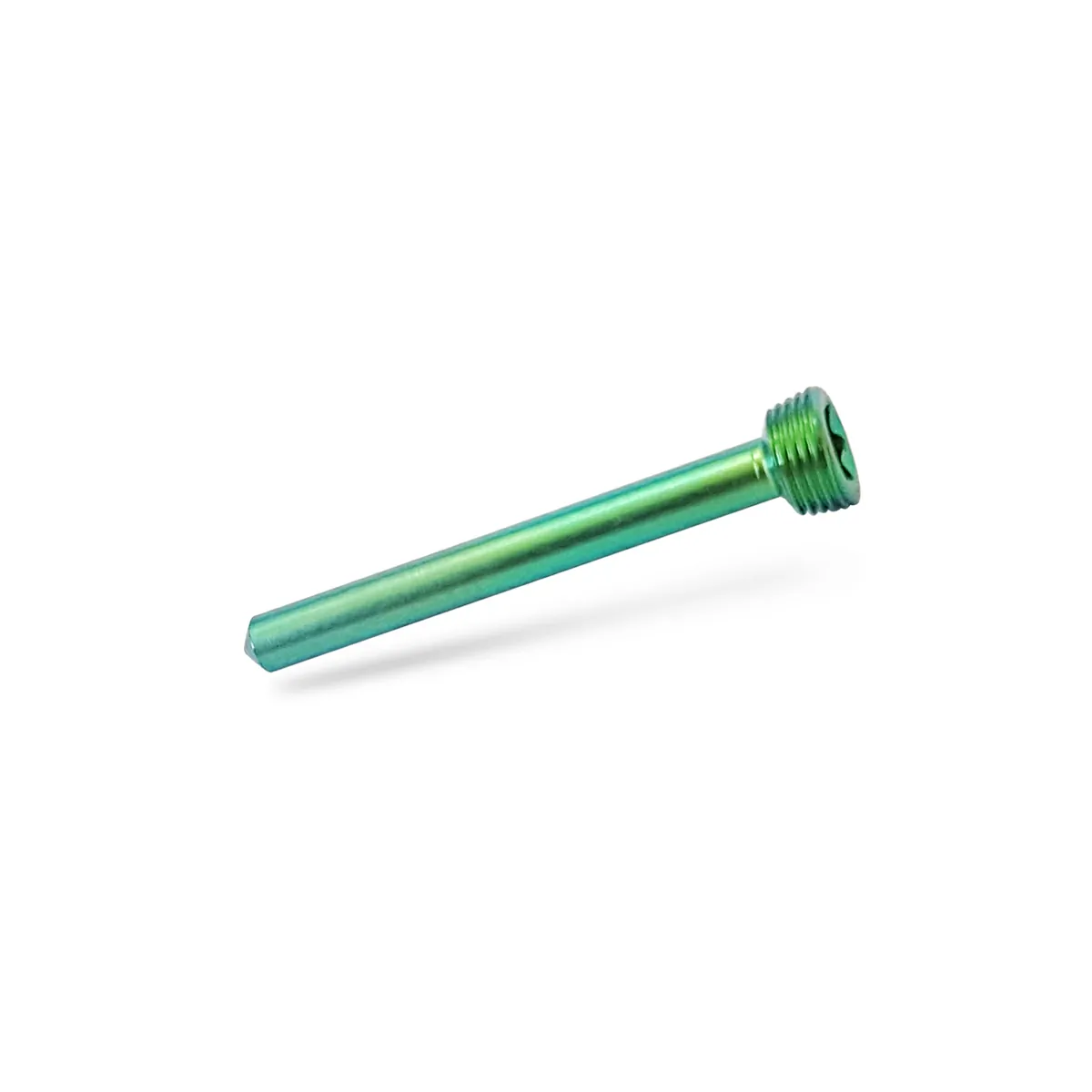
The screw range contains two distinct product families: 1.5mm Locking Screws and 1.5mm Cortical Screws. Both have a self-tapping designation and star head, and both are listed under a Titanium material column. Their different names and catalogue code series should remain separate in purchase enquiries.
Each family has 15 listed lengths: 6, 7, 8, 9, 10, 11, 12, 13, 14, 15, 16, 18, 20, 22 and 24 mm. The range therefore does not include every whole-millimetre length between its shortest and longest entries. Check the individual size table before specifying an order.
Locking screw references use the 4-250 series, while cortical screw references use the 4-260 series. Copy the complete reference exactly as shown on the relevant product page. Confirm instrument requirements and the intended plate connection through the system documentation rather than assuming that a shared star head description establishes compatibility.
Foot Implant Enquiries
Foot implant requirements should be assessed separately from the featured hand system. The forefoot includes the metatarsals and toe phalanges. Many toe and metatarsal fractures are treated without surgery, although selected injuries may require internal fixation using devices such as plates and screws.
For a foot fixation enquiry, identify the anatomical site, the requested implant type and any system requirements provided by the clinical team. Ask for the corresponding product specification and intended-use information. The Hand and Foot category name does not mean that a hand plate is suitable for use in the foot.
Where a required foot product is not shown, contact StahlmannPro with the product specification or reference you are seeking. Confirm the available model, sizes and supporting documentation before placing an order. Do not substitute a featured hand implant solely because its dimensions appear similar.
Comparing Specifications Before Ordering
Start with the complete product name and then read its size table. Plate length, hole count, head configuration and laterality identify different aspects of the same item. A precise enquiry includes every applicable detail, particularly when two models share a length or number of holes.
For screws, record the screw family, diameter, length and catalogue reference. Specify the quantity against each reference instead of giving one combined quantity for several sizes. This makes it easier to review the requested assortment and identify any missing information before a quotation is prepared.
Material is another useful comparison field. The featured plates are described as titanium, and the screw tables also identify titanium. The catalogue does not establish a titanium alloy grade, plate thickness or every instrument specification. Request these details when they are required for your evaluation.
Information for Hospitals and Distributors
Hospital procurement teams and orthopaedic distributors can use this category to assemble product enquiries from a consistent set of names and references. The category overview explains the range, while individual product pages provide the size-level detail needed to distinguish one configuration from another.
When evaluating supply, request the information relevant to your organisation: product availability, pricing, packaging, applicable device documentation and delivery arrangements. Where market-specific registration or certification is required, ask for current documentation covering the exact product and destination. These details should be confirmed rather than inferred from a general category description.
For a mixed enquiry, list plates and screws separately. Keep each plate configuration on its own line and each screw length against its own reference. Attach any technical requirements essential to the purchasing decision, including instrument compatibility or material information that needs clarification.
Request Product Information
Browse the featured titanium hand plates and screw families to review the available catalogue options. Open the product details for dimensions and original reference tables, then send an enquiry with the product name, configuration and required quantity.
For a broader hand and foot implant requirement, include the anatomical area and the system information supplied by your clinical team. This provides a clear starting point for confirming the relevant products and documentation. Clinical selection and use must follow professional assessment and the applicable instructions for use.
