WHX Dubai 2027
"January 25–28, 2027
Dubai Exhibition Centre, UAE"
AAOS 2027
"March 3–6, 2027
Venetian Convention & Expo Center, Las Vegas, Nevada, USA"
Femoral Intramedullary Nail
Femoral Intramedullary Nail
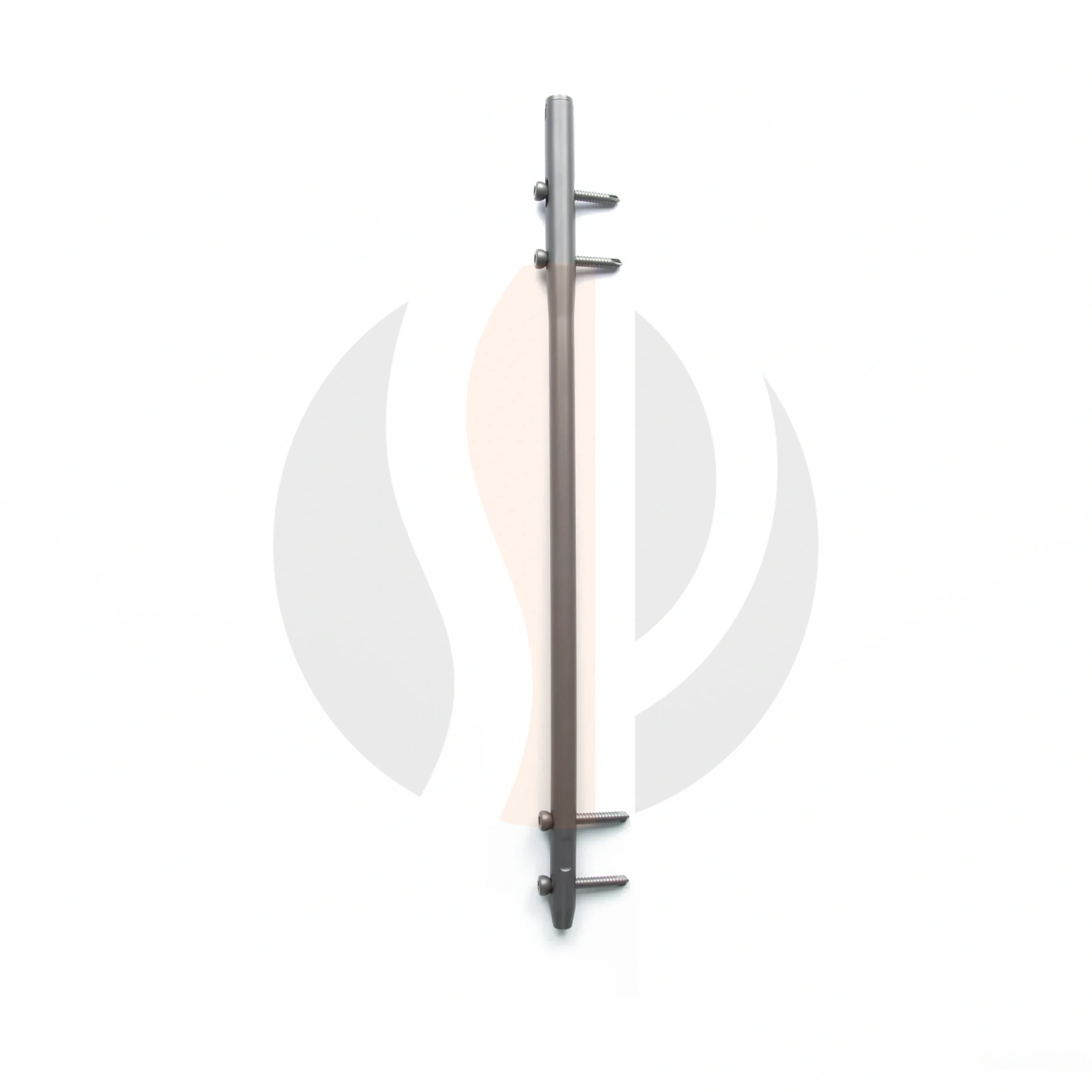
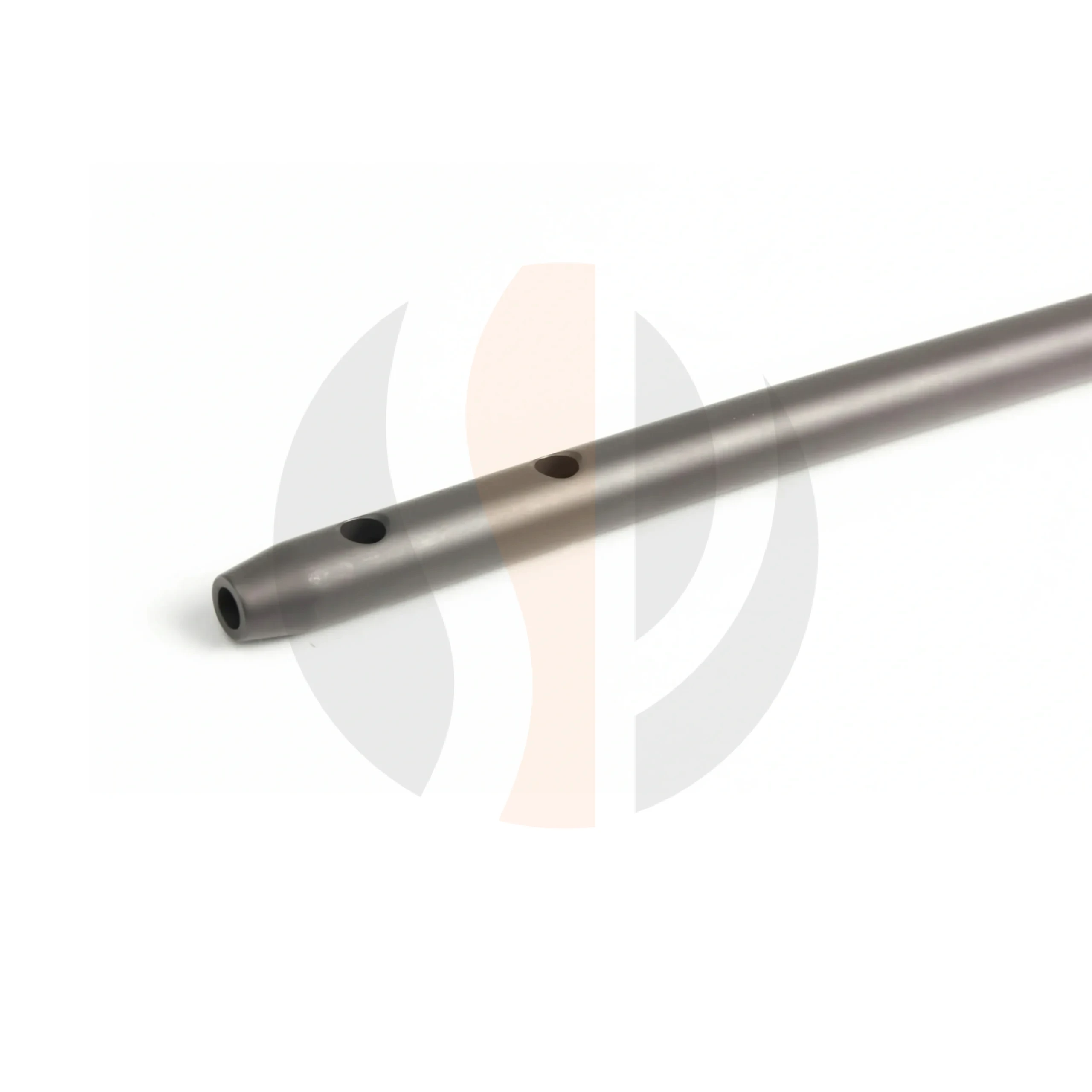
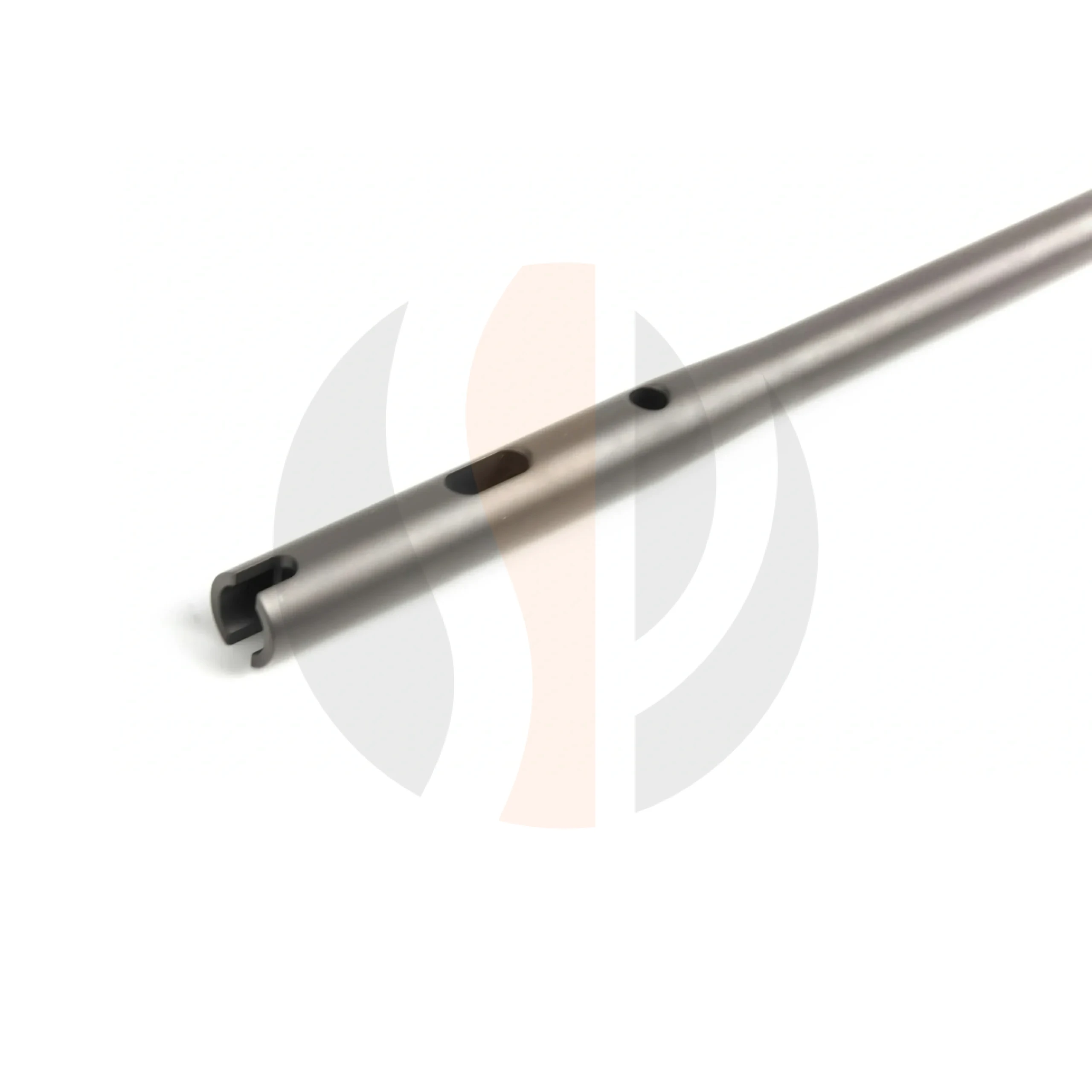
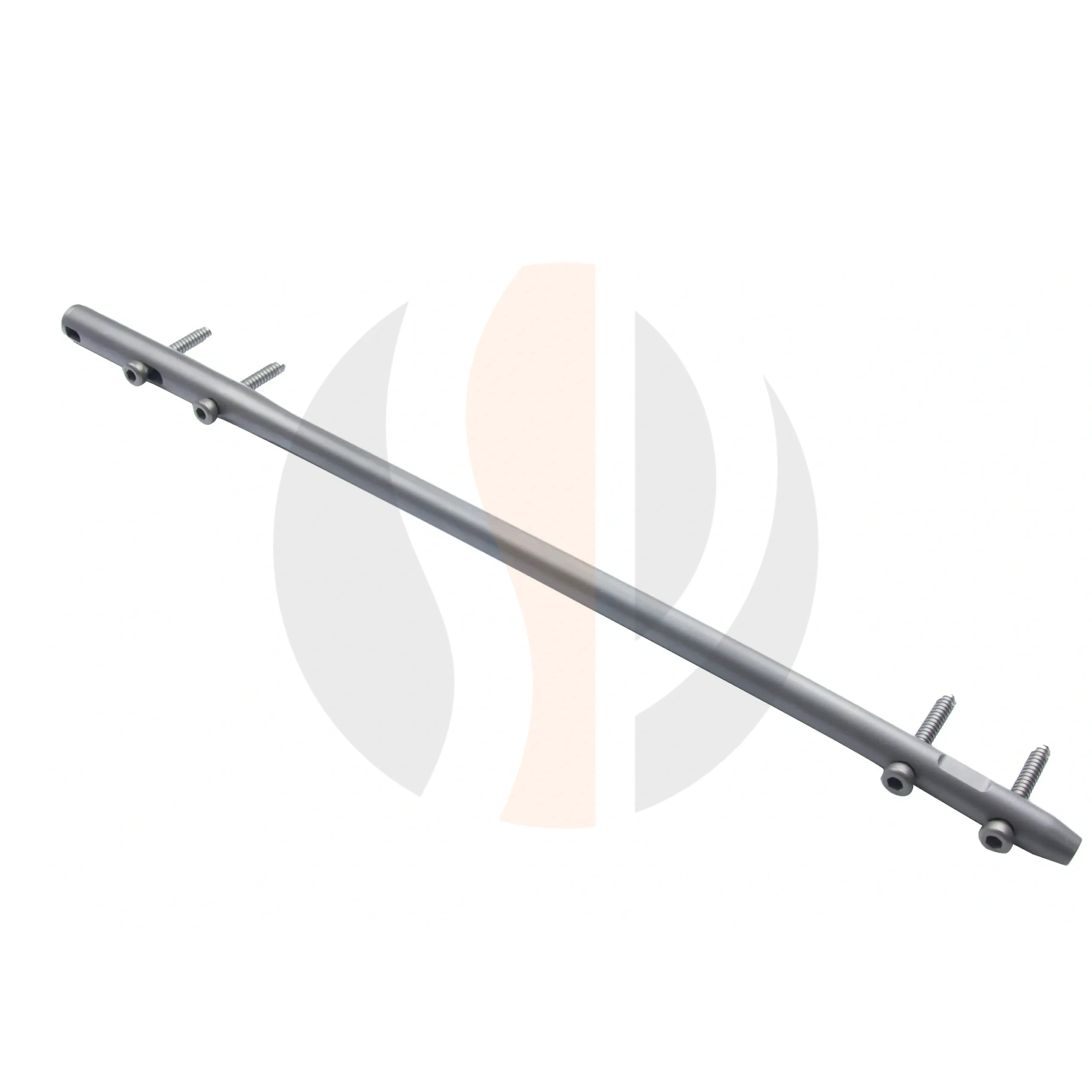
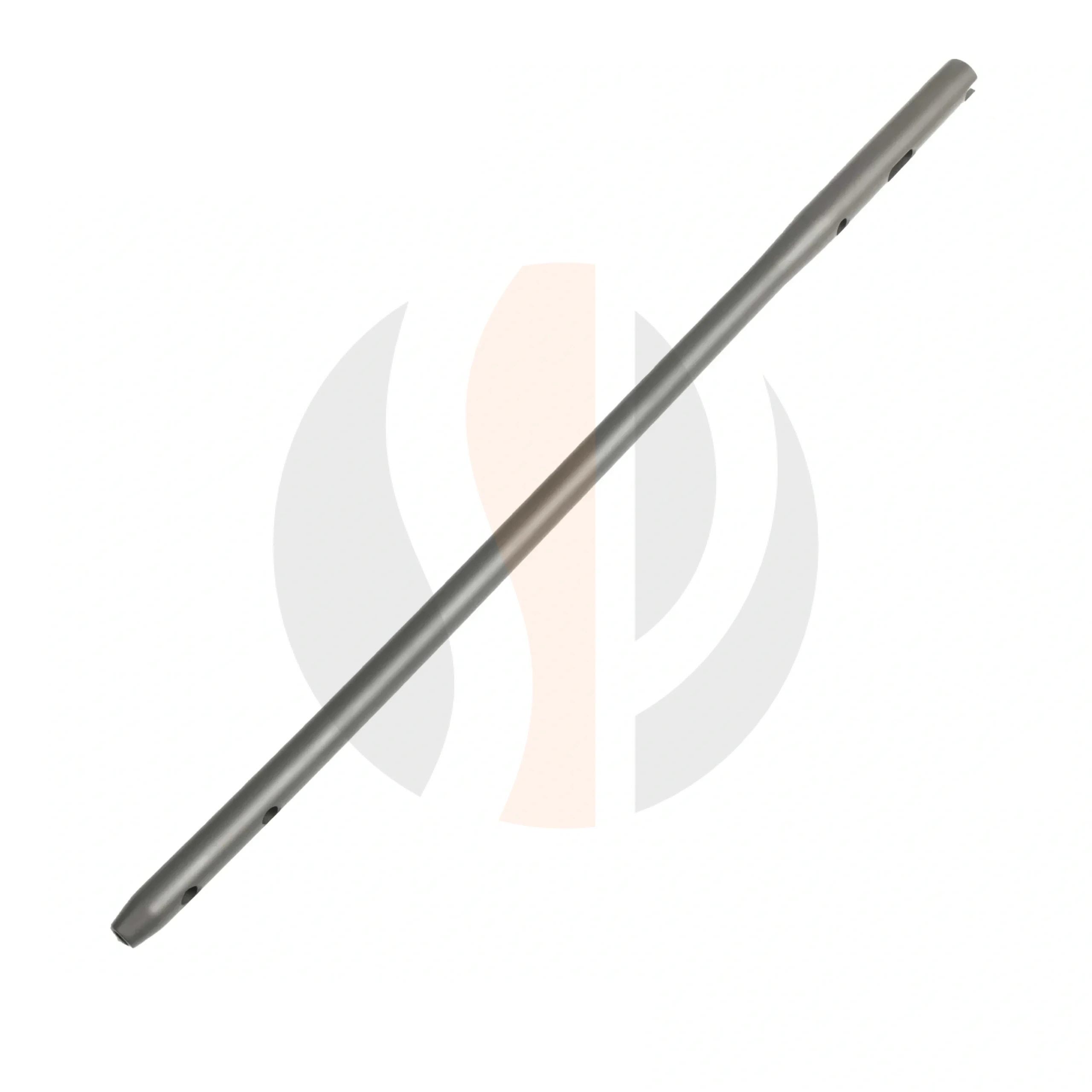
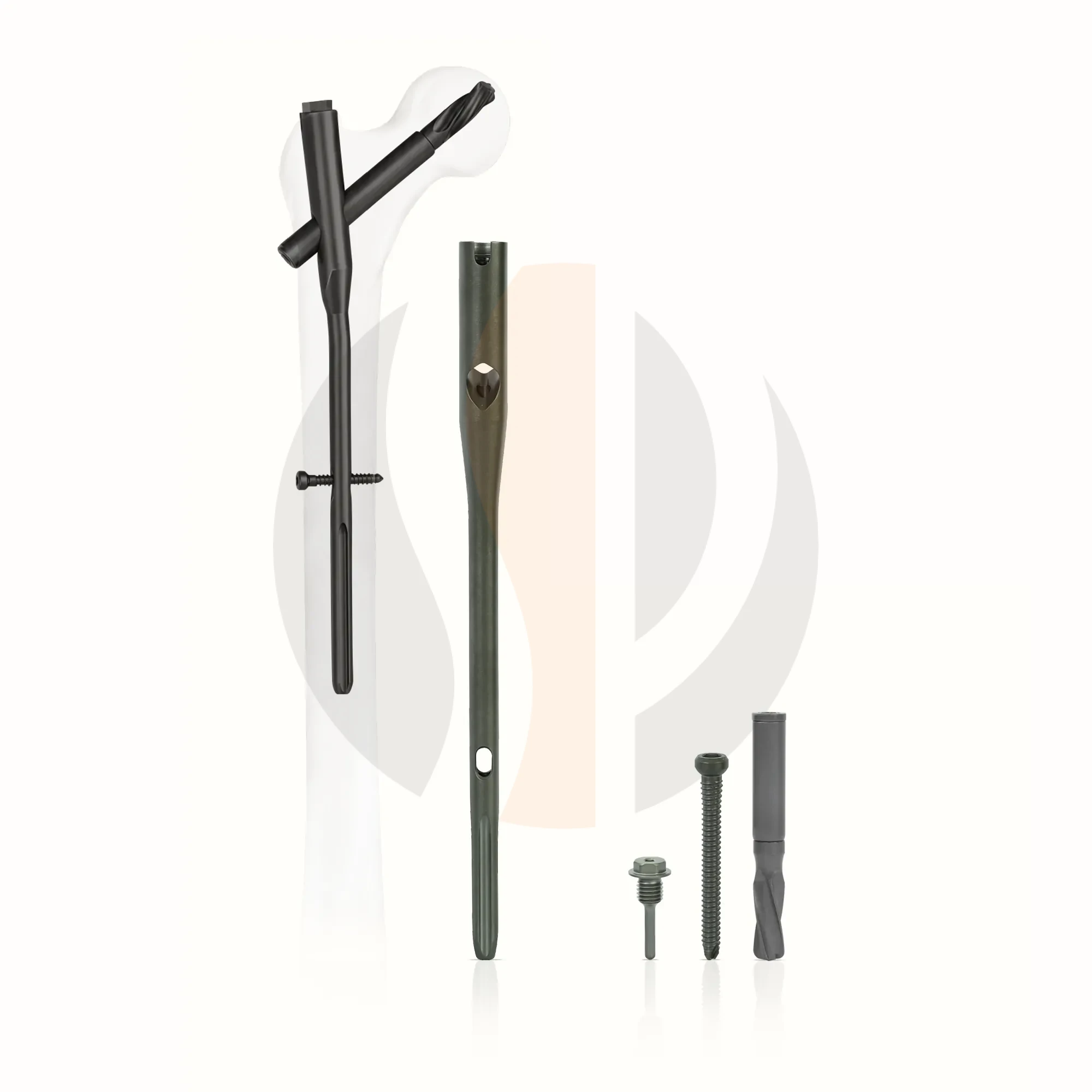
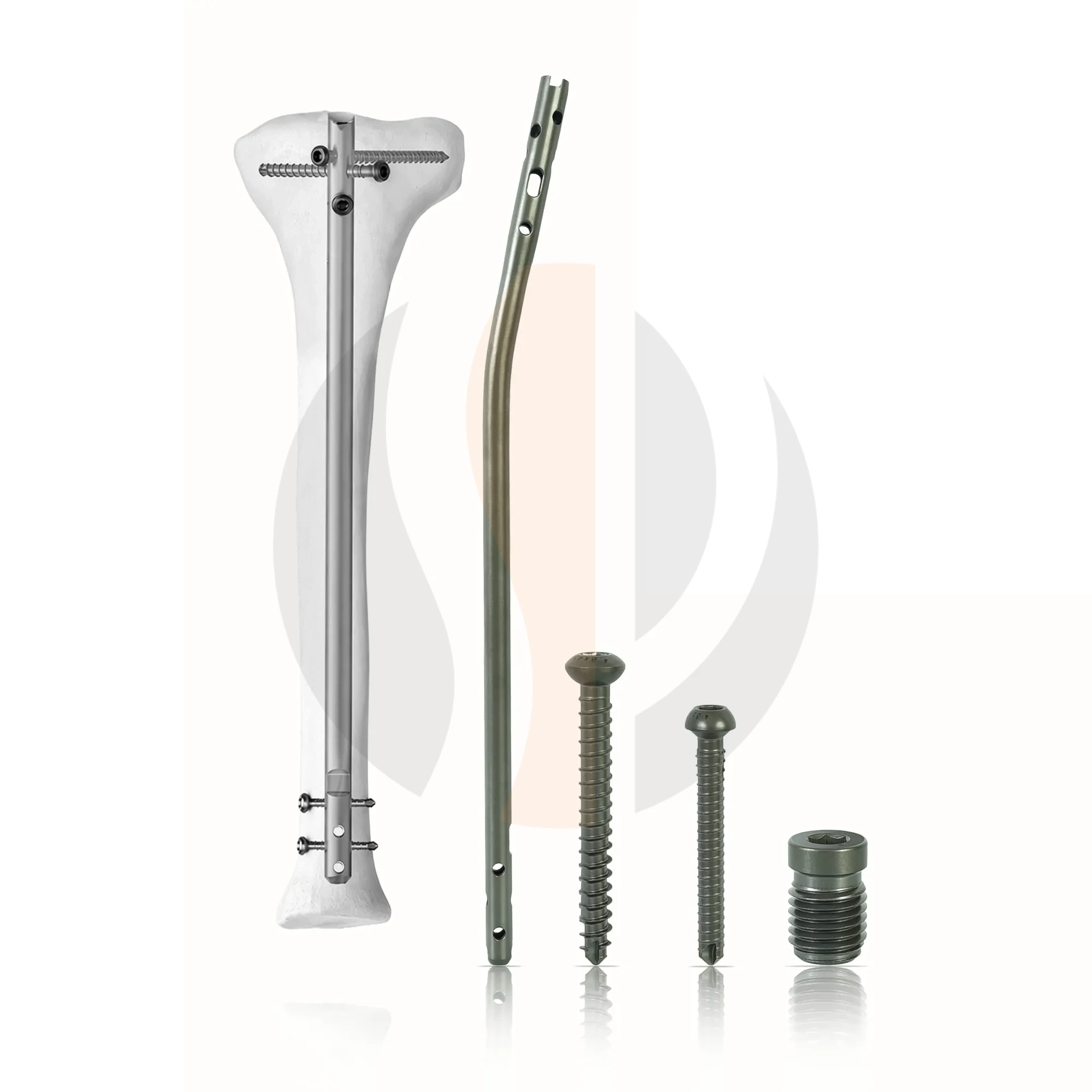
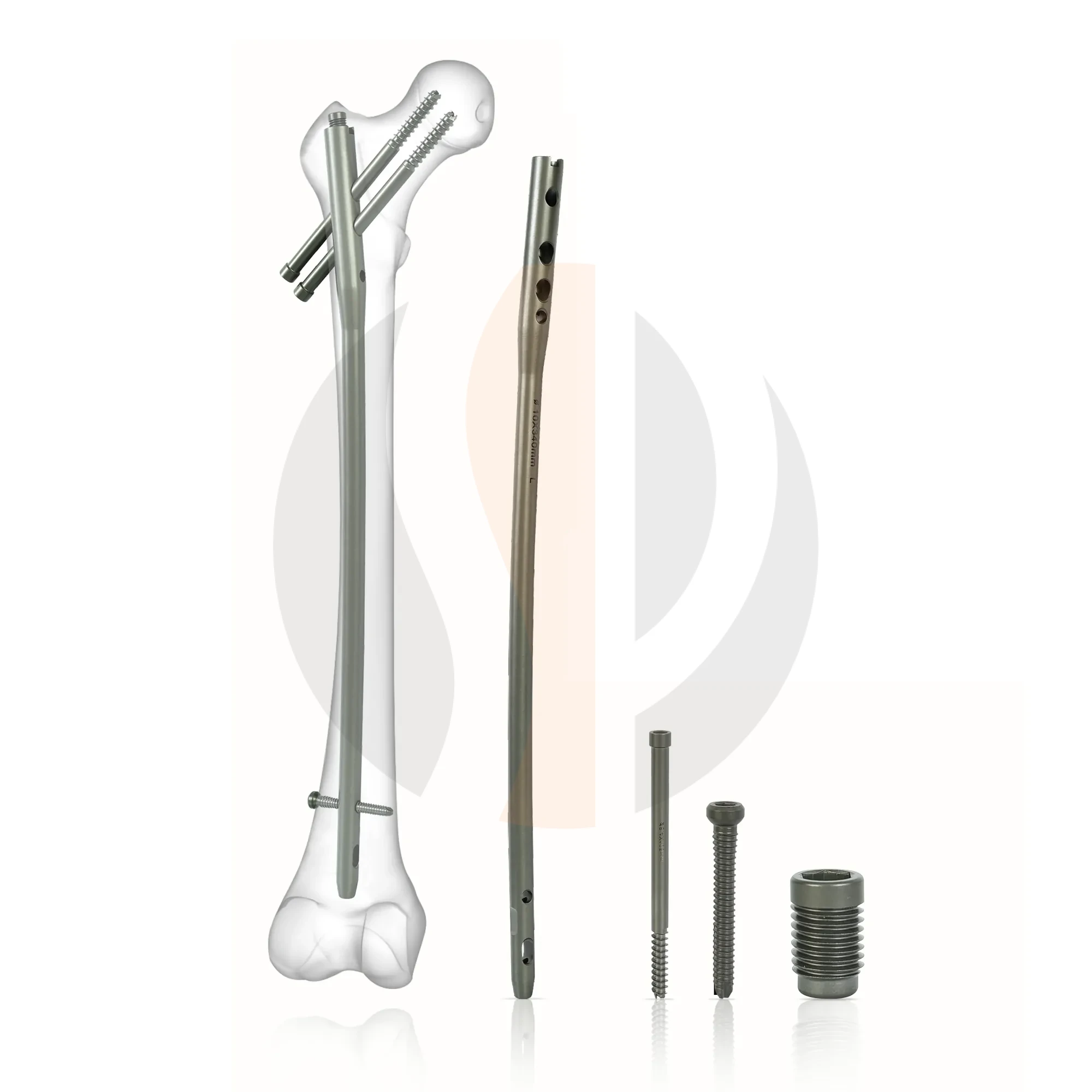
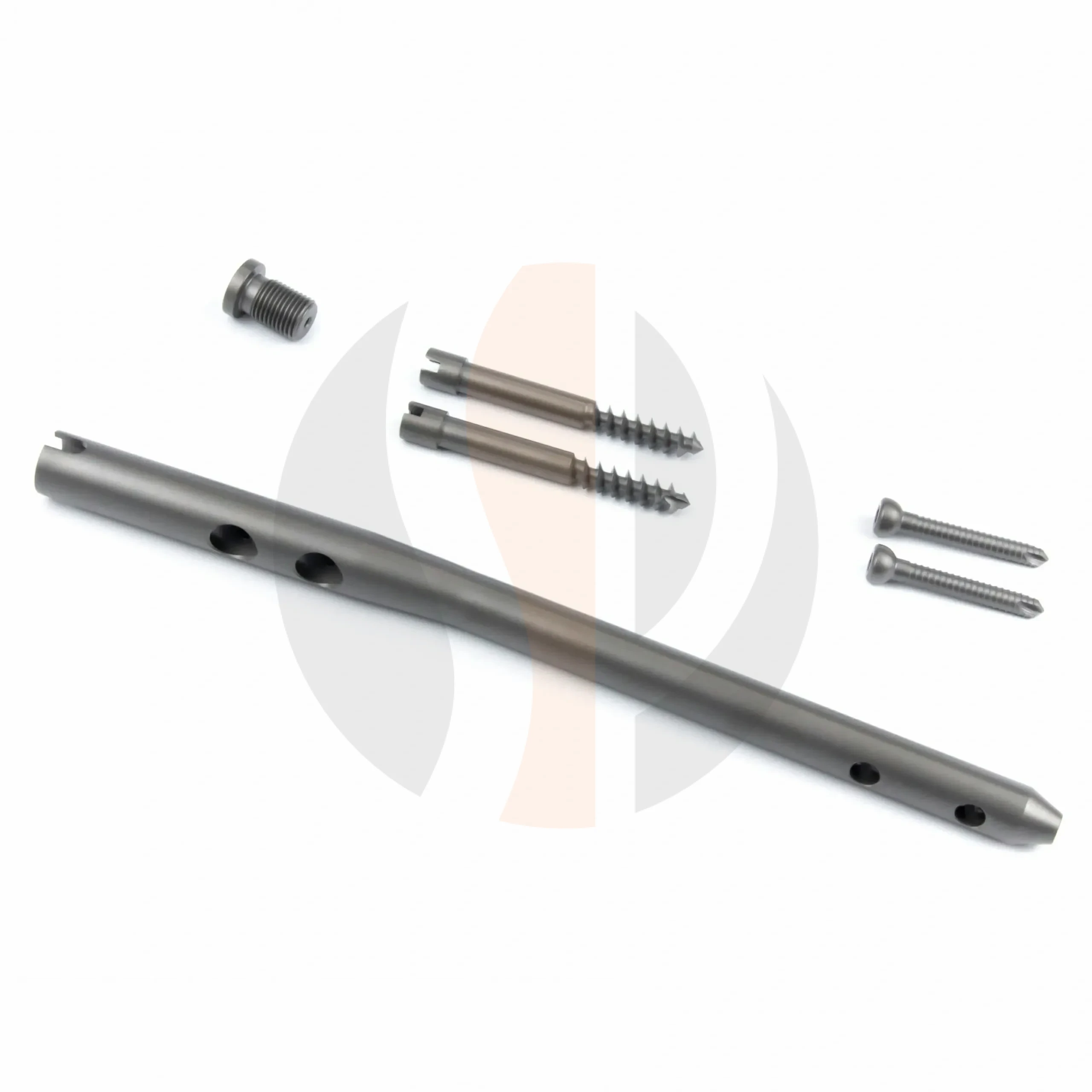
The Femoral Intramedullary Nail is an internal fixation implant used with compatible locking components for selected femoral fracture applications. Positioned within the femoral medullary canal, it forms part of the construct used to maintain the planned alignment of the fracture fragments.
Request available diameters, lengths, material specifications, supported insertion approaches, and matching instruments. Hospitals and distributors can contact our team for product information and an itemized quotation.
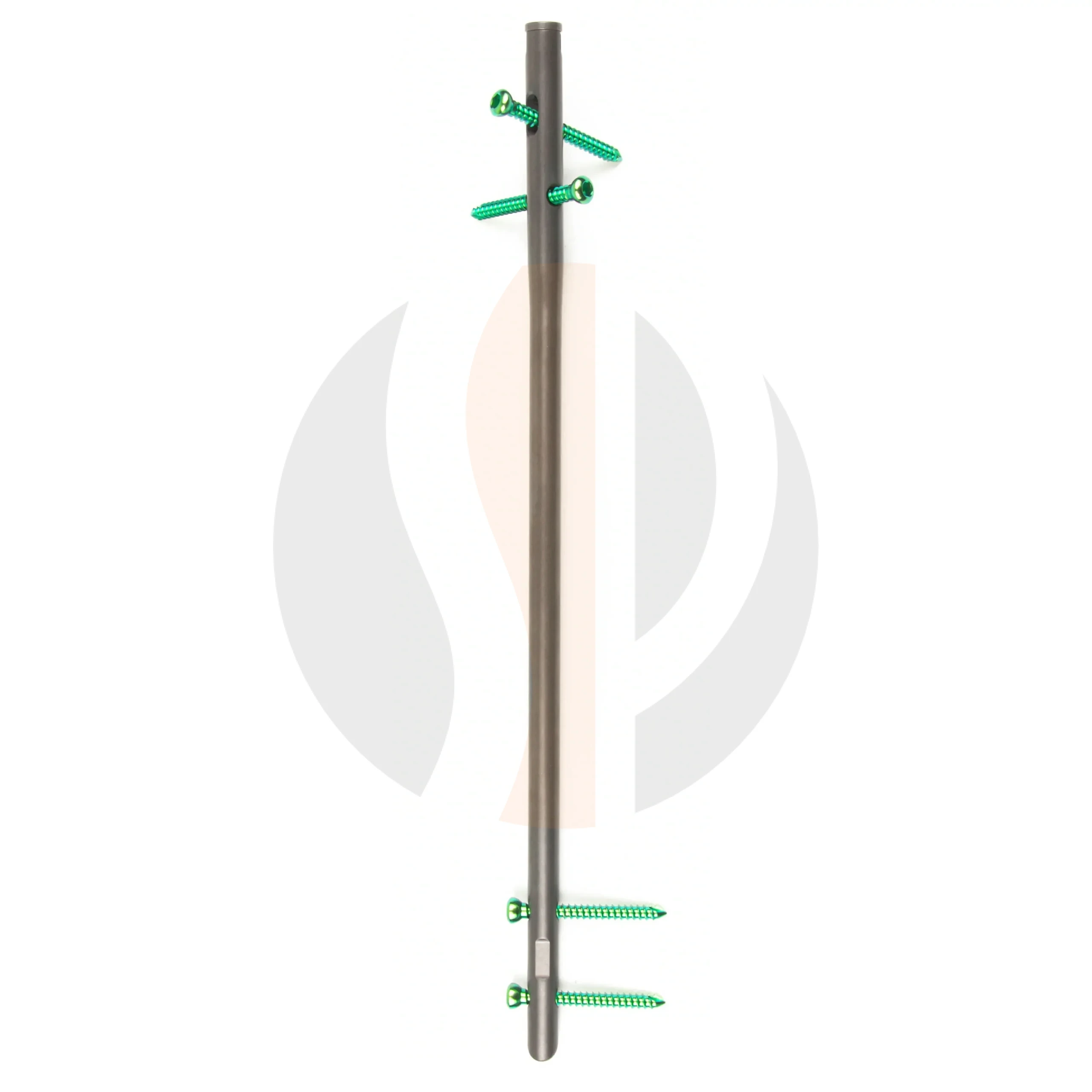
A Femoral Intramedullary Nail, also called a femur intramedullary nail, is an implant positioned inside the femoral medullary canal for selected fracture fixation applications. Compatible locking screws secure the selected construct.
For clinical teams, the important questions concern fracture suitability, implant geometry, and fixation requirements. For purchasing teams, the priority is identifying the exact nail, supporting components, and instruments.
Femoral intramedullary nail fixation places a nail within the bone’s central canal. Locking components contribute to control of rotation and shortening.
The fixation arrangement depends on the fracture and implant design. Nail diameter, length, anatomical configuration, and locking positions must be evaluated together.
Femoral Intramedullary Nail Types
Femoral nailing systems differ by intended approach, anatomical application, and fixation design.
System description
What to establish
Antegrade femoral nail
Supported proximal entry approach and compatible instruments
Retrograde femoral nail
Supported distal entry approach and compatible instruments
Reconstruction configuration
Documented proximal fixation arrangement and indications
Cannulated nail
Compatible guide wire and insertion equipment
Static or dynamic locking configuration
Supported arrangement for the selected construct
These descriptions are not mutually exclusive. A nail may combine several features, but one model should not be assumed to support every configuration.
For a separate product option, review the Expert Femur Nail and its specific documentation.
Product Specifications to Review
A useful specification sheet should identify the implant precisely.
Specification
Information required
Nail diameter
Available sizes and ordering references
Nail length
Available lengths and increments
Anatomical configuration
Side designation, where applicable
Nail geometry
Curvature and proximal profile
Material
Confirmed material specification
Construction
Cannulated or other documented design
Insertion approach
Supported antegrade or retrograde configuration
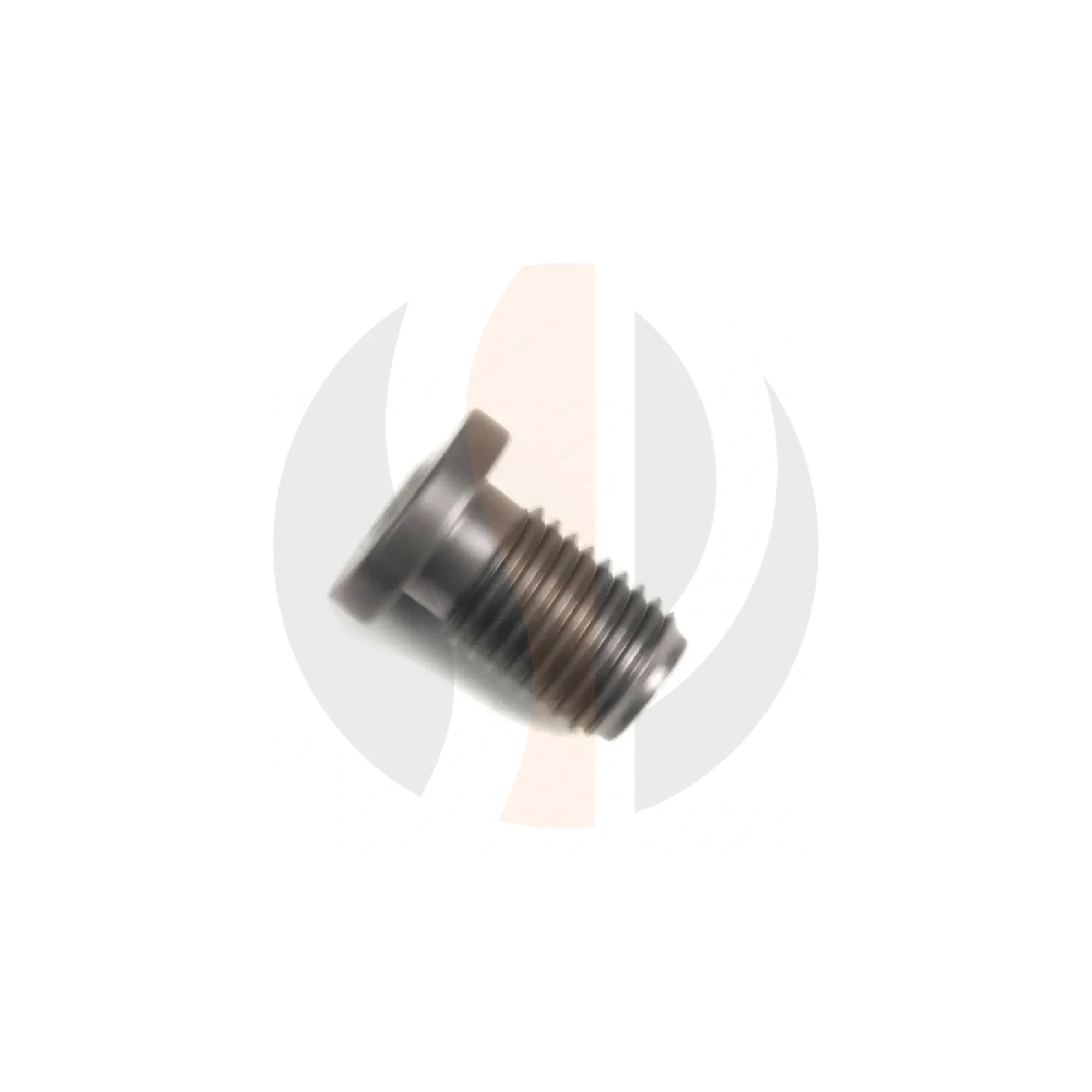
Locking components
Compatible screw references and dimensions
End caps
Matching options and extensions
Instruments
Insertion, locking, and extraction requirements
Supplied condition
Sterile or non-sterile status
Confirm the selected configuration before ordering. A similar appearance or matching screw diameter does not establish compatibility between systems.
Femoral Intramedullary Nail Surgical Technique
A femoral intramedullary nail surgical technique is specific to the implant and clinical circumstances. Broadly, treatment involves fracture reduction, preparation for the selected approach, nail placement, locking, and assessment of the final construct.
This overview is not an operative guide. The surgical team must use the applicable technique manual and instructions for use.
Femoral Intramedullary Nail Insertion: Hip Approach
Antegrade insertion uses a proximal approach. The entry point depends on nail geometry and the planned technique.
A product description should not present different proximal entry points as interchangeable.
Femoral Intramedullary Nail Insertion: Retrograde Approach
Retrograde insertion uses a distal approach near the knee. It requires an implant and instruments documented for that technique.
Do not assume an antegrade nail can also be inserted retrograde unless the product documentation explicitly supports both approaches.
Femoral Intramedullary Nail Radiology and X-ray Assessment
X-rays help clinicians identify the fracture and assess its location and pattern. Imaging also supports planning and evaluation of fixation.
A femoral intramedullary nail X-ray must be interpreted in the clinical context. A single image should not be used independently to establish complete healing or permission to increase activity.
For website illustrations, use appropriately authorized clinical images with accurate captions. Generated implant illustrations should not be presented as patient radiographs.
There is no single rehabilitation protocol suitable for every patient after femoral intramedullary nailing.
The treating team determines permitted weight-bearing, walking aids, exercises, and progression. Walking with assistance, walking independently, and returning to sport are different recovery milestones.
Patients should receive a clear plan covering:
Their current weight-bearing permission.
Required walking aids.
Prescribed physiotherapy.
Follow-up appointments.
When activity can be reassessed.
A general product page should not replace those individual instructions.
Femoral Intramedullary Nail Removal
Removal is not automatically required for every femoral nail. The treating surgeon assesses whether removal is appropriate and discusses its benefits and risks.
Do not promise a standard removal date or describe extraction as universally straightforward. Purchasing teams should confirm the availability of compatible extraction instruments when evaluating the system.
Compatible Components and Instrumentation
A complete purchasing enquiry should identify more than the nail.
Depending on the documented configuration, associated items may include locking screws, end caps, guide wires, insertion handles, targeting equipment, canal preparation instruments, and extraction tools.
Request confirmation of:
Exact implant and component references.
Screw sizes and quantities.
Compatible instrument contents.
Material documentation.
Instructions for use.
Labeling and traceability information.
Applicable product certificates.
Femoral Intramedullary Nail Price and Purchasing Enquiries
To request a femoral intramedullary nail price, provide the required configuration, dimensions, material, quantities, and associated component requirements.
An itemized quotation helps buyers distinguish between a nail-only order and an offer that includes screws, end caps, or instruments.
Hospitals and distributors preparing enquiries for Africa, Latin America, or Russia should include the destination country and documentation requirements. Availability and destination-specific requirements must be confirmed for the order.
These resources explain general clinical principles. They do not establish the indications, compatibility, or approval of a specific product.
FAQs
Do femoral nails need to be removed?
Not routinely in every case. Removal is an individual clinical decision based on the patient’s circumstances and the surgeon’s assessment.
How long does it take to walk after an intramedullary nail?
There is no universal date. Permission to walk and increase weight-bearing depends on the injury, fixation, and treating team’s assessment.
Is intramedullary nailing a major surgery?
Femoral fracture fixation is a significant orthopedic operation. Small incisions do not mean the procedure is minor or risk-free.
What are the different types of intramedullary nailing?
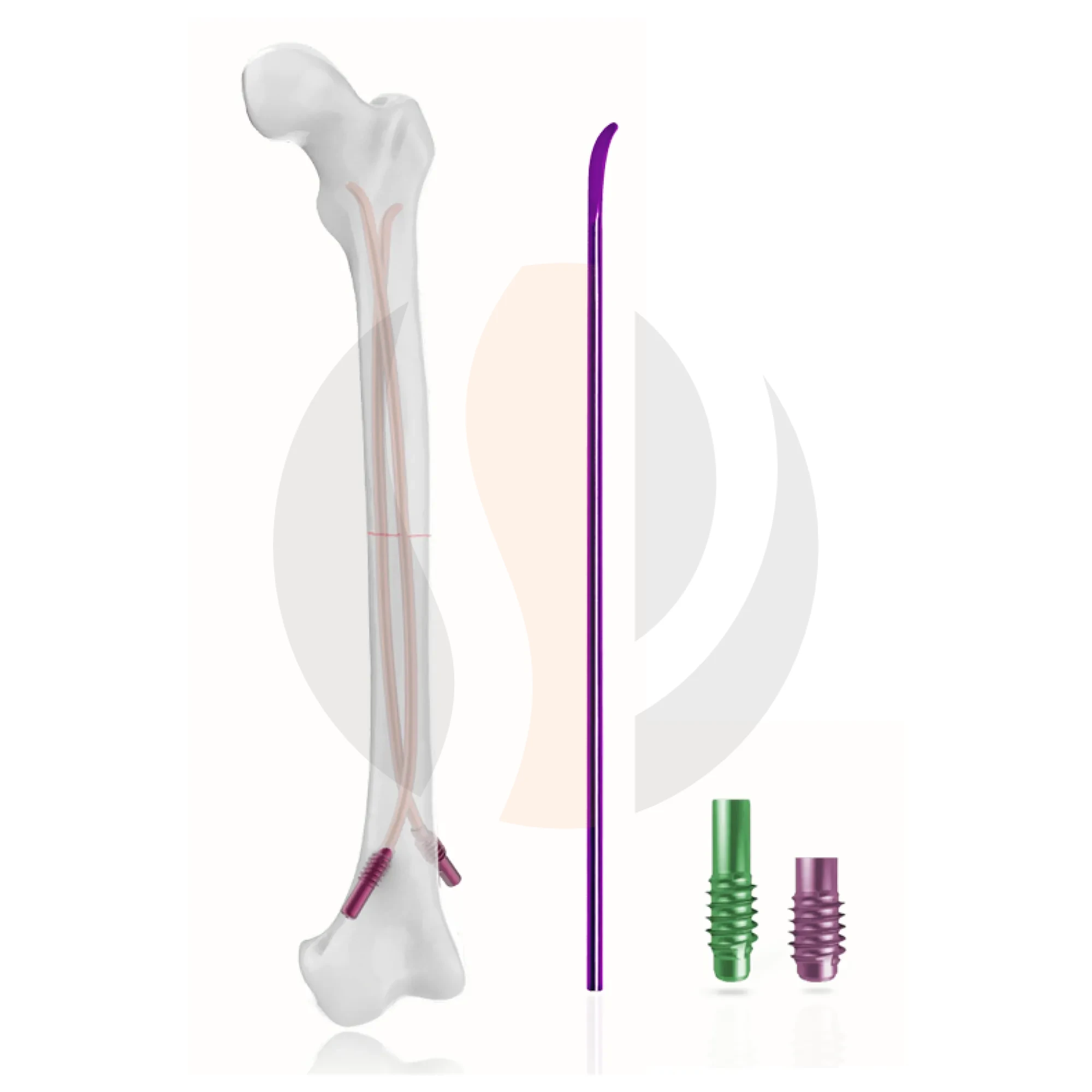
Common distinctions include antegrade and retrograde approaches, different anatomical designs, and product-specific locking configurations. Flexible elastic nailing is a separate fixation concept used in selected circumstances.
What does a femoral intramedullary nail X-ray show?
It can show the implant and fracture appearance. Interpretation and decisions about healing or activity require clinical assessment.
Can one nail be used for both hip and knee insertion?
Only if the specific implant is documented for both approaches. Confirm the required configuration and instruments.
Are screws and instruments included with the nail?
Check the quotation. Associated components and instrument sets may be listed separately.
How do I request a quotation?
Send the required nail dimensions, configuration, quantities, screws, end caps, and instrument needs through the contact page.