WHX Dubai 2027
"January 25–28, 2027
Dubai Exhibition Centre, UAE"
AAOS 2027
"March 3–6, 2027
Venetian Convention & Expo Center, Las Vegas, Nevada, USA"
Tibia Intramedullary Nail
Tibia Intramedullary Nail
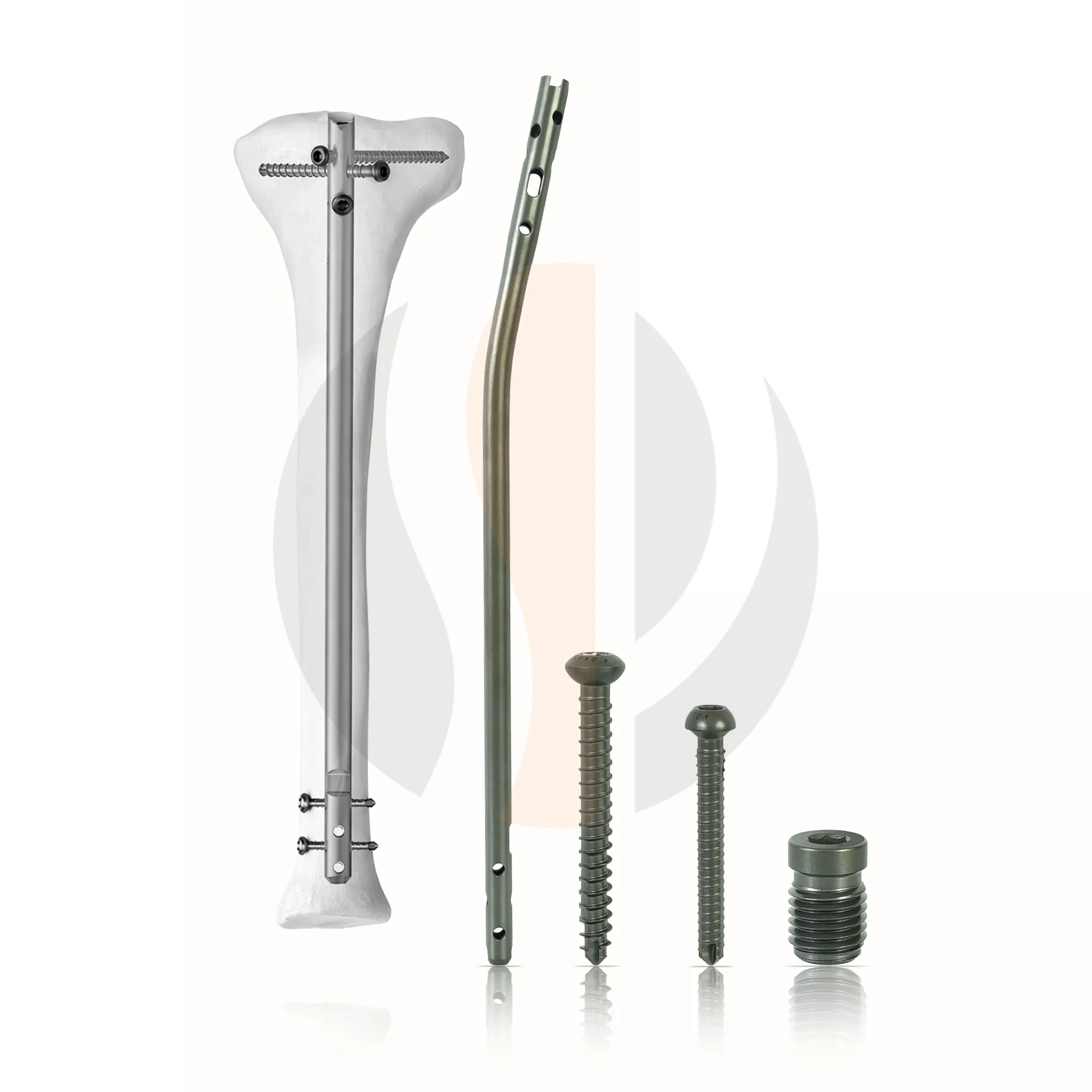
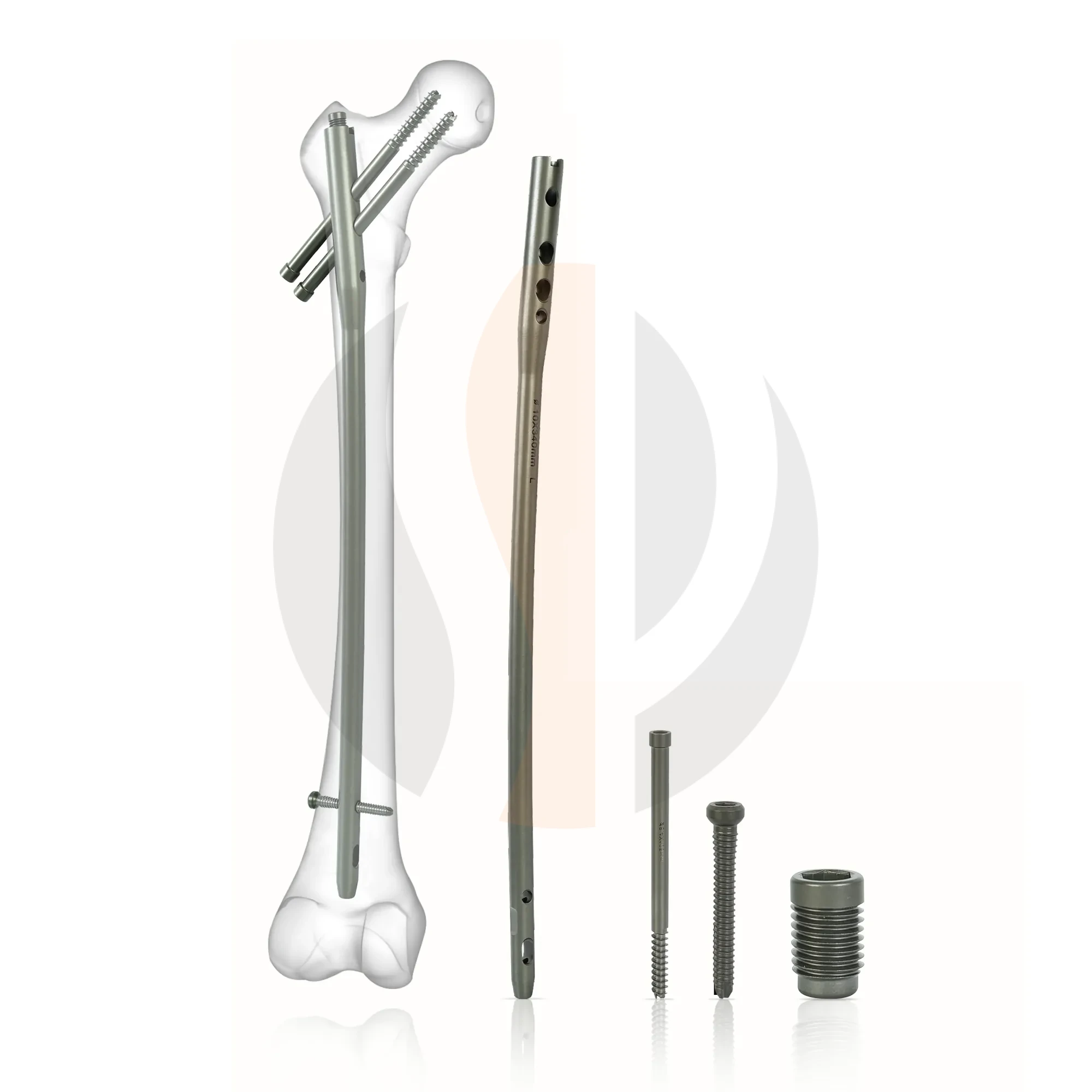
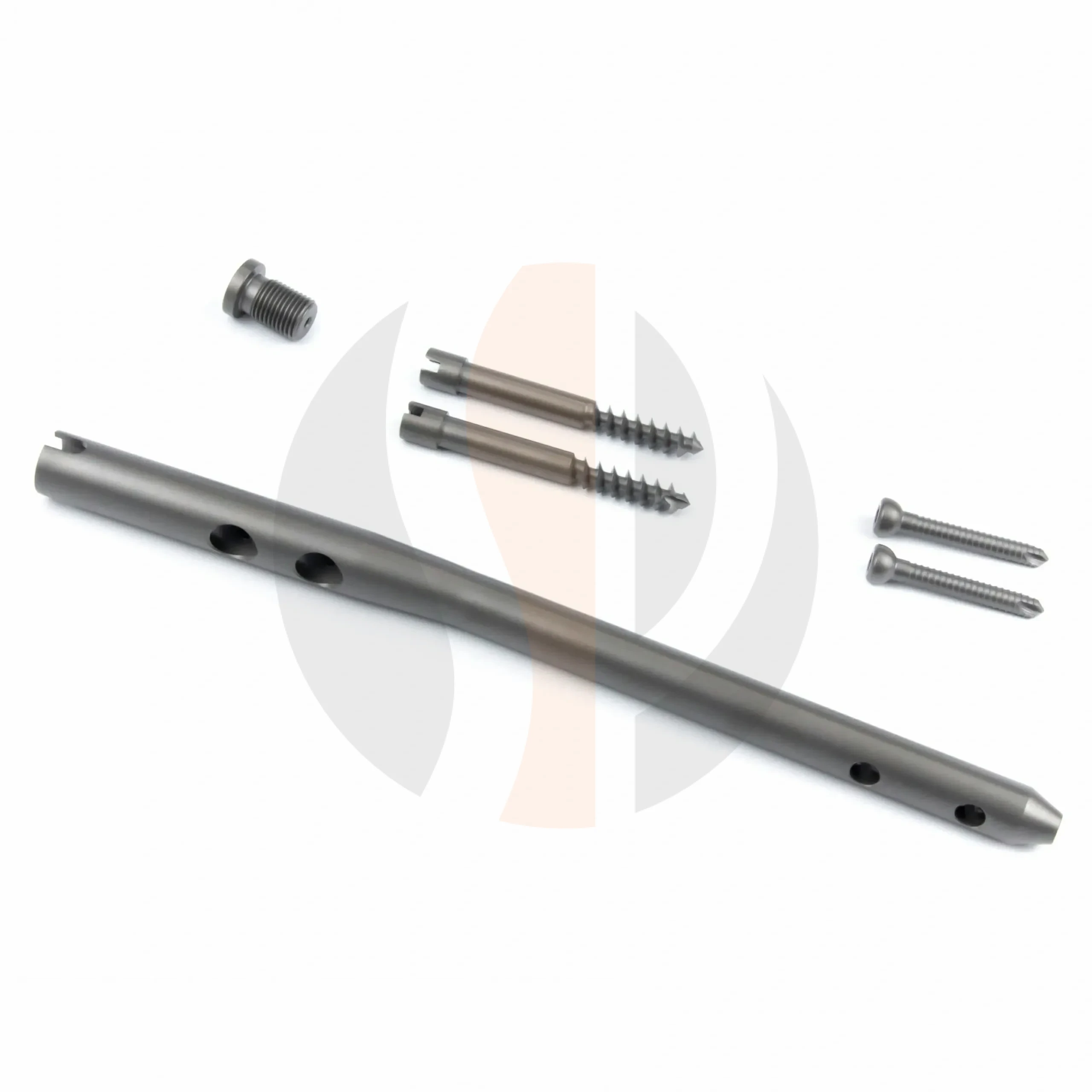
Tibia Intramedullary Nail by Stahlmann Pro is a TC4 titanium alloy implant for intramedullary stabilization of selected adult tibial fractures. Its cannulated construction, anatomical profile, and multiple proximal and distal locking options support configuration according to the fracture and treatment plan. The catalogue lists diameters from 8–12 mm and lengths from 255–375 mm. Minimum order quantity is one piece, with a stated delivery timeframe of 5–15 days, subject to confirmation.
Tibia Intramedullary Nail by Stahlmann Pro is an orthopedic implant designed for internal stabilization of selected adult tibial fractures. Presented in the catalogue as the Expert Tibia Nailing System, it combines cannulated construction, anatomical geometry, and multiple proximal and distal locking options.
The implant is positioned within the tibia’s medullary canal and secured using compatible locking components. Its role is to support fracture stabilization while the surgical team maintains the required length, alignment, and rotational relationship between the fragments.
Stahlmann Pro welcomes enquiries from orthopedic surgeons, hospitals, procurement teams, and medical distributors in Africa, Latin America, and Russia.
Tibia Intramedullary Nail Features and Benefits
Anatomical Profile
The nail incorporates an anatomical profile and proximal bend intended to accommodate tibial anatomy. Correct sizing and positioning remain essential because canal dimensions and fracture geometry vary between patients.
The shaped design does not independently guarantee protection of the patellar tendon or knee joint structures. Surgical entry-point selection must follow the implant’s instructions and the planned approach.
Cannulated Construction
The cannulated design supports insertion over a compatible guide wire. The catalogue describes reamed and selected unreamed applications, according to the implant configuration and clinical requirements.
Solid tibial nails for unreamed techniques are listed as available on special request. Confirm their dimensions, product codes, and instrument requirements separately.
Multiple Locking Options
Proximal and distal locking positions provide options for controlling axial movement and rotation. The selected arrangement depends on fracture location, available bone fixation, and the stability required.
Range of Implant Sizes
The catalogue lists diameters from 8–12 mm and lengths from 255–375 mm. These options support implant selection, but no size range guarantees suitability for every patient.
Multiple proximal locking positions provide options for selected proximal tibial fractures. Their different orientations allow fixation to be planned within the available proximal fragment.
The surgeon evaluates fracture geometry, bone stock, and alignment before choosing the screw configuration. Multiple locking holes do not make every proximal fracture suitable for nailing.
Diaphyseal Segment Fixation
For tibial shaft fractures, proximal and distal locking help maintain the selected relationship between the fracture fragments.
Static locking restricts axial movement through the construct. Dynamic locking permits defined axial movement through a designated slot while maintaining rotational control. Its suitability depends on the fracture and the risk of shortening.
Distal Segment Fixation
The specification page describes two mediolateral locking holes and one anteroposterior locking hole distally.
These positions offer fixation options for selected distal fractures when sufficient bone is available for locking screw purchase. Screw number and orientation depend on the fracture and the selected nail configuration.
Indications Described in the Catalogue
The supplied catalogue identifies adult applications in the proximal, shaft, and distal tibia. These descriptions must be considered alongside the product’s applicable instructions and the treating surgeon’s assessment.
Application
Catalogue-listed description
Proximal tibial fractures
Selected AO/OTA 41-A1, 41-A2, and 41-A3 patterns
Tibial shaft fractures
AO/OTA 42-A, 42-B, and 42-C patterns, including simple, wedge, and complex configurations
Distal tibial fractures
Selected extra-articular AO/OTA 43-A1, 43-A2, and 43-A3 patterns with sufficient distal bone stock
Combined fracture patterns
Selected fractures involving metaphyseal and diaphyseal regions
Selected tibial lesions requiring consideration of prophylactic stabilization
Fracture classification alone does not establish suitability. Soft-tissue condition, infection risk, bone quality, and patient factors also influence treatment.
Open fractures require individual assessment and appropriate management of contamination and soft-tissue injury. Intramedullary nailing should not be described as the automatic first choice for every open fracture.
Consult the product instructions for the complete contraindications, warnings, and precautions.
Tibia Intramedullary Nail Specifications
Specification
Product detail
Product name
Tibia Intramedullary Nail
Catalogue name
Expert Tibia Nailing System
Brand
Stahlmann Pro
Supplied material specification
TC4 titanium alloy
Construction
Cannulated
Diameters
8, 9, 10, 11, and 12 mm
Lengths
255, 270, 285, 300, 315, 330, 345, 360, and 375 mm
Length increments
15 mm
Proximal locking
Multiple positions, including static and dynamic options
Distal locking
Two mediolateral holes and one anteroposterior hole
Distal bolt diameter stated in catalogue
4.4 mm
Special-request option
Solid tibial nails for unreamed techniques
Minimum order quantity
1 piece
OEM option
Available, subject to agreed requirements
Packaging
PE inner bag and carton
Stated delivery timeframe
5–15 days, subject to confirmation
Shipping
DHL, UPS, and FedEx, subject to destination availability
Confirm the material documentation, supplied sterile or non-sterile condition, and processing requirements for the ordered product.
Nail Sizes and Product Codes
The following code pairs are readable in the supplied catalogue. Confirm the selected code and dimensions when requesting a quotation.
Diameter
Length
Catalogue code
Titanium code
8 mm
255 mm
6-210-08255
6-210-08255Ti
8 mm
270 mm
6-210-08270
6-210-08270Ti
8 mm
285 mm
6-210-08285
6-210-08285Ti
8 mm
300 mm
6-210-08300
6-210-08300Ti
8 mm
315 mm
6-210-08315
6-210-08315Ti
8 mm
330 mm
6-210-08330
6-210-08330Ti
8 mm
345 mm
6-210-08345
6-210-08345Ti
8 mm
360 mm
6-210-08360
6-210-08360Ti
8 mm
375 mm
6-210-08375
6-210-08375Ti
9 mm
255 mm
6-210-09255
6-210-09255Ti
9 mm
270 mm
6-210-09270
6-210-09270Ti
9 mm
285 mm
6-210-09285
6-210-09285Ti
9 mm
300 mm
6-210-09300
6-210-09300Ti
9 mm
315 mm
6-210-09315
6-210-09315Ti
9 mm
330 mm
6-210-09330
6-210-09330Ti
9 mm
345 mm
6-210-09345
6-210-09345Ti
9 mm
360 mm
6-210-09360
6-210-09360Ti
9 mm
375 mm
6-210-09375
6-210-09375Ti
10 mm
255 mm
6-210-10255
6-210-10255Ti
10 mm
270 mm
6-210-10270
6-210-10270Ti
10 mm
285 mm
6-210-10285
6-210-10285Ti
10 mm
300 mm
6-210-10300
6-210-10300Ti
10 mm
315 mm
6-210-10315
6-210-10315Ti
10 mm
330 mm
6-210-10330
6-210-10330Ti
10 mm
345 mm
6-210-10345
6-210-10345Ti
10 mm
360 mm
6-210-10360
6-210-10360Ti
10 mm
375 mm
6-210-10375
6-210-10375Ti
11 mm
270 mm
6-210-11270
6-210-11270Ti
11 mm
285 mm
6-210-11285
6-210-11285Ti
11 mm
300 mm
6-210-11300
6-210-11300Ti
11 mm
315 mm
6-210-11315
6-210-11315Ti
11 mm
330 mm
6-210-11330
6-210-11330Ti
11 mm
345 mm
6-210-11345
6-210-11345Ti
11 mm
360 mm
6-210-11360
6-210-11360Ti
11 mm
375 mm
6-210-11375
6-210-11375Ti
12 mm
270 mm
6-210-12270
6-210-12270Ti
12 mm
285 mm
6-210-12285
6-210-12285Ti
12 mm
300 mm
6-210-12300
6-210-12300Ti
12 mm
315 mm
6-210-12315
6-210-12315Ti
12 mm
330 mm
6-210-12330
6-210-12330Ti
12 mm
345 mm
6-210-12345
6-210-12345Ti
12 mm
360 mm
6-210-12360
6-210-12360Ti
12 mm
375 mm
6-210-12375
6-210-12375Ti
The supplied code listing does not include identifiers for the 11 × 255 mm or 12 × 255 mm configurations. Enquire about availability and codes before ordering.
End Caps and Locking Screws
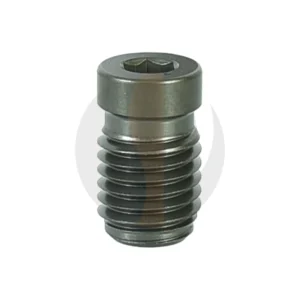
End Cap
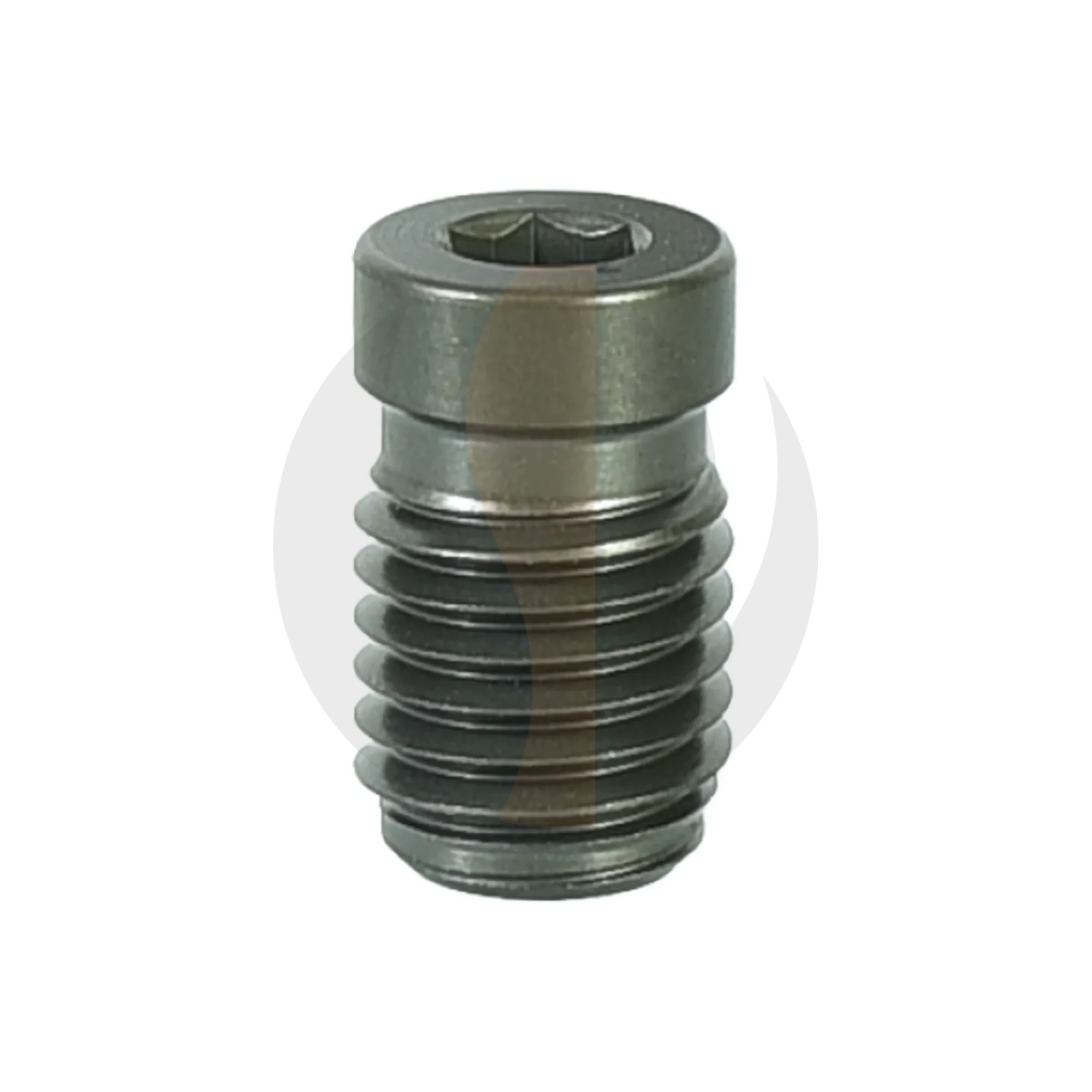
The end cap engages the nail’s proximal internal thread and is designed to limit tissue ingrowth into the proximal opening. The component description lists a flush 0 mm option and 5, 10, and 15 mm extensions. The code page additionally lists a 20 mm option.
Select the appropriate extension according to nail position and product instructions.
Length
Catalogue code
Titanium code
0 mm
6-212-00
6-212-00Ti
5 mm
6-212-05
6-212-05Ti
10 mm
Request confirmed code
Request confirmed code
15 mm
6-212-15
6-212-15Ti
20 mm
6-212-20
6-212-20Ti
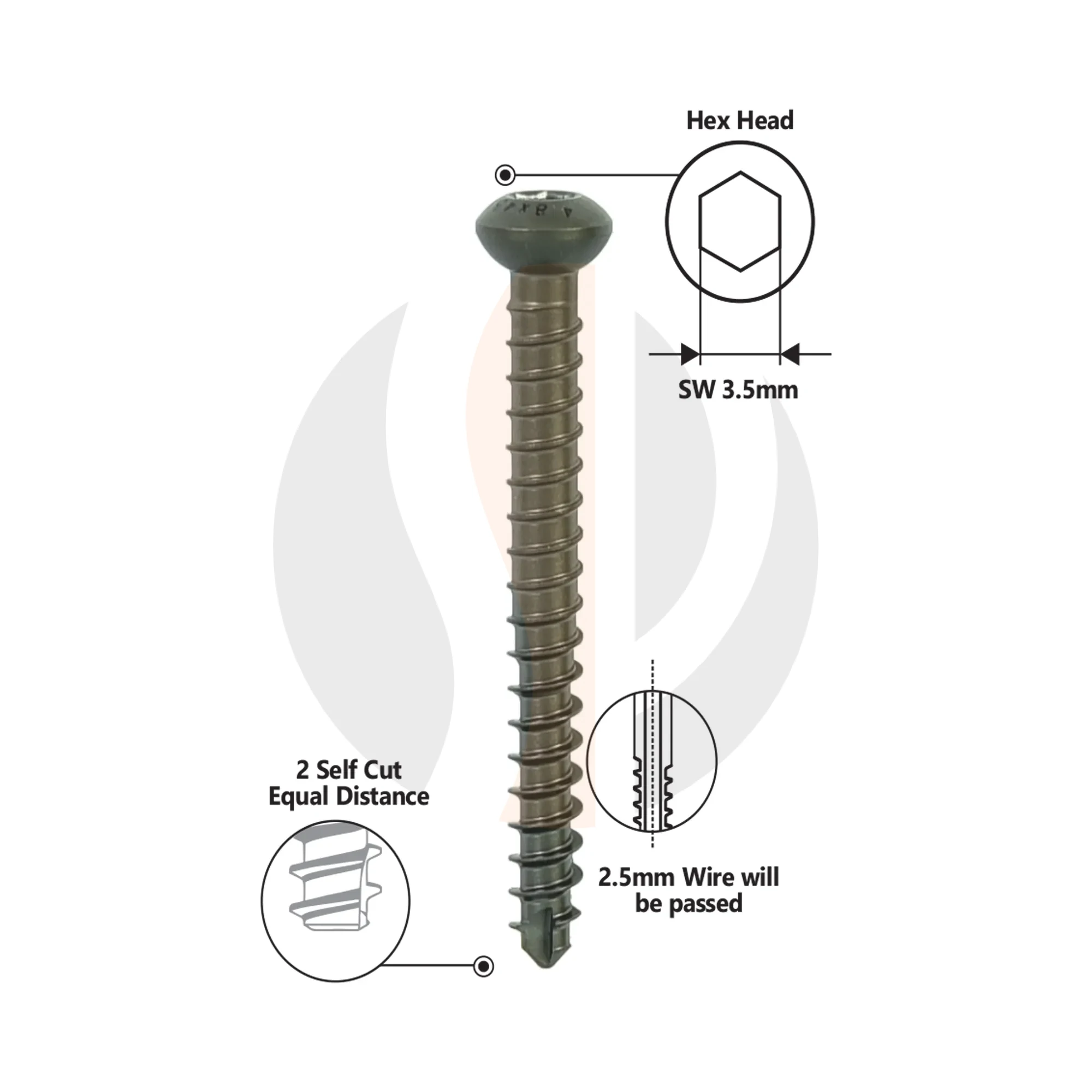
Ø4.8 mm Self-Tapping Locking Screw
The 4.8 mm locking screw features a self-tapping thread and 3.5 mm hexagonal drive. Screw length, quantity, and placement depend on the planned fixation.
Feature
Specification
Diameter
4.8 mm
Thread
Self-tapping
Drive
3.5 mm hexagonal
Component-page length range
25–90 mm
Code-listed lengths
As shown below
Length
Catalogue code
Titanium code
26 mm
6-214-26
6-214-26Ti
28 mm
6-214-28
6-214-28Ti
30 mm
6-214-30
6-214-30Ti
32 mm
6-214-32
6-214-32Ti
34 mm
6-214-34
6-214-34Ti
36 mm
6-214-36
6-214-36Ti
38 mm
6-214-38
6-214-38Ti
40 mm
6-214-40
6-214-40Ti
42 mm
6-214-42
6-214-42Ti
44 mm
6-214-44
6-214-44Ti
46 mm
6-214-46
6-214-46Ti
48 mm
6-214-48
6-214-48Ti
50 mm
6-214-50
6-214-50Ti
52 mm
6-214-52
6-214-52Ti
54 mm
6-214-54
6-214-54Ti
56 mm
6-214-56
6-214-56Ti
58 mm
6-214-58
6-214-58Ti
60 mm
6-214-60
6-214-60Ti
62 mm
6-214-62
6-214-62Ti
64 mm
6-214-64
6-214-64Ti
66 mm
6-214-66
6-214-66Ti
68 mm
6-214-68
6-214-68Ti
70 mm
6-214-70
6-214-70Ti
72 mm
6-214-72
6-214-72Ti
74 mm
6-214-74
6-214-74Ti
76 mm
6-214-76
6-214-76Ti
78 mm
6-214-78
6-214-78Ti
80 mm
6-214-80
6-214-80Ti
82 mm
6-214-82
6-214-82Ti
84 mm
6-214-84
6-214-84Ti
85 mm
6-214-85
6-214-85Ti
90 mm
Request confirmed code
Request confirmed code
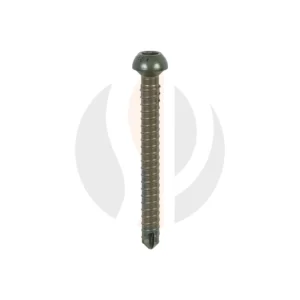
Ø4.4 mm Self-Tapping Locking Screw
[IMAGE 9: 4.4 mm locking screw with drive and tip details]
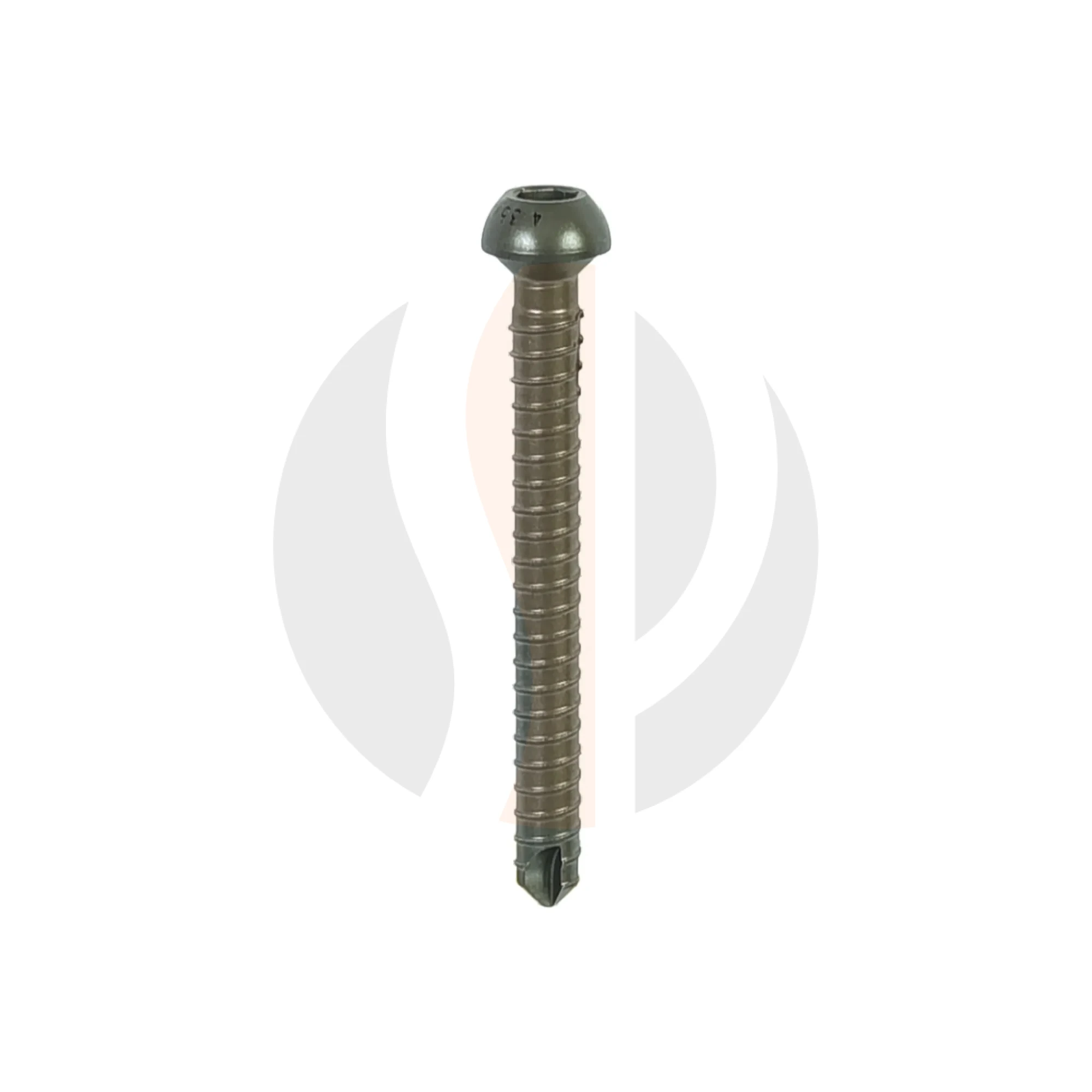
The nail specification page identifies 4.4 mm locking bolts for the distal holes. The component description lists a self-tapping thread, 3.5 mm hexagonal drive, and lengths from 24–88 mm.
Feature
Component-page specification
Diameter
4.4 mm
Thread
Self-tapping
Drive
3.5 mm hexagonal
Length range
24–88 mm
Stated increments
2 mm
Product codes
Request verified component listing
Confirm the component’s dimensions and compatible instrumentation before purchasing.
Tibia Intramedullary Nail Insights
Load-Sharing Fixation
The nail’s position within the medullary canal allows it to form part of a load-sharing construct. Locking components help control length, rotation, and alignment.
Mechanical performance depends on the implant dimensions, fracture geometry, bone quality, and fixation arrangement. Neither titanium construction nor intramedullary placement alone guarantees resistance to fatigue failure.
Surgical Planning
The surgical team selects the entry approach, guide wire, canal preparation, and locking technique according to the implant instructions and clinical circumstances.
Compatible targeting equipment assists proximal screw placement. Distal locking may use fluoroscopic freehand techniques or other supported instrumentation. Correct assembly and positioning must still be verified.
Postoperative Care
Knee and ankle movement, rehabilitation, and weight-bearing follow the treating surgeon’s instructions. Follow-up imaging is scheduled according to clinical needs rather than a universal timetable.
Reusable instruments must be cleaned, inspected, and processed using their validated instructions. A generic sterilization temperature should not replace the specified processing cycle.
Implants must be handled according to their labeling. Devices labeled for single use must not be reused.
Stahlmann Pro welcomes Tibia Intramedullary Nail enquiries from Africa, Latin America, and Russia. Provide the required product codes, dimensions, quantities, compatible components, and destination.
For tenders, include the requested documentation, labeling, and traceability requirements. Explore the Trauma Implants range or contact the team for a quotation.
Can the Tibia Intramedullary Nail be used near the ankle?
Selected distal extra-articular fractures may be suitable when the nail configuration and remaining bone permit adequate fixation. Fracture location alone does not establish suitability.
Is reamed or unreamed nailing better?
The choice depends on the fracture, patient, implant, and treatment plan. The catalogue describes reamed and selected unreamed applications, with solid nails available on special request. Neither technique is universally preferable.
Can knee discomfort occur after surgery?
Yes. Knee discomfort can occur after tibial nailing. Surgical approach, implant position, and other factors may contribute; anatomical design does not guarantee prevention of pain.
Can the nail be removed after healing?
Removal may be considered after clinical assessment. It is not required at a fixed interval for every patient and should not automatically be described as a minor procedure.
How does the targeting jig assist locking?
A compatible targeting assembly guides instruments toward the proximal locking holes. Correct assembly, instrument condition, and positioning remain essential.
Are screws and instruments included?
Confirm the quotation’s contents. The nail, screws, end caps, and instrument set should not be assumed to be supplied together.