
External Fixation System: Types, Uses, Surgery and Buying Guide
An External Fixation System supports bone stabilization through pins or wires connected to a frame outside the body. Orthopedic surgeons may select external fixation for temporary stabilization or as the main treatment during fracture healing. The choice depends on the injury, surrounding soft tissues and overall treatment plan.
For hospitals and orthopedic distributors in Africa and Latin America, understanding these systems also supports accurate purchasing. A complete enquiry should identify the frame configuration, component dimensions, compatible instruments and required documentation.
This guide explains external fixator types, device examples, application, removal considerations and the difference between external and internal fixation. It also provides practical guidance for comparing products, requesting an external fixator quotation and selecting replacement components.
What Is an External Fixation System?
An external fixation system combines bone attachments with an external supporting structure. Depending on its design, the assembly may include half pins, wires, rods, rings, clamps and connecting elements.
The assembled arrangement is often called a construct. Its appearance varies according to the anatomical region and treatment objective.
A complete system should be distinguished from an instrument set or an individual connector. A coupling is one component within a construct. An instrument tray supports particular tasks but does not necessarily contain the frame components.
This distinction matters when reviewing catalogues. Buyers should request an itemized list rather than assume that a product photograph represents everything included in the quotation.
How Does External Fixation Work?
In a modular rod-based arrangement, pins connect individual bone fragments to external rods. Connecting components join these sections into a supporting frame.
AO Surgery Reference describes a modular construct with partial frames joined through a connecting rod. It also explains that frame arrangement and component positioning affect mechanical behavior. These principles require professional assessment rather than selection from appearance alone.
| Component | General role |
|---|---|
| Half pins or wires | Connect bone to the external structure |
| Rods or rings | Form the supporting frame |
| Pin-to-rod clamps | Join compatible pins and rods |
| Rod-to-rod couplings | Connect compatible rods |
| Connecting rods or struts | Link sections of the selected construct |
| Dedicated instruments | Support system-specific preparation and assembly |
The final component combination must follow the selected system’s documentation.
What Are the Three Types of External Fixators?
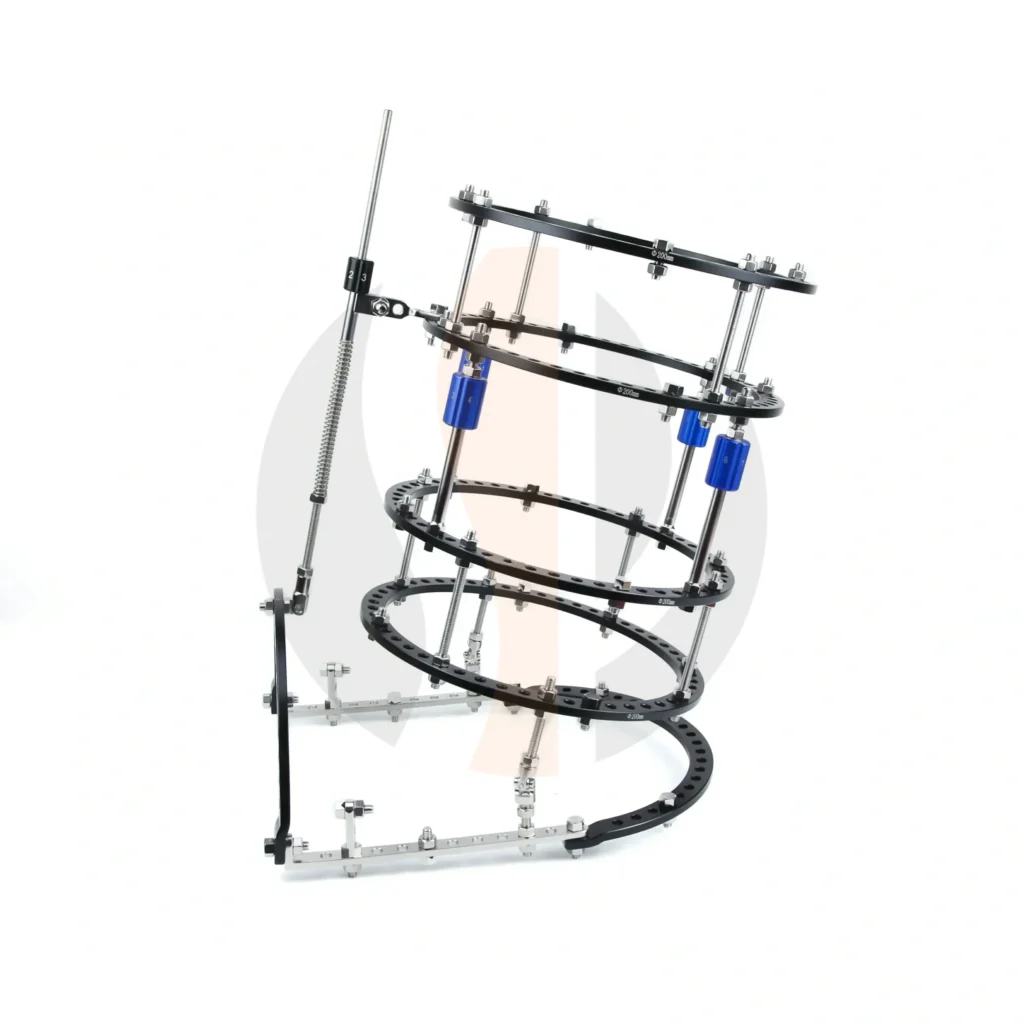
Three commonly described external fixator types are monolateral, circular and hybrid configurations. Classification varies, with some resources describing monolateral and circular frames as the two main groups.
Monolateral External Fixators
A monolateral fixator generally has a supporting structure positioned along one side of the limb. Half pins connect the bone to the external bar or rod arrangement.
Circular External Fixators
Circular systems use rings or partial rings around the limb. Bone attachments may include wires, half pins or both. Ilizarov-type frames and hexapod frames belong to this broader group, although their connecting mechanisms differ.
Hybrid External Fixators
A hybrid configuration combines ring-based fixation with unilateral rod-and-pin elements.
These names describe structural approaches. They do not establish that components from different systems are interchangeable.
External Fixation Device Examples
External fixation device examples include rod-based modular frames, circular ring frames and hybrid arrangements. For product research, it is helpful to separate complete systems from instruments and replacement connectors.
Stahlmann Pro product pages include the Ilizarov Type External Fixator System, the Hoffmann-Type External Fixation Small Fragment Set and the Hoffmann-Type External Fixation Large Fragment Set.
When comparing these options, request the available configurations, component dimensions and itemized contents. Confirm the intended applications in the applicable instructions.
A product name provides a starting point for an enquiry. It should not replace the detailed specification required by the surgical team or purchasing department.
What Are the Different Types of External Fixation Methods?
External fixation methods can be described by their treatment purpose.
Temporary stabilization supports the injured region while further treatment is planned. Definitive fixation remains the selected approach during healing. Reconstructive fixation may support selected bone-correction or lengthening procedures.
These descriptions differ from frame categories. “Circular” describes a configuration, while “temporary” describes its role in a treatment plan.
Damaged soft tissues may influence the timing of internal fixation and the use of an external frame. In other cases, the external construct remains the main treatment. The treating surgeon determines the appropriate approach.
What Is the Difference Between ORIF and External Fixation?
ORIF uses open reduction and internal implants to stabilize a fracture. External fixation connects bone to a supporting frame outside the body.
Open reduction means surgically exposing and repositioning the fracture. An internal fixation device may include a plate, screw, nail or wire.
| Feature | ORIF | External fixation |
|---|---|---|
| Supporting hardware | Internal implants | External frame |
| Common components | Plates, screws, nails or wires | Pins, wires, rods, rings and connectors |
| Skin relationship | Incisions generally close over implants | Bone attachments pass through the skin |
| Treatment selection | Based on clinical assessment | Based on clinical assessment |
Neither method is automatically preferable for every injury. The surgical team considers the fracture and surrounding tissues when planning treatment.
External Fixator Application and Surgery
External fixator application requires clinical planning, suitable instruments and professional assessment. The surgical team places the bone attachments, assembles the construct and evaluates the planned alignment and stability.
The details of external fixation surgery vary between anatomical regions and systems. This overview does not provide an implantation technique.
Patients can ask why the frame has been selected, whether further surgery is expected and which restrictions will apply afterward.
Professionals searching for “external fixation AO” can consult AO Surgery Reference. Searches such as “external fixation Orthobullets” may also lead to educational summaries. Learning resources should accompany the selected device’s instructions rather than replace them.
External Fixator Foot and Ankle Considerations
An external fixator foot enquiry may concern a fracture, reconstruction or correction procedure. These are different treatment situations and require an appropriate specification.
For purchasing, identify whether the request concerns an assembled frame, individual attachments, replacement connectors or instruments. Provide the components requested by the clinical team.
A foot-shaped frame in a photograph does not establish suitability for a particular diagnosis. Confirm the intended use and available configuration through the applicable product documentation.
This approach also helps avoid ordering an incomplete package. Where a quotation includes only selected components, any additional instruments or attachments should be identified before purchase.
External Fixator Removal Time
External fixator removal time varies according to the treatment objective and assessment of healing. There is no universal removal date.
A temporary frame has a different role from a construct intended to remain during healing or reconstruction. Follow-up examinations and imaging help the treating team assess progress.
Patients should ask what findings will guide removal and whether a brace, cast or activity restrictions will be needed afterward.
Comparing recovery dates with another patient can be misleading. Their injury, treatment and healing progress may be different. The removal decision belongs to the treating team.
Is External Fixator Removal Painful?
External fixator removal can cause discomfort or pain. The experience depends on the frame, attachment sites and removal method.
The clinical team should explain the planned setting and pain-control approach beforehand. Published research describes circular frame removal under general anesthesia and selected outpatient removal using regional anesthesia.
Patients should ask what to expect during removal, how discomfort will be managed afterward and whether someone should accompany them.
Removal should not be described as universally painless. Equally, another patient’s experience does not predict exactly what an individual will feel.
What Is the Most Serious Disadvantage of an External Fixator?
Infection is a major concern because pins and wires pass through the skin toward bone. Infection at an attachment site can become more serious if it spreads deeper.
There is no single complication that is the most serious in every case. Potential problems also include stiffness, fixation difficulties and injury to nearby structures.
Increasing pain, spreading redness, discharge, swelling or fever should prompt contact with the treating team. Severe symptoms require urgent assessment.
Patients should receive clear instructions about whom to contact and how to obtain help between scheduled appointments.
Recovery, Mobility and Daily Care
Recovery requires instructions tailored to the treatment plan. These should address pin-site care, permitted movement, walking aids, weight-bearing and follow-up.
An external frame does not automatically permit unrestricted walking. Patients should follow the activity limits provided by their team.
Before discharge, confirm where reviews will take place, who will provide dressings and what to do if equipment appears loose or damaged. Frame adjustments should only be performed when specifically instructed and trained.
A written plan gives patients and caregivers a practical reference. It also helps clarify which questions require advice from the treating team.
External Fixation Instrument Sets
An external fixation instrument set should be reviewed alongside the selected components. Buyers need to understand which tasks the supplied instruments support and which system they belong to.
Explore the External Fixator Instrument Set and External Fixator Instrument Set II when preparing an enquiry.
Request an inventory showing instrument names, dimensions and quantities. Confirm whether trays and accessories are included.
For reusable items, obtain the applicable cleaning, inspection and sterilization instructions. Appearance alone cannot establish a validated processing method.
An itemized quotation also helps distinguish instruments from frame components that may need to be ordered separately.
Rod-to-Rod and Pin-to-Rod Couplings
Couplings connect specific interfaces within an external fixation construct. Their dimensions must be interpreted correctly.
| Component | Connection identified by its designation |
|---|---|
| Rod-Rod Coupling Ø11/11mm | Two compatible 11 mm rods |
| Pin-Rod Coupling Ø11/5–6mm | A compatible 11 mm rod and 5–6 mm pin |
| Rod-Rod Coupling for 5mm Rods | Two compatible 5 mm rods |
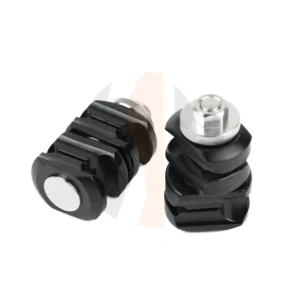
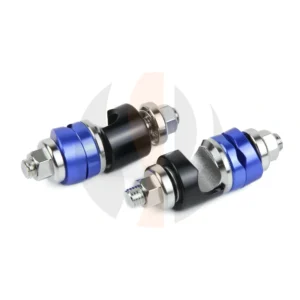
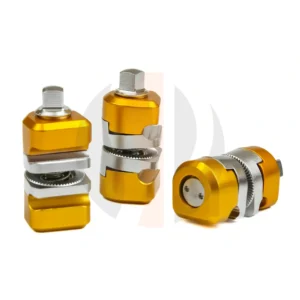
The 5–6 mm designation in the pin-to-rod coupling refers to the pin interface. It should not be interpreted as a 6 mm rod connection.
For replacement orders, provide the existing system identification. Matching nominal diameters alone does not establish compatibility.
Using External Fixation Images
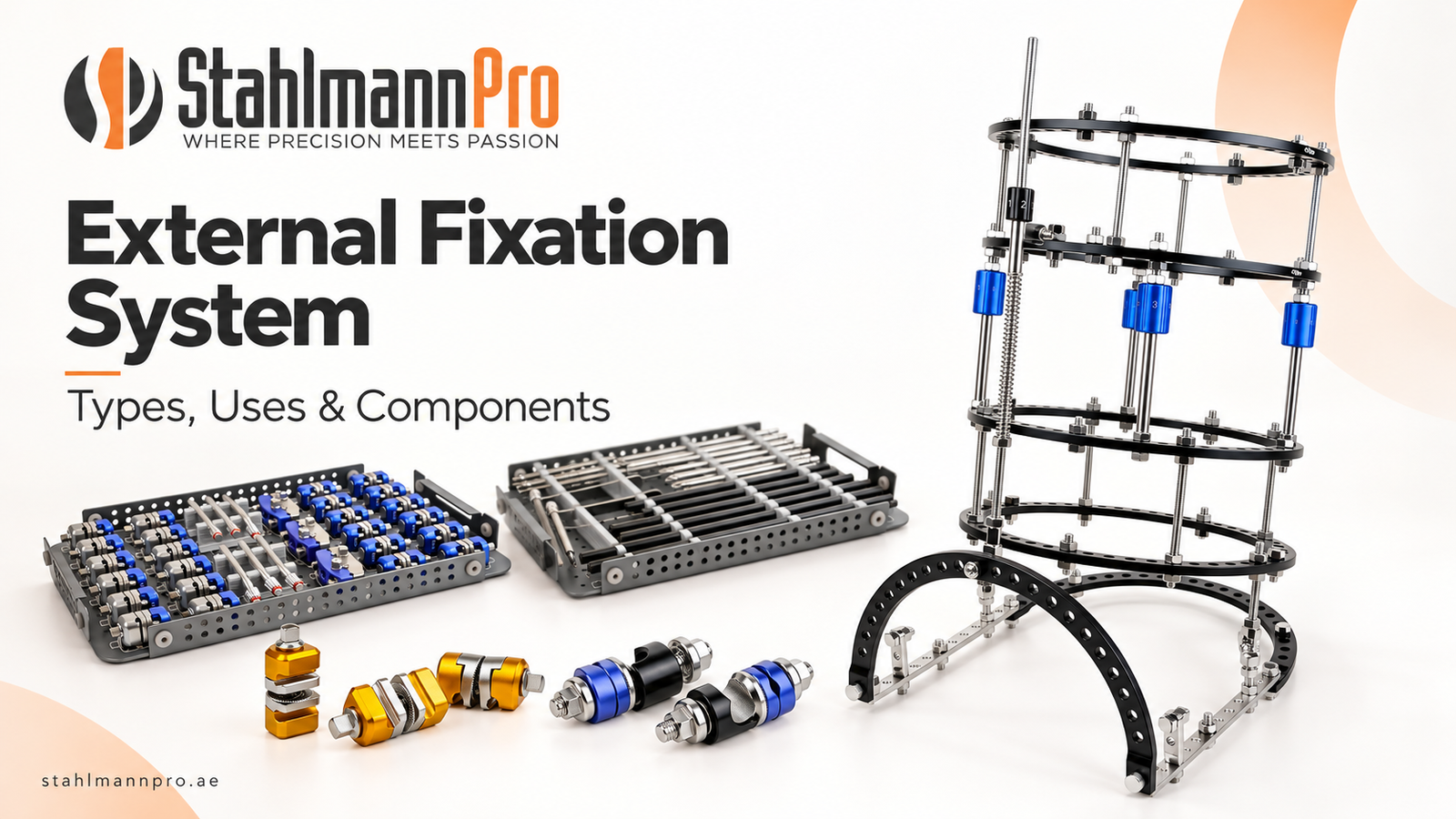
External fixation images help readers distinguish frames, instruments and connecting components. Complete-frame photographs provide context, while close-up images help identify individual parts.
For purchasing, images should accompany written specifications. They cannot establish material grade, sterile status, MRI conditions or permitted component combinations.
A promotional feature image may show several products together. It should be understood as a range overview rather than a representation of one supplied package.
Use descriptive captions that identify the products actually shown. Avoid adding performance or compatibility claims that cannot be established from the image.
How to Compare External Fixation Systems Before Buying
Begin with a defined requirement. Comparing broad product names makes it difficult to determine whether two quotations cover equivalent contents.
Check:
- The specified frame and component configuration.
- Available dimensions and quantities.
- Instrument requirements.
- Replacement component identification.
- Applicable product documentation.
- Packaging and supplied condition.
- What is included and excluded.
Keep unanswered questions on the purchasing review list. For example, if an instrument is pictured but absent from the inventory, request clarification.
This process supports a more useful comparison than choosing by appearance or total price alone.
External Fixation System Price and Buying Enquiries
An external fixation system price depends on the purchasing scope. A complete set, instrument tray and individual coupling represent different requirements.
When comparing prices, use the same itemized component list. Confirm quantities, dimensions, instruments and accessories.
Looking to buy an external fixation system or order external fixator components? Provide the required configuration, quantities and destination when requesting information.
For an external fixator quotation, identify whether the enquiry concerns a new set or replacement stock. Ask for current availability and the terms applicable to that order. Do not assume that a website photograph establishes what a quoted package contains.
Procurement for Africa and Latin America
Hospitals and orthopedic distributors in Africa and Latin America should include the destination country when preparing an enquiry. Purchasing and documentation requirements can differ between markets.
Provide the component list, quantities, requested labeling and any documents needed for purchasing review. Confirm destination-specific requirements with the relevant local parties.
For distributor stock planning, separate complete sets from individual replacement items. Maintain clear descriptions so future enquiries can identify the same components.
A quotation request is also an opportunity to resolve documentation questions before ordering. Product availability should not be treated as confirmation of authorization in every destination market.
Frequently Asked Questions
What is an external fixation system used for?
It supports bone stabilization through attachments connected to an external frame. Its role depends on the treatment plan and selected device.
What are the three types of external fixators?
Monolateral, circular and hybrid are commonly described categories. Some references group systems primarily into monolateral and circular designs.
What is the difference between ORIF and external fixation?
ORIF uses open fracture reduction and internal implants. External fixation connects bone to a frame outside the body.
What are the different external fixation methods?
Methods include temporary stabilization, definitive fixation and selected reconstructive applications. Treatment purpose differs from structural frame classification.
Is external fixator removal painful?
It can cause discomfort or pain. The treating team plans the removal setting and pain-control approach.
How long can an external fixator stay on?
Duration depends on the treatment objective and progress. Removal requires assessment rather than a universal number of weeks.
What is the most serious disadvantage of an external fixator?
Infection is a major concern, particularly if it spreads deeper. Other complications may also be serious in individual cases.
Can patients walk with an external fixator?
Permitted weight-bearing depends on the injury, construct and treatment plan. Follow the treating team’s instructions.
Are all external fixation components compatible?
No universal compatibility should be assumed. Confirm the exact system, interfaces, dimensions and approved component combinations.
Are instruments included with a fixation set?
Check the itemized quotation. Product names and photographs do not confirm the complete supplied contents.
How can buyers request external fixation system pricing?
Send the system name, component dimensions, quantities, instrument requirements and destination. Request an itemized quotation for review.
Request Product Specifications and a Quotation
Stahlmann Pro welcomes enquiries from hospitals, orthopedic distributors and procurement teams in Africa and Latin America.
Contact Stahlmann Pro to request external fixation product specifications, current availability and an itemized quotation.
Email: info@stahlmannpro.ae
Phone / WhatsApp: +971 50 975 0822
This article provides general education. Treatment, rehabilitation and removal decisions require assessment by the treating orthopedic team.
