
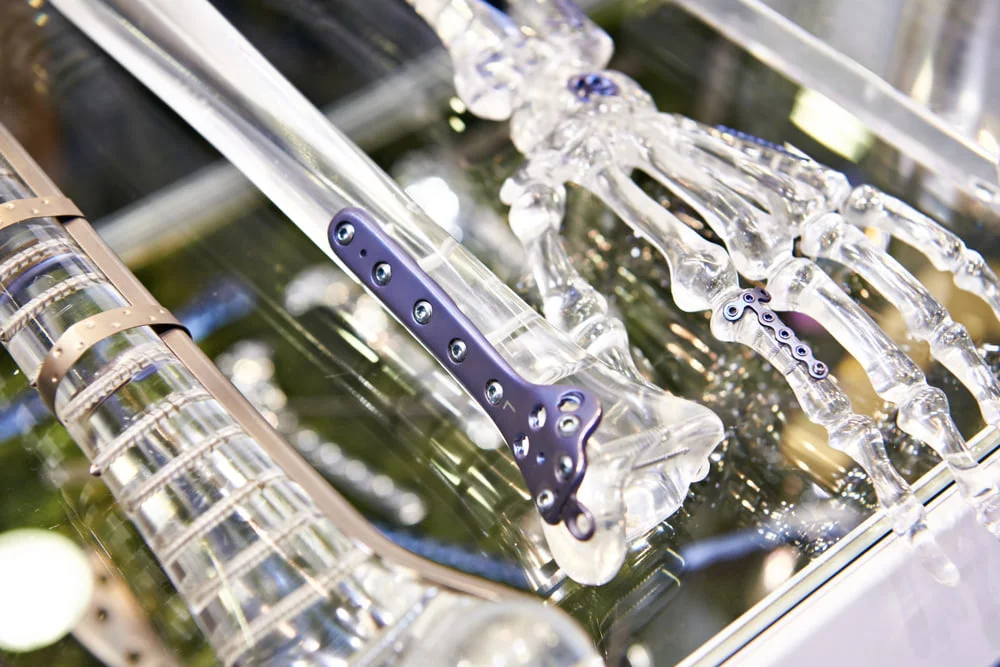
Strong and safe orthopedic trauma implants are key for bone care and repair. These tools help fix breaks, align bones, and aid fast healing. In every surgery, trauma implants act as the link between skill and safety. The right use of orthopedic implants ensures that bones heal in the best shape and time. Modern orthopedic surgical implants are made to fit well in the body. Each part serves a clear role in bone care. From plates to nails, these trauma orthopedic instruments help the bone regain its true form. A good tool means less pain, fast healing, and more trust in care.
 What Are Orthopedic Trauma Implants?
 What Are Orthopedic Trauma Implants?
Orthopedic trauma implants are tools that fix or hold broken bones in place. They act as inner aids for bone repair. The main types are plates, screws, rods, and nails. These are made to stay firm till the bone grows strong again. Most orthopedic fixation devices are made from steel or titanium. They resist rust, give great hold, and are safe for the body. These orthopedic plates and screws stay in place till the bone joins. Some are later removed once the bone is fine, while others stay for life.
These tools are used in both small and large bone cases. From a small finger crack to a leg break, the right trauma implants make a huge change. Every doctor relies on top tools to ensure full and clean bone repair.
Types of Orthopedic Trauma Implants
Many forms of orthopedic surgical implants are used based on the type of bone and injury. Each tool has a job, size, and use plan. Let’s explore the main kinds.
1. Plates and Screws
Plates and screws are key orthopedic fixation devices for bone hold. These are used to join bone parts and keep them in line. Plates sit on the bone, while screws hold them tight. These orthopedic plates and screws come in many shapes and sizes. Hospitals use orthopedic locking plates for firm fix and safe heal. For strong joints, orthopedic screws and plates give both grip and support. Each one must fit the bone type for the best result.
2. Intramedullary Nails
These are rods placed inside long bones for deep hold. Such rods are also called trauma nail systems. They help fix bones in arms, legs, and thighs. The nail fits inside the bone and is held with screws on both ends. Doctors use internal fixation devices like these for clean and firm bone repair. They give high support with less harm to tissue. The right fit gives quick heal and low risk.
3. External Fixators
In some cases, bones need outer tools to hold shape. These are external fixation devices. They use rods and clamps that stay outside the body. These tools hold bone parts till they fuse well. External fixators are used in open wounds or large breaks. These orthopedic trauma systems give time for the bone to heal before full repair. The setup looks large but gives quick and safe control of bone parts.
How Orthopedic Implants Help Healing
When bones break, they need time and support to heal right. The role of orthopedic trauma implants is to offer that support. These implants act like a bridge for broken bones. They keep bone ends still so the body can rebuild tissue. Orthopedic fixation devices ensure that new bone cells grow in the right way. The use of trauma orthopedic instruments lowers pain and shortens healing time. Clean and sharp tools also stop harm to skin and muscle. Doctors pick tools based on the type of bone, age, and break line. A good fit ensures that the bone gains its full strength again. High-skill use of orthopedic surgical implants gives smooth and quick recovery.
Materials Used in Orthopedic Implants
The strength of any implant depends on its material. The two most used ones are stainless steel trauma implants and titanium orthopedic implants. Steel is strong and cheap. It gives great support and is safe for short-term use. Titanium is light, rust-free, and fits well with body cells. Both types meet top health norms. In modern labs, orthopedic implant manufacturers test each piece for clean and safe use. These tools are made to last long and stay firm. A smooth finish helps reduce tissue harm and makes surgery safer.
Choosing the Right Orthopedic Implants
Hospitals and clinics must choose high-quality orthopedic implants for the best care. The choice depends on the type of bone, age, and health of the patient. Always buy from trusted orthopedic implant suppliers who follow world care norms. Look for ISO or CE mark tools to ensure full safety. A low-cost tool that fails can harm both the bone and the trust of the patient. When buying reconstructive orthopedic implants, make sure they are sterile and fit well. Each tool must pass a strict test before use. The shape, size, and hold strength all play a key role. Doctors should also have full sets of surgical trauma instruments and orthopedic trauma surgery tools. These make each step safe, clean, and quick. The right kit ensures no delay during the process.
Role of Orthopedic Implant Manufacturers
The work of orthopedic implant manufacturers is vital in modern care. They design and craft tools that meet high care norms. They test each batch for grip, strength, and safety. Modern tech has helped make more accurate and light orthopedic fixation devices. Many brands now use 3D design for better fit and hold. A small flaw in design can harm bone fix or slow healing. That is why only trained and licensed firms should make trauma implants. The use of smart design and pure metal makes each piece safe. The result is a clean surgery and a quick heal for the patient.
Advances in Orthopedic Trauma Systems
New orthopedic trauma systems have changed the way doctors treat bone breaks. With new tools, less cuts and pain are needed. The use of mini plates, thin rods, and smart locks helps save time. Trauma surgery equipment now gives both strong grip and smooth use. The new tools also cut the risk of joint harm. Doctors can work with better view and control. Modern orthopedic surgical implants are more body-friendly. They blend with bone tissue and help fast heal. These tools show how tech and care now move hand in hand.
Benefits of Using Orthopedic Trauma Implants
There are many gains of using top orthopedic trauma implants. They help reduce pain, improve bone hold, and cut healing time. Patients can move sooner and gain full use of the limb. These tools lower the risk of misaligned healing. With the right orthopedic plates and screws, bones heal in the right line. For long-term safety, internal fixation devices keep the bone strong even under load. The result is safe, stable, and lasting care. Using tested orthopedic implant suppliers ensures every tool meets global norms. Good tools build trust and raise success rates in every bone case.
Conclusion
Strong, safe, and clean orthopedic trauma implants are key to modern bone care. Each tool from plates to rods plays a vital part in full healing. The right orthopedic fixation devices not only aid the doctor but also speed the patient’s recovery. Hospitals must work with trusted orthopedic implant manufacturers and tested orthopedic implant suppliers like stahlmannpro to ensure top care and lasting trust. Always choose tools that meet strict norms and offer safe use.
Choose high-grade implants today and give your patients the care they truly deserve.
