
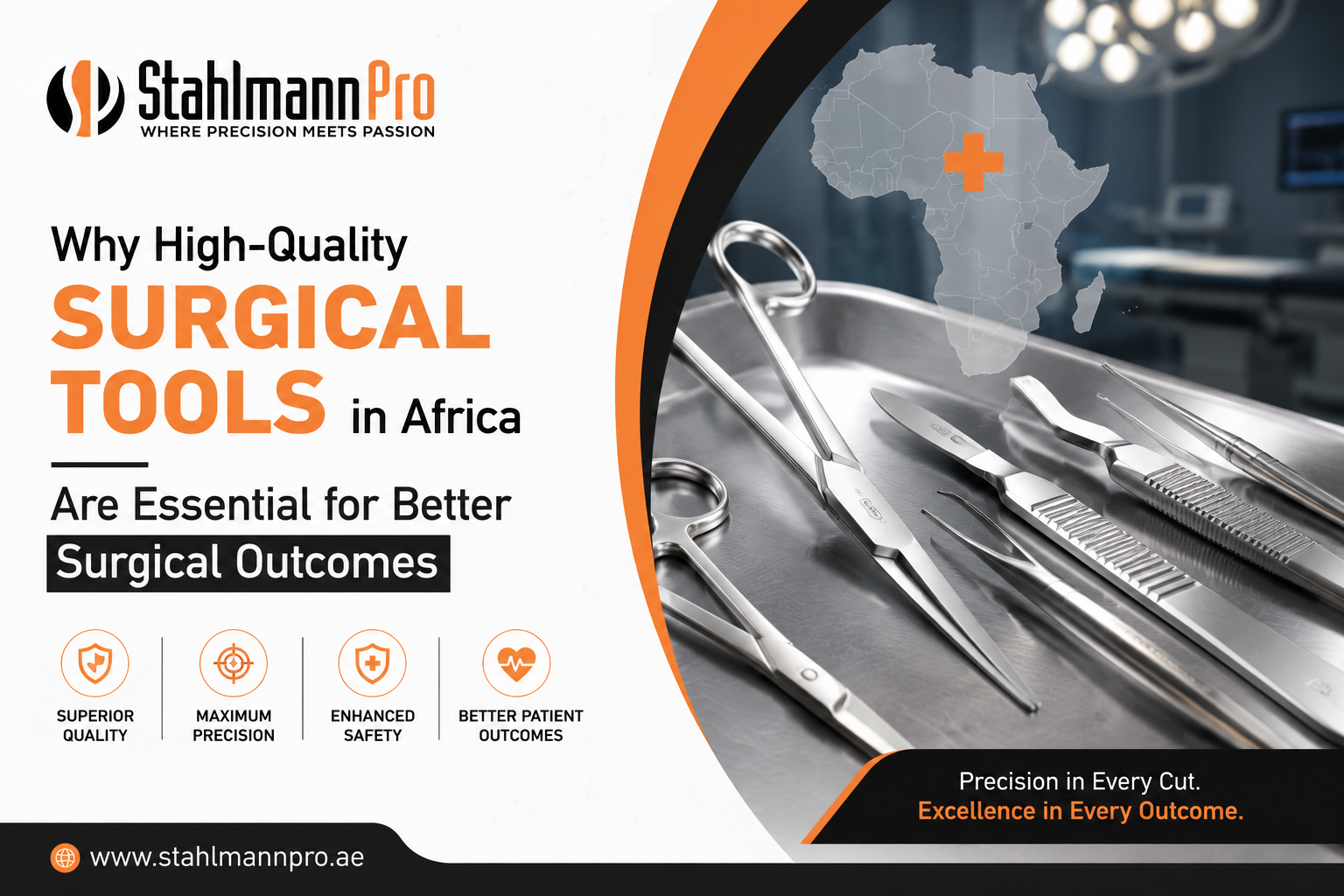
Healthcare systems across Africa continue to evolve, with hospitals, surgical centers, and healthcare providers investing in modern technologies and improved medical practices. One of the most critical factors influencing successful surgical procedures is the quality of the instruments used during an operation. High-quality surgical tools are not merely medical equipment—they are precision instruments that directly impact patient safety, surgical efficiency, infection control, and long-term healthcare outcomes.
As the demand for advanced healthcare services increases across the continent, surgeons and healthcare facilities are recognizing the importance of sourcing reliable, durable, and internationally compliant surgical instruments. Whether performing routine procedures or highly specialized surgeries, using premium-quality surgical tools significantly improves accuracy, minimizes complications, and supports better patient recovery.
The Importance of High-Quality Surgical Tools in Africa
Every surgical procedure depends on the precision and reliability of the instruments being used. Even the most experienced surgeons require tools that deliver consistent performance under demanding conditions.
High-quality surgical tools are manufactured using premium medical-grade stainless steel and undergo strict quality inspections to ensure they meet international standards. These instruments maintain their sharpness, structural integrity, and functionality over repeated sterilization cycles, making them a dependable choice for hospitals and healthcare institutions.
In many African healthcare facilities where resources must be carefully managed, investing in durable surgical instruments helps reduce replacement costs while ensuring uninterrupted surgical services.
How Surgical Instrument Quality Affects Patient Outcomes
The quality of surgical instruments has a direct influence on the success of every surgical procedure. Poorly manufactured tools can increase surgical risks, delay procedures, and compromise patient safety.
Improved Surgical Precision
Modern surgical procedures require exceptional accuracy. Precision-crafted instruments enable surgeons to perform delicate procedures with greater confidence and control.
Sharp scissors provide clean tissue dissection, forceps offer secure tissue handling, and precision needle holders improve suturing accuracy. These factors collectively contribute to more successful operations and reduced trauma to surrounding tissues.
Reduced Risk of Surgical Complications
Inferior surgical instruments may become dull, corrode over time, or fail during procedures. Such issues can increase operating time and raise the likelihood of complications.
High-quality surgical tools are engineered for reliability, allowing healthcare professionals to perform procedures smoothly while minimizing unexpected equipment failures.
Better Infection Prevention
Patient safety depends heavily on effective sterilization. Premium surgical instruments are designed with smooth surfaces and corrosion-resistant materials that withstand repeated sterilization without degrading.
These features help maintain proper hygiene standards while reducing the possibility of cross-contamination and healthcare-associated infections.
Faster Patient Recovery
When surgeons use precise and reliable instruments, tissue damage is minimized, leading to reduced bleeding, smaller incisions where appropriate, and improved wound healing.
Patients often experience shorter recovery times, fewer complications, and greater overall satisfaction with their surgical treatment.
Challenges Facing Surgical Healthcare in Africa
Many healthcare facilities across Africa continue working to overcome challenges related to infrastructure, medical equipment availability, and growing patient demand.
Common challenges include:
- Limited access to premium surgical instruments
- Budget constraints within public healthcare facilities
- Inconsistent supply chains
- High maintenance costs for low-quality equipment
- Growing need for specialized surgical procedures
These challenges make it even more important for hospitals to invest in long-lasting, internationally certified surgical tools that provide reliable performance over many years.
Characteristics of High-Quality Surgical Tools
Not all surgical instruments offer the same level of quality. Healthcare providers should evaluate several important characteristics before purchasing surgical equipment.
Premium Medical-Grade Materials
The best surgical instruments are manufactured using high-grade stainless steel that resists corrosion and maintains its strength after repeated sterilization.
Precision Engineering
Accurate manufacturing ensures each instrument performs consistently throughout complex surgical procedures. Proper alignment, balanced handling, and sharp cutting edges contribute to better surgical performance.
Excellent Durability
High-quality instruments retain their functionality despite continuous use in demanding operating environments. This durability reduces long-term replacement costs and improves operational efficiency.
International Manufacturing Standards
Healthcare providers should prioritize manufacturers that comply with internationally recognized quality management systems and medical device standards. These certifications demonstrate commitment to product safety, consistency, and performance.
Benefits of Investing in Premium Surgical Instruments
Although premium surgical tools may require a higher initial investment, they provide substantial long-term benefits for hospitals and healthcare organizations.
Lower Long-Term Costs
Durable instruments require fewer replacements, reducing procurement expenses over time while minimizing disruptions during surgical procedures.
Greater Surgeon Confidence
Reliable surgical tools allow surgeons to focus entirely on patient care without worrying about equipment performance or instrument failure.
Improved Hospital Reputation
Healthcare facilities known for using high-quality surgical equipment often build stronger patient trust and professional credibility.
Positive surgical outcomes contribute to better patient satisfaction and encourage continued confidence in healthcare providers.
Increased Operational Efficiency
Reliable instruments reduce procedure delays caused by equipment malfunction or replacement, allowing operating rooms to function more efficiently and serve more patients.
Essential Surgical Instruments Used Across African Healthcare Facilities
Hospitals and surgical centers rely on a wide range of instruments for various specialties.
Some of the most commonly used surgical tools include:
- Surgical scissors
- Artery forceps
- Tissue forceps
- Dressing forceps
- Needle holders
- Scalpel handles
- Retractors
- Hemostatic forceps
- Bone surgery instruments
- Orthopedic instruments
- Gynecology instruments
- General surgery instrument sets
Each instrument plays a specific role in improving surgical precision and patient safety.
Choosing the Right Surgical Instrument Supplier
Selecting a trusted supplier is equally important as choosing the right instruments.
Healthcare facilities should consider suppliers that offer:
Proven Manufacturing Experience
Manufacturers with years of experience generally maintain higher production standards and better quality assurance processes.
Comprehensive Product Range
A reliable supplier should provide instruments for multiple surgical specialties, ensuring healthcare facilities can source all necessary equipment from one trusted partner.
Quality Certifications
Always verify that products comply with recognized international quality standards before making purchasing decisions.
Reliable Customer Support
Strong after-sales service, technical assistance, and responsive communication help healthcare providers maintain uninterrupted surgical operations.
The Future of Surgical Tools in Africa
Africa’s healthcare sector continues to invest in modernization, advanced medical technologies, and improved patient care. Governments, private hospitals, and healthcare organizations are increasingly recognizing the importance of high-quality surgical equipment in strengthening healthcare systems.
As surgical demand continues to grow, healthcare providers that invest in durable, precision-engineered instruments will be better positioned to deliver safer procedures, improve patient outcomes, and reduce long-term operational costs.
The future of surgery in Africa depends not only on skilled medical professionals but also on the quality, reliability, and performance of the surgical tools they use every day.
Conclusion
High-quality surgical tools are fundamental to achieving safer surgeries, improved patient recovery, and greater operational efficiency across African healthcare facilities. From enhancing surgical precision and infection control to reducing long-term costs, premium surgical instruments provide measurable benefits for both healthcare providers and patients.
As hospitals and clinics continue expanding their surgical capabilities, partnering with trusted manufacturers that prioritize quality, durability, and international standards will remain essential. Investing in superior surgical tools is ultimately an investment in better healthcare outcomes, stronger medical systems, and healthier communities throughout Africa.
Frequently Asked Questions
Why are high-quality surgical tools important in Africa?
High-quality surgical tools improve surgical precision, reduce complications, enhance infection control, and contribute to better patient recovery while offering long-term value for healthcare facilities.
What materials are used in premium surgical instruments?
Most premium surgical instruments are manufactured from high-grade medical stainless steel, providing excellent corrosion resistance, durability, and compatibility with repeated sterilization.
How do quality surgical instruments improve patient safety?
Reliable instruments allow surgeons to perform procedures with greater accuracy, minimize tissue damage, lower infection risks, and reduce the likelihood of equipment-related complications.
What should hospitals consider when purchasing surgical instruments?
Hospitals should evaluate material quality, manufacturing precision, durability, international certifications, warranty support, and the supplier’s reputation before making purchasing decisions.
Are premium surgical tools worth the investment?
Yes. Although they may have a higher upfront cost, premium instruments typically last longer, require fewer replacements, improve surgical efficiency, and reduce maintenance expenses over time.
How often should surgical instruments be inspected?
Healthcare facilities should inspect surgical instruments after cleaning and before each procedure to identify signs of wear, corrosion, misalignment, or damage that could affect performance or patient safety.
