
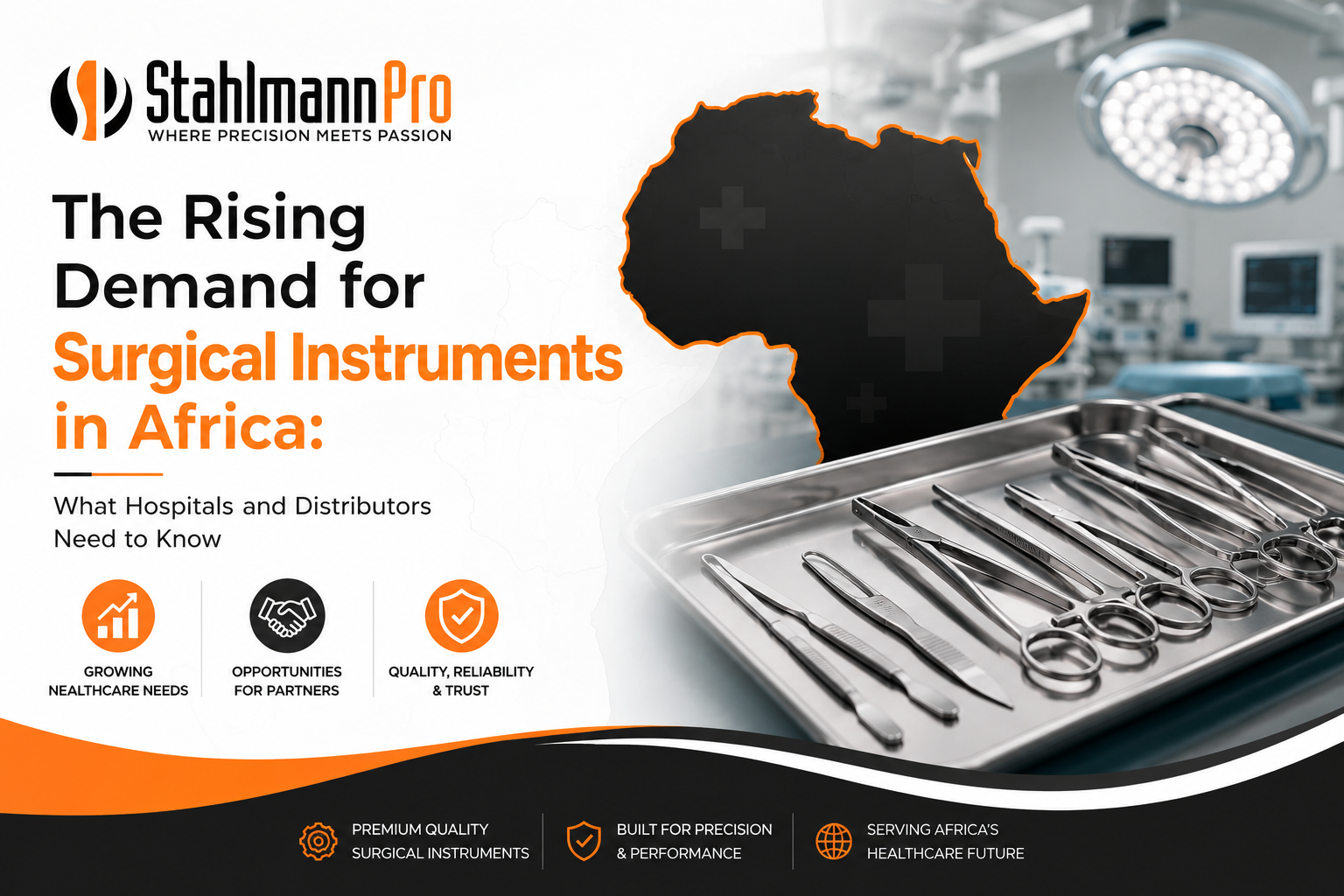
The healthcare landscape across Africa is undergoing rapid transformation, driven by population growth, expanding healthcare infrastructure, and increasing investment in medical services. One of the most critical areas experiencing significant growth is the demand for surgical instruments in Africa. Hospitals, clinics, and medical distributors are now facing new opportunities—and challenges—in ensuring the availability of high-quality surgical tools that meet global standards.
Understanding this rising demand is essential for healthcare providers, procurement managers, and medical suppliers who want to stay competitive in this evolving market.
Why the Demand for Surgical Instruments in Africa Is Increasing
Growing Population and Healthcare Needs
Africa has one of the fastest-growing populations in the world. As population increases, so does the need for surgical procedures, emergency care, and specialized treatments. This naturally increases demand for surgical instruments used in hospitals, operating rooms, and emergency units.
Expansion of Healthcare Infrastructure
Many African countries are investing heavily in healthcare infrastructure. New hospitals, surgical centers, and diagnostic facilities are being built to improve access to medical care. Each new facility requires a complete set of surgical instruments, from basic scalpels to advanced orthopedic and cardiovascular tools.
Rising Prevalence of Chronic Diseases
Diseases such as diabetes, cardiovascular conditions, and cancer are on the rise across Africa. These conditions often require surgical intervention, increasing the need for reliable and precise surgical instruments.
Government and NGO Support
International health organizations and government initiatives are working to improve healthcare systems in Africa. Programs focused on maternal health, trauma care, and infectious disease control are further driving demand for surgical equipment.
Key Types of Surgical Instruments in High Demand
General Surgery Instruments
General surgery tools like scalpels, forceps, scissors, clamps, and retractors are in constant demand across hospitals. These instruments are essential for routine surgical procedures.
Orthopedic Surgical Instruments
With increasing road accidents and bone-related conditions, orthopedic tools such as bone saws, drills, and fixation devices are highly needed in African hospitals.
Gynecology and Obstetrics Instruments
Maternal healthcare is a major focus in many African countries. Instruments used in childbirth, cesarean sections, and gynecological procedures are essential in reducing maternal mortality rates.
Diagnostic and Minimally Invasive Tools
There is a growing shift toward minimally invasive surgeries. This has increased demand for laparoscopic instruments, endoscopic tools, and advanced diagnostic equipment.
Challenges in the African Surgical Instruments Market
Supply Chain Limitations
One of the biggest challenges is inconsistent supply chains. Many regions face delays in importing surgical instruments due to logistics, customs regulations, and infrastructure limitations.
Quality Concerns
Not all surgical instruments available in the market meet international quality standards. Hospitals must be cautious when selecting suppliers to avoid low-quality or counterfeit products.
Cost Constraints
Budget limitations in public healthcare systems often make it difficult to procure advanced surgical instruments. This creates a gap between demand and affordability.
Lack of Skilled Procurement Systems
In some regions, hospitals lack trained procurement professionals who can evaluate and source high-quality surgical tools efficiently.
Opportunities for Distributors and Manufacturers
Expanding Market Potential
The demand for surgical instruments in Africa presents a major growth opportunity for global manufacturers and distributors. Companies that can offer affordable, high-quality products are well-positioned for long-term success.
Local Partnerships
Partnering with local distributors and healthcare suppliers can help international companies overcome logistical challenges and improve market reach.
Focus on Training and Education
Providing training on the proper use and maintenance of surgical instruments can build trust and long-term relationships with hospitals and clinics.
Digital Procurement Platforms
Online medical supply platforms are making it easier for hospitals to source surgical instruments directly from verified suppliers, improving transparency and efficiency.
The Future of Surgical Instruments Market in Africa
The future looks promising for the surgical instruments industry in Africa. With continued investment in healthcare systems, digital transformation, and international collaboration, the market is expected to grow steadily over the next decade.
We will likely see:
- Increased adoption of advanced surgical technologies
- Greater emphasis on quality standards and certifications
- Expansion of local manufacturing units
- Improved procurement transparency through digital systems
Conclusion
The rising demand for surgical instruments in Africa is a reflection of the continent’s evolving healthcare system. While challenges such as supply chain issues and cost constraints remain, the opportunities for growth are significant. Hospitals, distributors, and manufacturers who focus on quality, reliability, and strategic partnerships will be best positioned to succeed in this expanding market.
FAQs
1. Why is the demand for surgical instruments increasing in Africa?
The demand is rising due to population growth, expanding healthcare infrastructure, and an increase in surgical procedures caused by chronic diseases and accidents.
2. Which surgical instruments are most commonly used in African hospitals?
General surgery tools, orthopedic instruments, gynecology sets, and minimally invasive surgical tools are among the most in-demand.
3. What are the main challenges in supplying surgical instruments in Africa?
Challenges include supply chain issues, high costs, quality control concerns, and limited procurement expertise in some regions.
4. Are there opportunities for international suppliers in Africa?
Yes, Africa offers significant opportunities for global manufacturers and distributors due to the growing healthcare sector and increasing demand for quality instruments.
5. How can hospitals ensure they buy high-quality surgical instruments?
Hospitals should work with certified suppliers, check international quality standards, and prefer trusted distributors with verified track records.
