WHX Miami 2026 "June 17–19, 2026 Miami Beach Convention Center, USA"
EUROSPINE 2026 "October 7–9, 2026 Gothia Towers & Svenska Mässan, Gothenburg, Sweden"
MEDICA 2026 "November 16–19, 2026 Messe Düsseldorf, Germany"
WHX Dubai 2027 "January 25–28, 2027 Dubai Exhibition Centre, UAE"
AAOS 2027 "March 3–6, 2027 Venetian Convention & Expo Center, Las Vegas, Nevada, USA"

WHX Miami 2026 "June 17–19, 2026 Miami Beach Convention Center, USA"
EUROSPINE 2026 "October 7–9, 2026 Gothia Towers & Svenska Mässan, Gothenburg, Sweden"
MEDICA 2026 "November 16–19, 2026 Messe Düsseldorf, Germany"
WHX Dubai 2027 "January 25–28, 2027 Dubai Exhibition Centre, UAE"
AAOS 2027 "March 3–6, 2027 Venetian Convention & Expo Center, Las Vegas, Nevada, USA"
Specifications
Indications for use
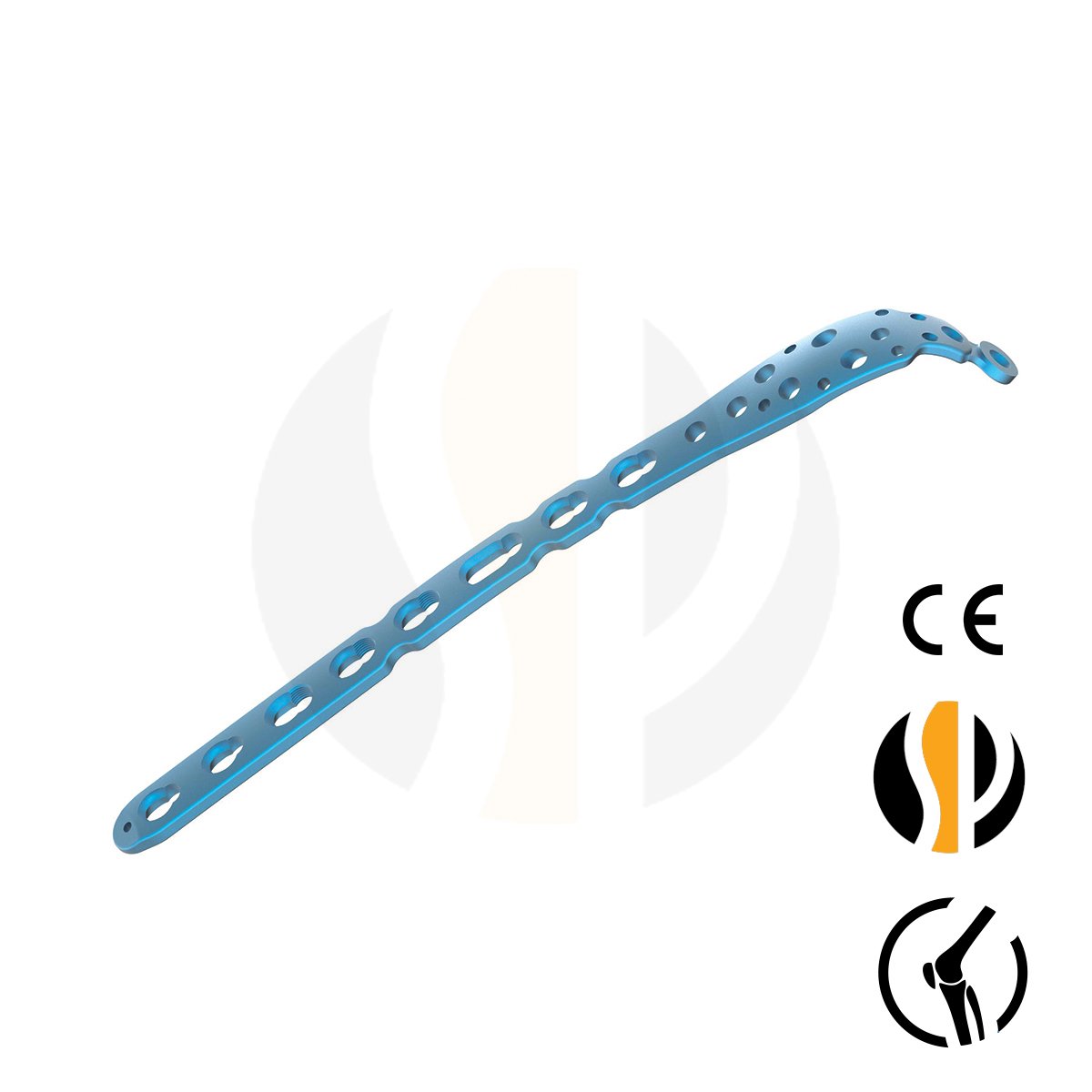
Clavicle Locking Plate is used to fix fractures treatments and non-unions of the clavicle.
Specifications
Indications for use
Clavicle Locking Plate is used to fix fractures treatments and non-unions of the clavicle.
| Holes | Right Stainless Steel | Right Titanium | Left Stainless Steel | Left Titanium |
| 3 Small | 2-156-03R | 2-156-03R-Ti | 2-156-03L | 2-156-03L-Ti |
| 4 Medium | 2-156-04R | 2-156-04R-Ti | 2-156-04L | 2-156-04L-Ti |
| 6 Large | 2-156-06R | 2-156-06R-Ti | 2-156-06L | 2-156-06L-Ti |
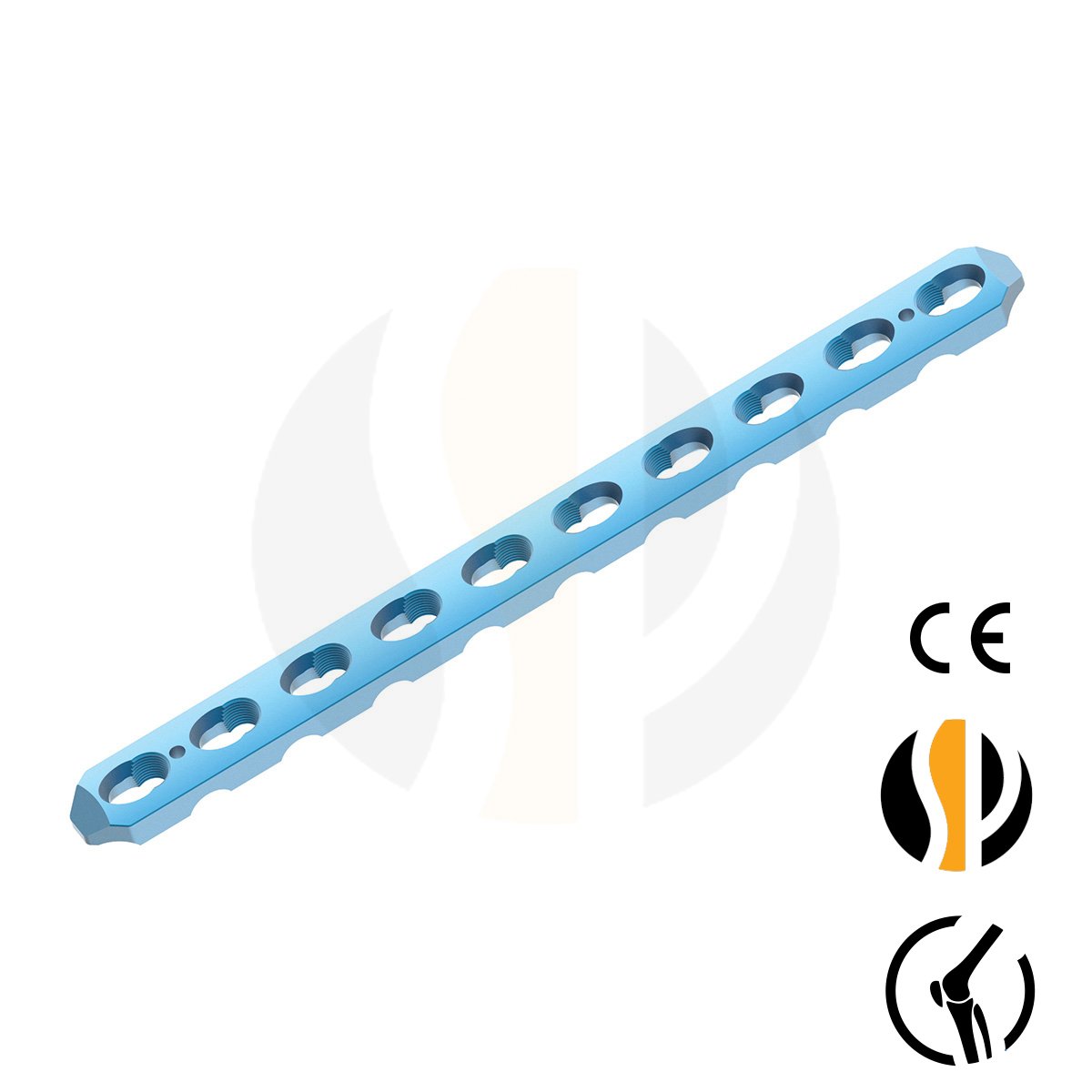
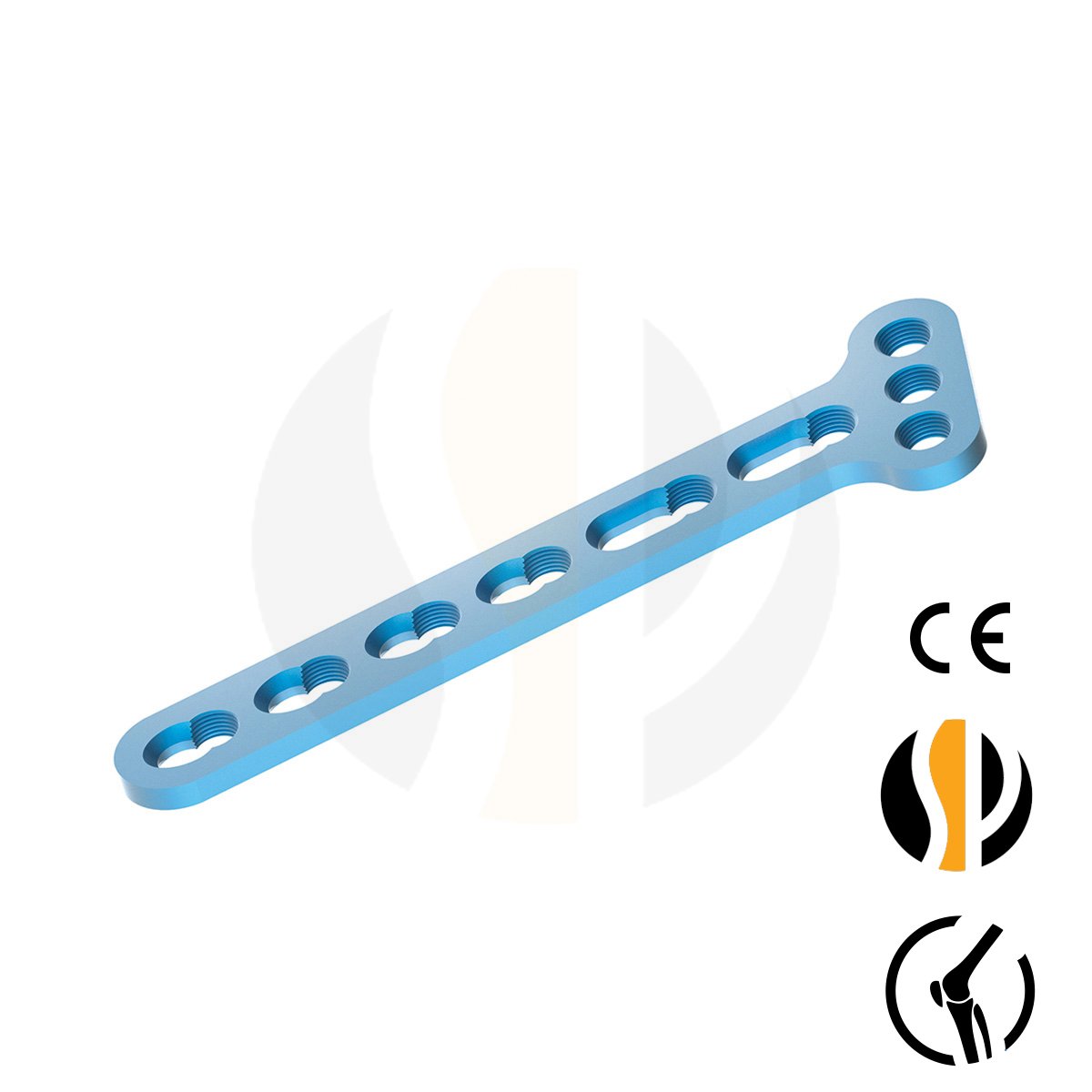
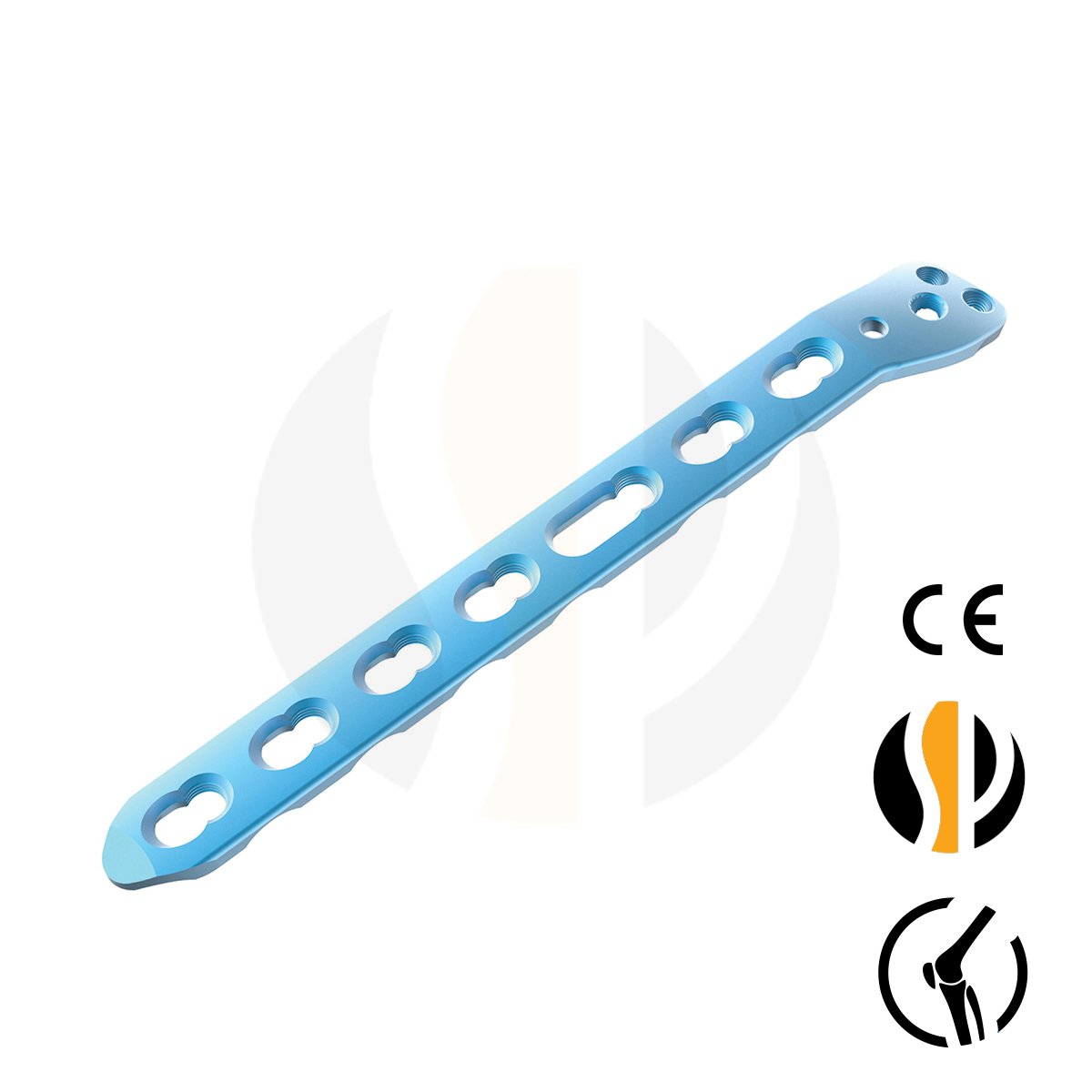
A 3.5mm Locking S Clavicle Plate is an orthopedic fixation plate designed to help stabilize clavicle fractures. Its locking screw compatibility can provide secure fixation and support bone healing.
The plate may be suitable for selected clavicle fractures where stable internal fixation is required. The appropriate plate configuration depends on the fracture location, pattern, and patient anatomy.
Locking plates can provide stable fixation by creating a fixed angle between the locking screws and plate. This can help maintain fracture alignment while supporting the healing process.
The plate is designed around a 3.5mm locking fixation system. Surgeons should verify the specific compatible screw specifications and instrumentation before use.
Plate selection should consider the patient’s anatomy, fracture pattern, bone quality, and required fixation method. A qualified orthopedic surgeon should determine the appropriate implant and surgical technique.